
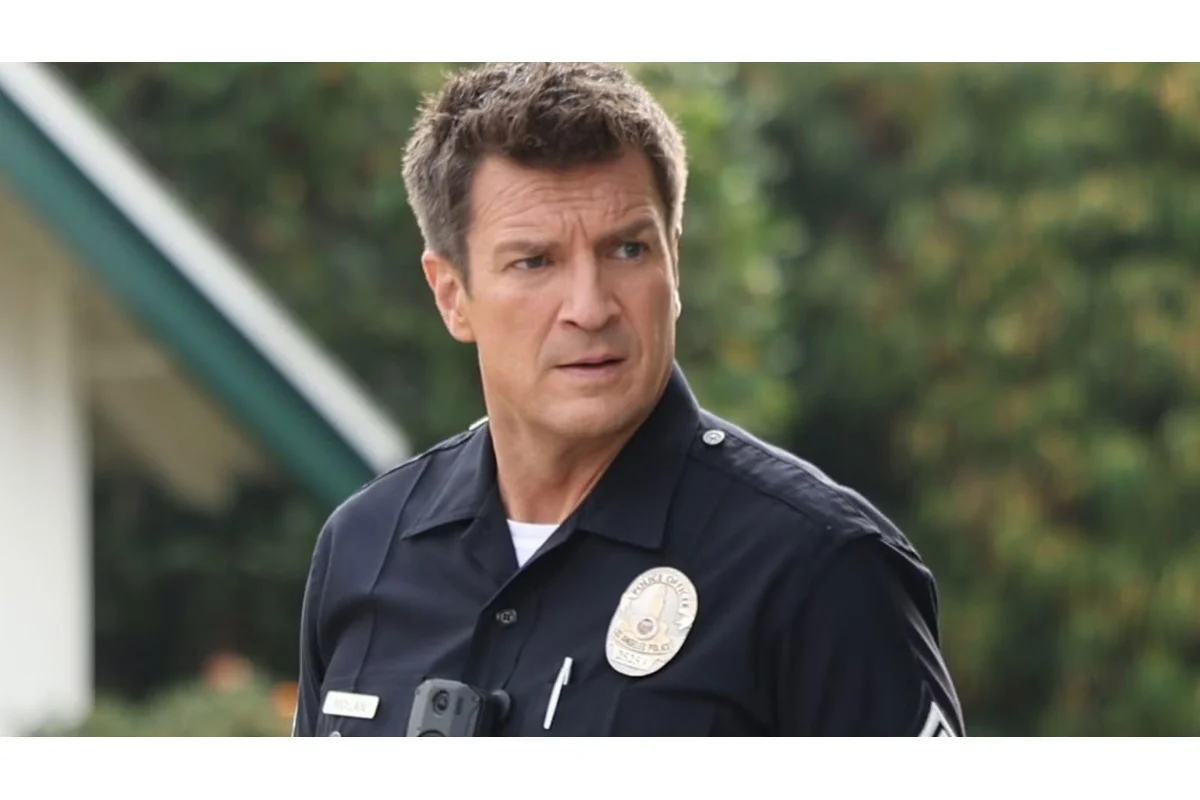
Clint Eastwood crime drama fans have long overlooked a significant film where legendary Western stars Clint Eastwood and Kevin Costner joined forces in a non-Western setting. Released in 1993, this collaboration resulted in a gripping narrative that stands as an underappreciated gem within their filmographies and the crime genre.
Transition from Western Icons to Crime Drama Innovators
Cinema’s lineage of Western greats began with John Wayne before Clint Eastwood emerged in the 1960s as a new face of the genre. By the early 1990s, Eastwood was moving away from Westerns after the immense success of Unforgiven. Stepping into the evolving Western landscape, Kevin Costner took over with his 1990 opus Dances With Wolves. While Costner quickly established himself as Eastwood’s heir in Westerns, their 1993 pairing marked a sharp turn into fresh territory with a project outside their traditional range.
A Perfect World: A Crime Drama Collaboration
In the 1993 film A Perfect World, Clint Eastwood and Kevin Costner broke from their Western personas to deliver a layered crime drama. Costner portrays Butch, an escaped convict who, in the process of fleeing, takes a young boy named Phillip hostage. Eastwood plays Red Garnett, chief of the Texas Rangers, whose complex history with Butch informs his pursuit. The two characters’ shared past—rooted in Red’s decision to hand down a heavy sentence for Butch’s teenage car theft—gives their relationship a nuanced edge, suggesting that Red now seeks some form of redemption through his efforts to capture Butch unharmed.
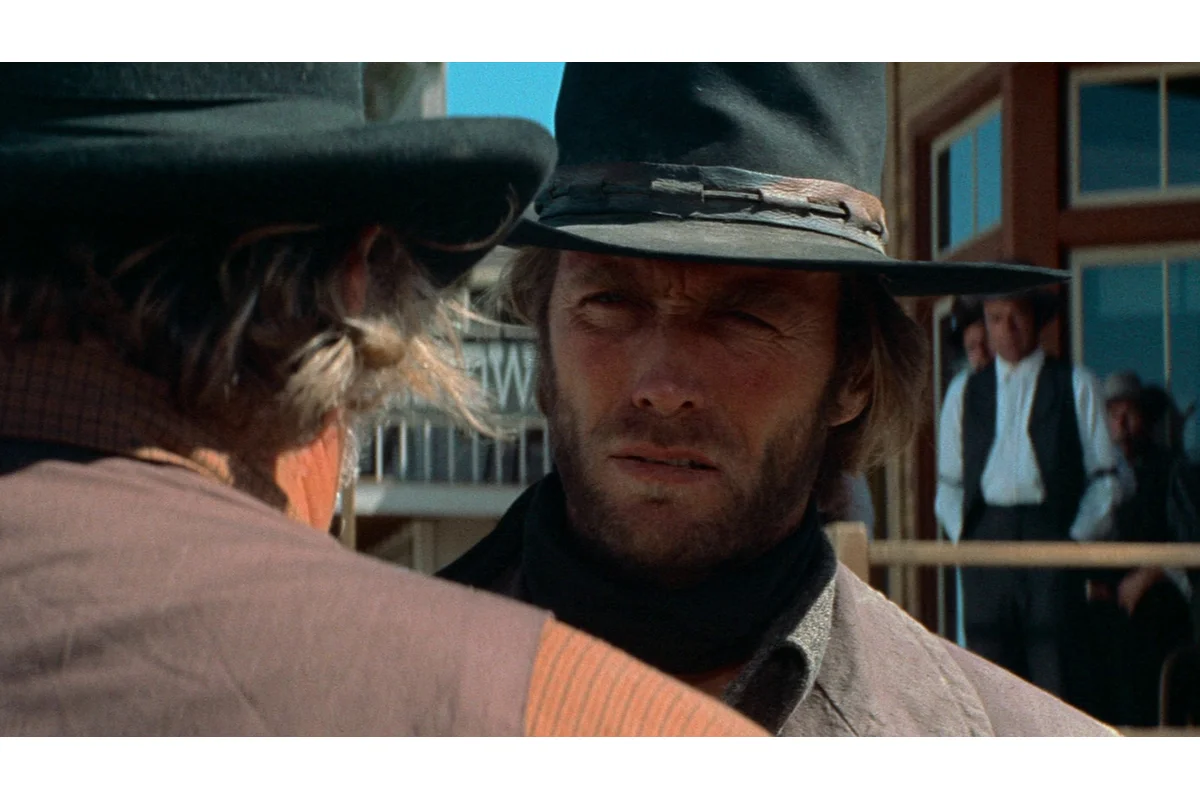
Critics responded with strong praise, spotlighting Eastwood’s skillful direction and Costner’s portrayal of Butch—the criminal whose captor-captive dynamic with Phillip evolves into the role of protector. Despite these accolades, A Perfect World underperformed at the box office, leaving it largely forgotten by mainstream audiences. Over the years, however, critics have revisited the film, hailing it as one of Eastwood’s most underrated directorial works. Notably, the film even outshone contemporaries like Schindler’s List and Jurassic Park in the eyes of Cahiers du Cinéma, which named it the best film of 1993.
How Script Revisions Secured Eastwood’s On-Screen Role
Initially, Clint Eastwood intended only to direct A Perfect World, with no plans to act in the project. The screenplay, penned by John Lee Hancock before his own directing career took off, was first offered to Steven Spielberg, who declined in favor of directing Jurassic Park. When Eastwood accepted the directorial role and cast Costner as Butch, Costner expressed a desire for Eastwood to also join the on-screen cast, believing the partnership would bolster the film’s impact.
Eastwood initially declined to play Red Garnett, prompting Costner to collaborate with Hancock and revise the script, expanding Red’s role and giving him deeper personal stakes in the story. This revision aimed to shed the image of Red as merely a standard law enforcer, developing his character’s motivations and sense of redemption. Producer Mark Johnson remarked,
changed so that he had some vested interest in being there.
Costner also influenced the script by enhancing Laura Dern’s character Sally, notably resulting in the line highlighting Red’s quest for redemption.
Eastwood eventually agreed to act alongside Costner after these changes, explaining his preferences in his own words:
I’d rather play that instead of playing a guy who comes in and says, ‘OK, I’ll just shoot him, partner!’ That’s pretty boring,
Eastwood said.
At this stage in my life, I’ve done all that. There are younger guys who can do that.
Costner’s initiative and collaboration were instrumental in convincing Eastwood to take on the challenging and emotionally complex role of Red Garnett.
Despite this strong creative partnership, both stars viewed the movie’s initial performance as disappointing. The creative risks and departures from their previous Western successes left expectations unmet at the time, contributing to the film’s undeserved obscurity in popular culture.
Costner’s Ongoing Journey as Eastwood’s Western Successor
The lackluster box office performance of A Perfect World meant that Kevin Costner’s ascent as a Western film icon was briefly delayed. Immediately following the film, Costner’s next major Western, Wyatt Earp, failed to outshine Tombstone in popularity or critical acclaim. Costner also encountered commercial failures in the years ahead, notably with high-budget projects like Waterworld in 1995 and The Postman in 1997.
However, Costner’s passion for the genre and perseverance paid off with his 2003 Western Open Range, which critics received warmly and which enjoyed modest commercial success. In the following decade, Costner carved out a major presence on television, starting with Hatfield’s & McCoys in 2012 and seeing further acclaim through his starring role in Yellowstone, launched in 2018. His ongoing commitment to the Western and adjacent genres is also visible in films like The Highwayman and the recent Horizon.
Costner’s journey signifies a passing of the torch: while he may never have matched the status of John Wayne or Clint Eastwood, his continued work across film and television has cemented his legacy as the modern representative of the Western hero archetype, developing his own approach while honoring the tradition established by his cinematic forebears.
Main Cast of A Perfect World
The essential cast for A Perfect World featured two marquee names, both demonstrating their range outside their traditional Western roles. Kevin Costner took on the challenging part of Butch, lending the criminal-turned-protector depth and authenticity. Alongside him, Clint Eastwood played Red Garnett, Texas Ranger chief, bringing gravitas and a conflicted sense of duty to the pursuit. The supporting cast, including Laura Dern as Sally, added valuable layers to the film’s psychological and emotional complexity, but it was the Costner-Eastwood dynamic that anchored the story.
The reappraisal of A Perfect World highlights the risk-taking and creative evolution present in the partnership between these two cinema legends. As time goes on, its recognition as a standout Clint Eastwood crime drama continues to grow, suggesting the film may ultimately earn the acclaim it long deserved, influencing future explorations of character-driven crime stories within and beyond the Western tradition.
