
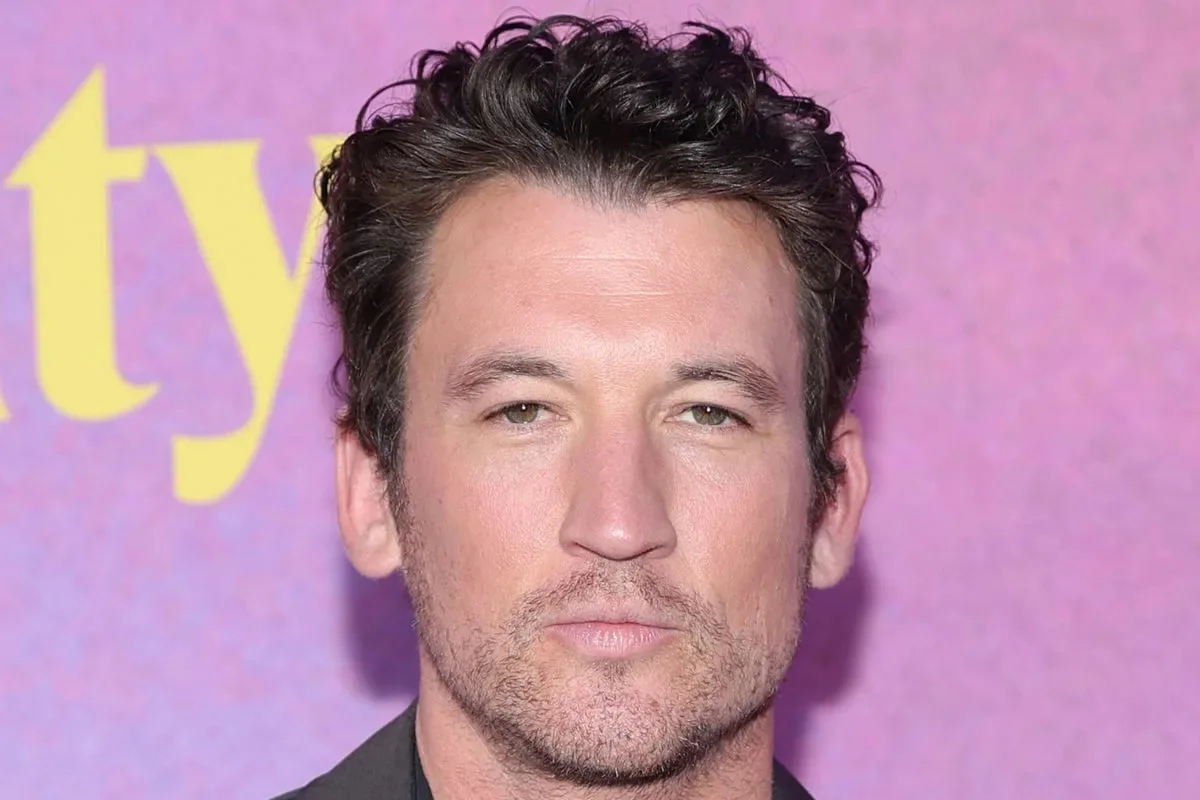
Miles Teller has finally addressed the troubles surrounding the 2015 “Fantastic Four” film, offering candid insight into what went wrong, during a recent conversation where he shared his perspective. Discussing Miles Teller Fantastic Four comments, he admitted realizing the film’s issues only after seeing the final product, which hinted at deeper production challenges and lasting consequences for those involved.
Background: From ‘Chronicle’ to the Superhero Mainstream
Director Josh Trank came to prominence after “Chronicle” in 2012, a film that introduced audiences to Michael B. Jordan and Dane DeHaan, and impressed viewers and critics with its fresh take on the superhero genre. After “Chronicle,” Trank was chosen to direct the new “Fantastic Four” adaptation, which generated high expectations among fans, who anticipated another unconventional approach to superheroes.
With other filmmakers like James Gunn and Matt Shakman recently reimagining superhero franchises, the appetite for stories that challenge conventions has only grown. At the time, however, viewers were open to new interpretations, though the final product of “Fantastic Four” left many, including critics and viewers, feeling disappointed.
Audience Reaction and The Film’s Disappointing Reception
Despite a few memorable moments, the overwhelming response to “Fantastic Four” was negative. Following a rare instance of youthful enthusiasm at the movie theater — a young boy ran up the aisle shouting a famous catchphrase — many left the screening bewildered and dissatisfied. The disappointment was palpable, reflecting how the film failed to meet even lowered expectations.

Miles Teller, one of the film’s leads, later revealed his doubts grew after viewing the finished movie, suggesting that significant problems had arisen during production. Teller recounted that red flags became obvious to him only after seeing the film for the first time and speaking with a studio head, where he confessed concerns about the direction the movie had taken.
Teller’s Honest Take on Superhero Expectations and Casting
Teller addressed the career implications for actors involved in superhero projects during that period, saying:
As a young actor at that time, it’s like, ‘Alright, if you want to be taken seriously as a leading man, you got to get on this superhero train.’ That was our chance,
— Miles Teller, Actor
He expressed an appreciation for the ensemble cast, which included Michael B. Jordan, Kate Mara, Jamie Bell, and Toby Kebbell, noting the group’s talent and chemistry.
And the casting, I thought, was spectacular. I love all those actors.
— Miles Teller, Actor
Who Was Responsible for the Film’s Problems?
Teller described the experience as being overshadowed by the actions of a significant individual whose decisions led to the troubled production. This assessment lines up with controversies that emerged at the time, especially reports describing a contentious relationship between director Josh Trank and the studio, 20th Century Fox.
While Fox suggested Trank was difficult and erratic, there were reports that the studio itself reshot large portions of the film without his involvement. The conflict over responsibility involved others as well. Simon Kinberg, credited as a writer and producer, reportedly played a major role during reshoots. However, it remains unclear whether Fox’s interventions, Trank’s direction, or Kinberg’s involvement most heavily contributed to the film’s final state.
Lasting Impact and Unanswered Questions
Speculation persists over whether Josh Trank’s original vision could have produced a better film, but the released “Fantastic Four” left audiences dissatisfied and critics unimpressed. Simon Kinberg, who later made his directorial debut with the poorly received “Dark Phoenix,” is a name often linked to creative salvage operations on troubled superhero films, though the extent of his responsibility is debated.
Despite the finger-pointing and shifting of blame among Fox, Trank, and Kinberg, Miles Teller has not explicitly named the individual he believes is responsible for the film’s failure. The question of who truly “ruined” “Fantastic Four” continues to spark discussion, highlighting the complex challenges of large-scale superhero productions and the risk faced by talented casts and crews when creative visions clash.
