
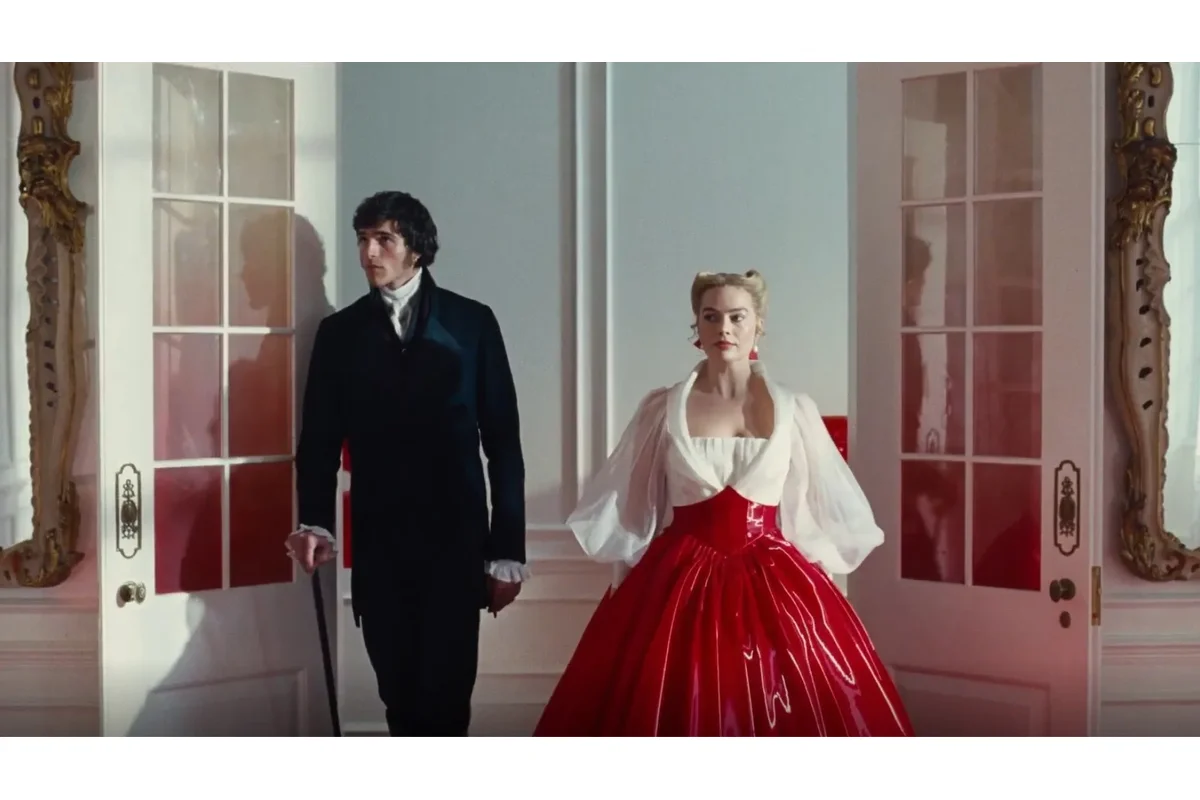
A fresh film adaptation of Emily Brontë’s “Wuthering Heights,” starring Margot Robbie and Jacob Elordi, has generated intense discussion, not just for its dramatic portrayal but for the significant salary difference between its stars. The upcoming 2026 release brings the Margot Robbie Wuthering Heights salary into sharp focus, as Robbie reportedly earned twelve times more than her co-star Elordi, stoking debate in both Hollywood and fan circles.
Turning Down Major Streaming Offer in Favor of Theatrical Release
Margot Robbie, who not only leads the cast but also serves as a producer, made a high-profile decision to reject a $150 million offer from streaming giant Netflix for the movie’s release rights. Instead, she and the production team chose to go with Warner Bros., securing a reported $80 million in exchange for a traditional theatrical release with a comprehensive promotional plan. This move goes against the prevailing trend in the film industry, where many studios favor streaming debuts for major projects.
Robbie’s willingness to opt for a classic cinematic rollout rather than immediate streaming profits highlights both her confidence in the project and her belief in the power of the big screen. Warner Bros. now holds the rights to release the film in theaters, a strategy aimed at drawing audiences back to movie venues and building a more enduring cultural moment for the film.
Salary Breakdown for the Main Cast
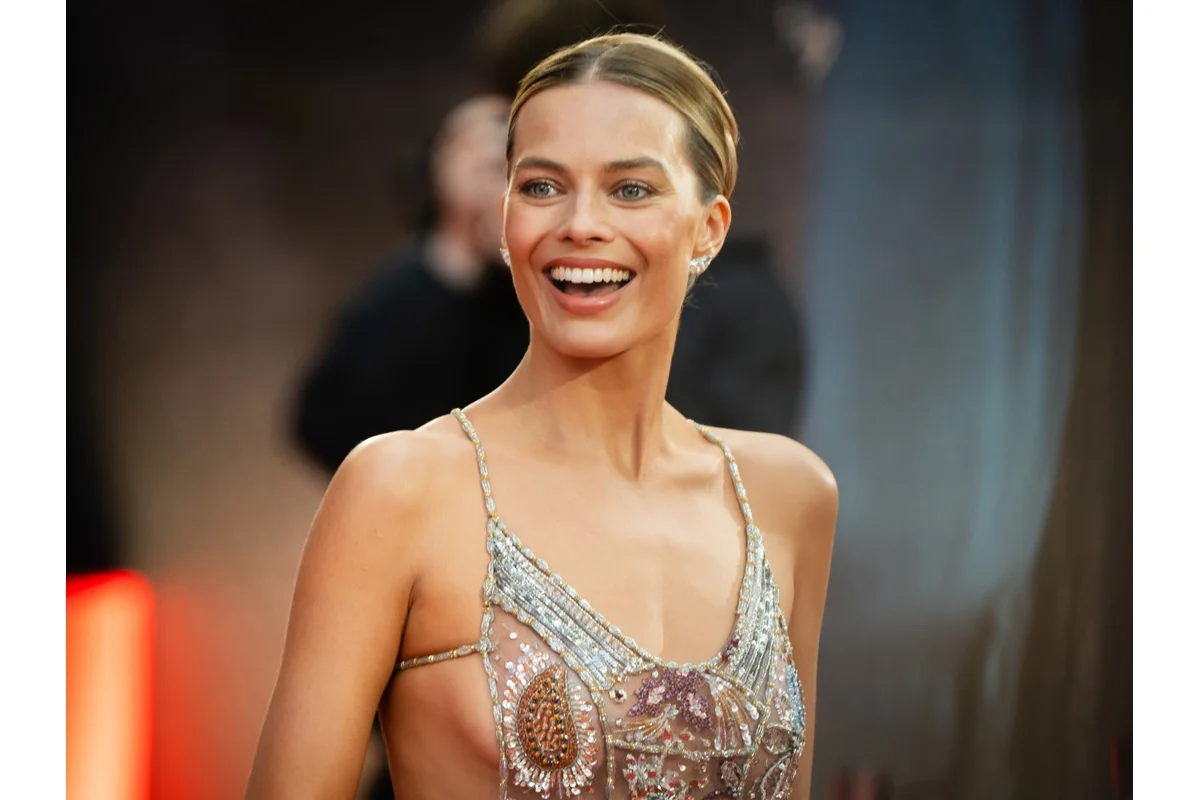
Discussion around the Margot Robbie Wuthering Heights salary has amplified curiosity about overall pay disparities within the film’s cast. According to a report by Showbiz Galore, although the official salary figures remain undisclosed, estimates suggest that Margot Robbie received $12 million for her starring and producing roles. In contrast, Jacob Elordi was reportedly compensated with $1 million. This twelve-fold gap has attracted attention from both industry observers and the public, reviving conversations about actor compensation in high-profile productions.
Other actors in the ensemble also received substantial but varied paychecks. Hong Chau, cast as ‘Nelly Dean,’ reportedly earned $500,000 for her role. Owen Cooper, who portrays ‘Young Heathcliff,’ and Charlotte Mellington, appearing as ‘Young Catherine,’ are both said to have received $700,000 each. Shazad Latif, taking on the role of ‘Edgar Linton,’ and Alison Oliver as ‘Isabella Linton,’ were both reportedly paid $200,000. These figures provide a sense of the scale and structure of compensation for performers in major literary adaptations.
Why Margot Robbie’s Pay Dominates the Conversation
The focus on the Margot Robbie Wuthering Heights salary arises, in part, from her dual function as both lead actress and producer—a role that positioned her to negotiate a larger share of production profits. Beyond her own career, Robbie’s approach to this project, including the decision to decline a more lucrative streaming arrangement, positions her as a principal force behind the film’s creative and business directions. For Robbie, the project is as much about artistic stewardship as it is about on-screen performance, underscored by her strategic partnership with Warner Bros.
The disparity in compensation between Robbie and Elordi reflects broad industry trends, where established stars and producers often secure larger deals, especially when they take on multiple responsibilities. Robbie’s reputation, bolstered by award nominations and box office draws from previous films, likely influenced the terms she secured. For Elordi and other cast members, the film contributes valuable exposure alongside their reported salaries, but the difference remains a topic of debate online and in entertainment media.
Context for the New Wuthering Heights Adaptation
Emily Brontë’s “Wuthering Heights,” published in 1847 under the pseudonym Ellis Bell, is recognized as one of English literature’s great tragic romances, tracing the tempestuous relationship between Catherine and Heathcliff. The novel’s themes—love, obsession, revenge, and destructive passion—have kept it relevant for nearly two centuries. In this new adaptation, directed by Emerald Fennell, audiences can expect a visually rich reinterpretation of Brontë’s story, with a tone that leans toward heightened intensity and emotional turmoil, as seen in the early trailers.
In the film, Robbie portrays Catherine, whose relationship with Heathcliff (played by Jacob Elordi) develops from childhood connection to ultimately tragic estrangement. When Catherine marries Edgar Linton, played by Shazad Latif, Heathcliff’s feelings of betrayal launch a cycle of vengeance that upends the lives of both the Lintons and the Earnshaws—a narrative cycle of manipulation, bitterness, and tragedy that has defined the novel for generations.
Character and Cast Details Highlight Wide Salary Range
Aside from Margot Robbie and Jacob Elordi, the movie assembles a notable roster. Hong Chau’s ‘Nelly Dean’ serves as witness and narrator to the unfolding drama. Owen Cooper as ‘Young Heathcliff’ and Charlotte Mellington as ‘Young Catherine’ explore the roots of the lead characters’ relationship, deepening the plot’s emotional complexity. Alison Oliver takes on Isabella Linton, whose presence has major consequences for both Heathcliff and Edgar Linton. The cast’s relative prominence in Hollywood and their roles’ significance within the narrative shaped the film’s compensation structure.
Wider industry speculation was only exacerbated by reports about Margot Robbie turning down Netflix’s sizable streaming deal. The publicity surrounding these salary numbers—whether officially confirmed or not—has added a layer of intrigue and anticipation ahead of the film’s debut, reinvigorating public interest not only in the new adaptation, but in Brontë’s original work as well.
The Lasting Appeal of Brontë’s Tragic Story on Screen
“Wuthering Heights” endures largely due to its powerful depiction of heartbreak, vengeance, and the relentless grip of lost love. The new film adaptation, according to initial glimpses from promotional material, amplifies the romantic tragedy of the story, channeling the emotional weight and storminess that have haunted readers for generations. Director Emerald Fennell’s interpretation appears to embrace the intensity of Brontë’s tale while promising moments of visually charged drama and passion.
With the movie yet to be released, early reactions stem mainly from its trailers, which hint at a stormier but perhaps less ethereal presentation compared to the prose of the original novel. The choice to keep the project in theaters, coupled with Robbie’s high-profile involvement and compensation, is designed to create a cultural event rather than a fleeting digital release, hoping to replicate for a new generation the impact the book has had since the 19th century.
Anticipation for Release and Industry Implications
With the spotlight on the Margot Robbie Wuthering Heights salary and the film’s unconventional production strategies, anticipation for its release continues to build. Beyond the narrative and performances, the project’s significance rests on what it might signal for future literary adaptations in Hollywood: a renewed respect for traditional cinema, an increasing focus on female actors doubling as producers, and a willingness to revisit classic works through bold, emotionally intense storytelling.
As the studio, cast, and crew prepare for the theatrical rollout, audiences remain curious about both the movie’s interpretation of Brontë’s iconic story and the broader implications for industry compensation models. How the film is received—both for its tragic love story and for the controversies swirling around its production—will shape discussions well beyond its box office debut, reverberating in artistic circles and ongoing debates around pay equity in the entertainment industry.
