
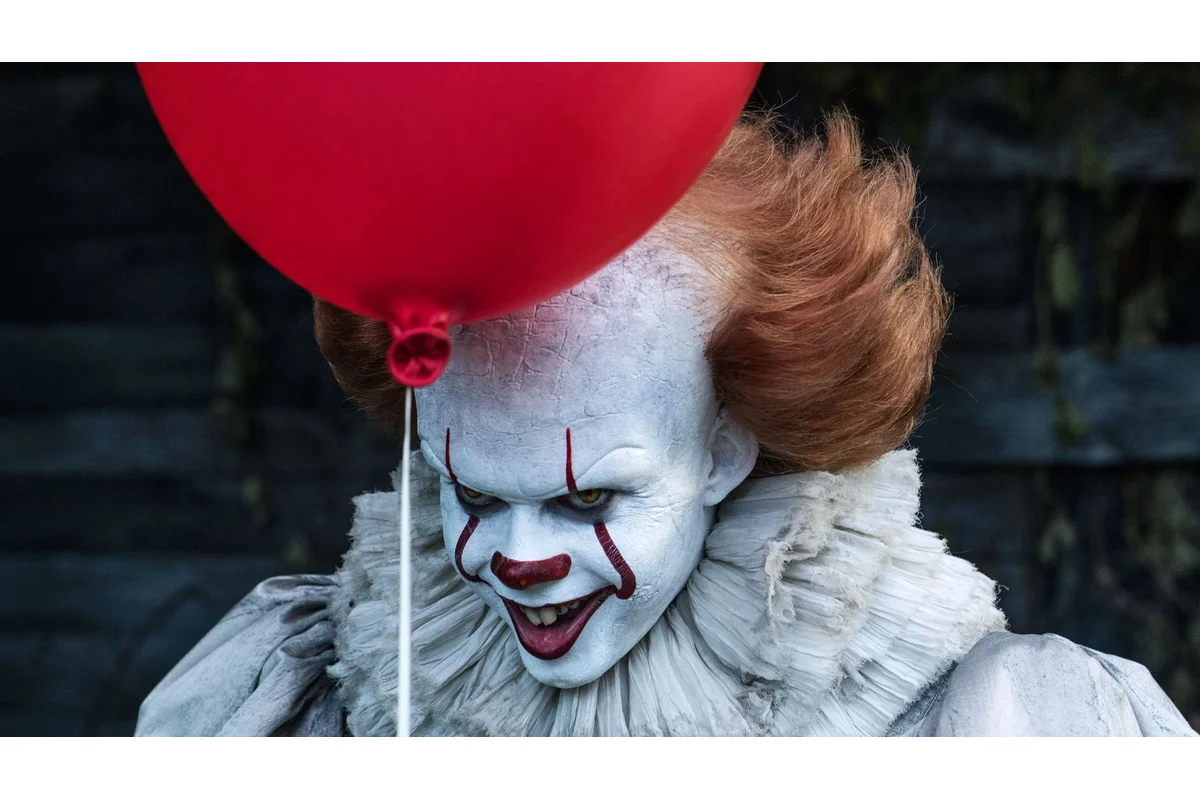
Stephen King Pennywise facts have a unique way of unsettling readers and viewers, extending beyond the familiar horrors of clowns. Pennywise, the infamous antagonist of King’s It, has become a cultural symbol of fear, haunting the fictional town of Derry, Maine, and leaving lasting terror around the world for decades.
Although Pennywise’s evil nature and appetite for harming children are well-documented, there are lesser-known details and secrets woven into King’s stories that even dedicated fans might not know about. Here are five surprising revelations that shine a new light on one of Stephen King’s scariest creations.
Pennywise’s Deeper Ties to The Dark Tower Universe
Pennywise never directly appears in Stephen King’s The Dark Tower series, but a significant connection links the two universes. The origin of Pennywise is revealed as an ancient, malevolent entity from the Macroverse, a cosmic dimension central to King’s mythology. This is the very same Macroverse that Maturin, the Turtle—Pennywise’s opposite and a force for good—calls home. Both It and the Turtle are said to have been created by a mysterious force referred to as the “Other.”
Maturin is not just a symbolic rival; he is also one of the guardians of the Beams that uphold the Dark Tower, a structure holding reality together across King’s novels. This makes Pennywise and the Turtle narrative opposites, connected through the larger mythos, further enriching Pennywise’s backstory and adding a layer of depth to the wider Stephen King multiverse.

Pennywise Cameos in Other King Works
Although Pennywise’s main role is in It, references to this menacing figure are scattered across several of King’s other books. The character is mentioned by name in novels such as 11/22/63, Gray Matter, Dreamcatcher, and Insomnia. Pennywise also makes a more mysterious appearance in The Tommyknockers.
What makes these crossovers intriguing is that King does not always set his novels in a unified universe. The author is known for placing subtle links and cameos throughout his works, using Pennywise’s presence to both delight observant fans and add an element of mystery to his interconnected stories. These threads give readers plenty to puzzle over and leave the door open for fan theories about Pennywise’s reach beyond the events of It.
Pennywise’s Power Has Limits
Pennywise exudes an air of invincibility, but the entity is not omnipotent. King clarifies in his writing that Pennywise, also known as It, is a shapeshifter who can inhabit multiple forms, but with every new guise comes new limitations. When Pennywise takes form as the clown, the entity must obey the physical rules that apply to that shape.
This means that Pennywise, especially when acting as a clown, can be physically injured or killed, and is far from unstoppable. Even in other monstrous forms, Pennywise retains certain vulnerabilities. King also emphasizes that positive emotions—especially courage in the face of fear—pose a genuine threat. This theme gives hope to Pennywise’s victims and highlights the complex rules governing King’s supernatural villains.
Pennywise Is Just One of Its Many Forms
The persona of Pennywise is only a fraction of what It is capable of manifesting. As a shapeshifter, the entity behind Pennywise has been present for centuries, taking whatever form will strike the deepest fear in its victims. Over time, It has appeared as classic horror monsters like the Mummy, Dracula, and a werewolf, and even as the shark from Jaws, among other supernatural creatures.
This terrifying adaptability lets It tailor its appearances to its targets, choosing whatever figure will most effectively terrify children in Derry, Maine. The entity’s return every 27 years since the 1700s means countless children and generations have experienced Pennywise and other nightmarish forms, cementing its lasting place as a universal source of dread.
The Frightening Purpose Behind Scaring Children
Perhaps most shocking among these Stephen King Pennywise facts is the sinister reason why this entity preys on children by terrifying them first. While It is a powerful and ancient being capable of supernatural feats, its frightening approach is not just for dramatic effect. The horrifying truth is that It believes that children “taste better” when they are deeply afraid.
This unsettling detail reveals that instilling fear is not just a prelude to feeding, but is an essential part of the process. To Pennywise, the terror it provokes is the real “seasoning”—the highlight of the meal—while consuming the victim’s flesh becomes secondary. This chilling idea explains why Pennywise’s brand of horror is so specific, turning the act of fear itself into its main course.
Why These Details Resonate with Stephen King and Horror Fans
Stephen King’s ability to weave interconnected worlds and complex monsters like Pennywise gives fans much more to discover than jump scares alone. The entity’s relationship with Maturin, connections to the Dark Tower saga, presence in books beyond It, and deeper motivations for frightening children contribute to the rich tapestry of King’s work. Derry, Maine—and by extension, readers everywhere—remains haunted not only by Pennywise’s clownish smile, but also by the depths of horror that lie beneath the surface.
As fans continue to analyze Pennywise’s appearances and speculate about King’s overlapping universes, new connections and insights may still emerge. Whether seasoned readers or newcomers, anyone exploring these Stephen King Pennywise facts will find even more reason to sleep with the lights on.
