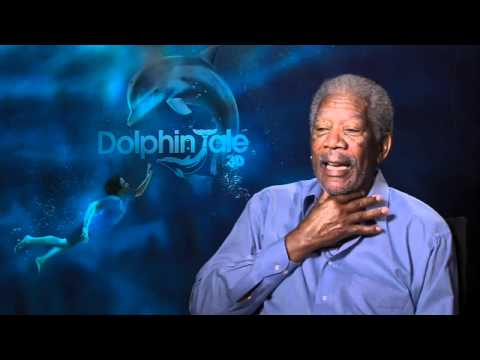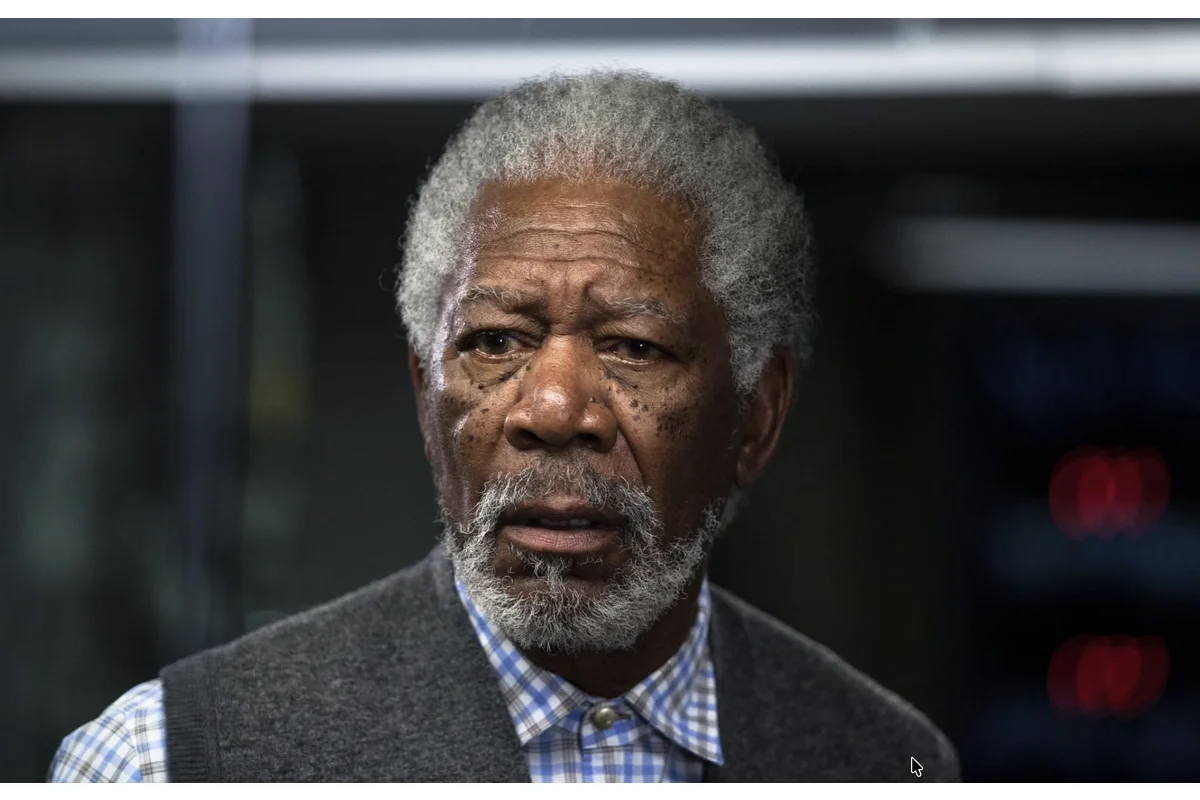
Morgan Freeman on AI voice has become a contentious topic, with Freeman openly opposing technology that clones actors’ voices, as fellow star Michael Caine partners with a company to let artificial intelligence use his own. The dispute highlights deep divisions in Hollywood over AI’s growing influence and the protection of human creativity, surfacing concerns about the future of the industry.
Michael Caine Licenses His Voice to AI and Sparks Concern
Michael Caine’s recent decision to let ElevenLabs use his distinctive voice for commercial uses has drawn attention and raised alarm across the creative community. This development signifies a moment where actors’ vocal identities are no longer theirs alone, as companies now possess the means to replicate and profit from them. Increasingly pervasive and lifelike AI technology brings both excitement and trepidation for the film world, especially as it blurs the lines between human performance and digital simulacra.
Caine expressed his perspective on the partnership, stating,
“For years, I’ve lent my voice to stories that moved people — tales of courage, of wit, of the human spirit,” — Michael Caine, Actor
“Now, I’m helping others find theirs. With ElevenLabs, we can preserve and share voices — not just mine, but anyone’s. ElevenLabs is at the very forefront of technology, using innovation not to replace humanity, but to celebrate it” — Michael Caine, Actor
Despite his endorsement, many are troubled by the prospect that an actor’s voice, once considered uniquely personal, can be cloned and commercialized. Critics argue that this development undermines the integrity of the performing arts, favors technological profit over authentic human expression, and creates harmful precedents for the industry.
Concerns Over AI’s Impact on Creativity and Legacy
Freeman’s criticism is part of a wider debate involving not just new technology but also the treatment of deceased artists’ legacies. Companies like ElevenLabs have replicated the voices of screen legends such as Judy Garland and Laurence Olivier, sparking outrage over using names and legacies without consent. These actions raise ethical concerns about respecting artists after their death and prioritizing the discovery of new talent over reliance on artificial re-creations.
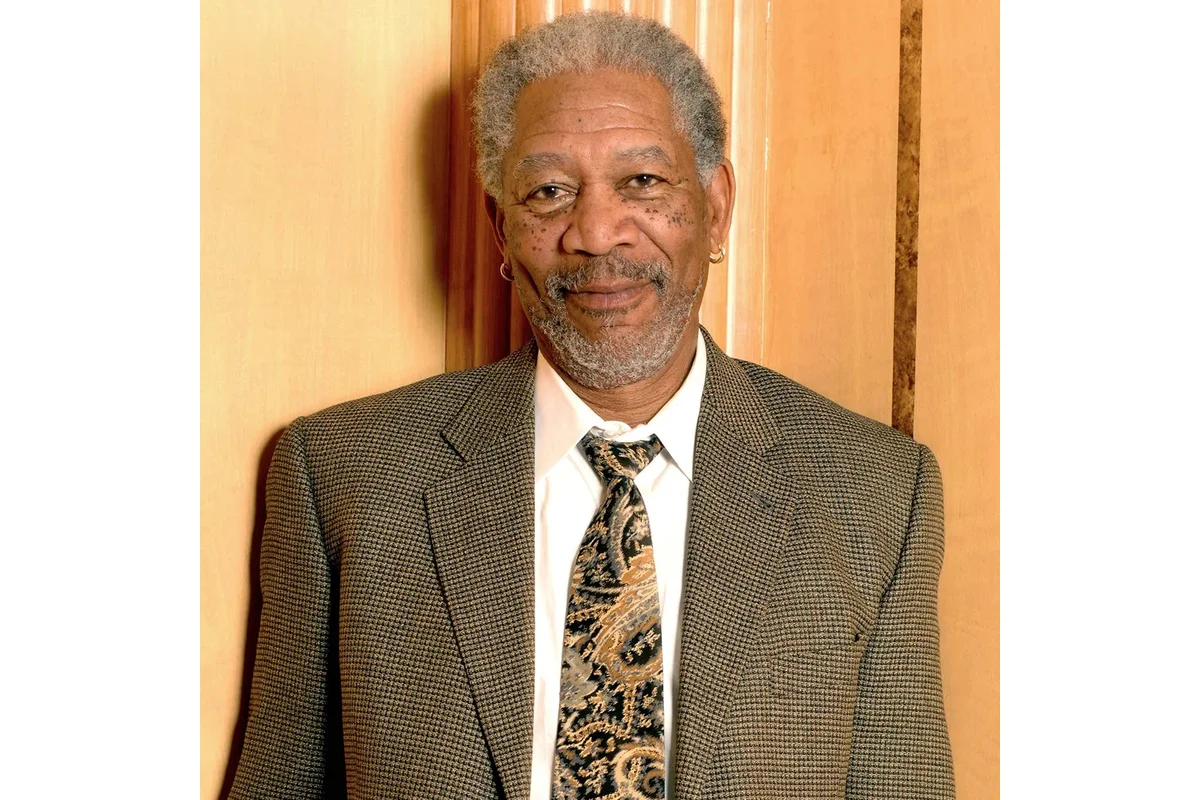
Freeman himself is adamant about preventing the unauthorized use of his iconic voice. He is especially concerned that imitation diminishes artistic value and constitutes theft of labor and identity. In an interview with The Guardian, he said,
“I’m a little PO’d, you know. I’m like any other actor: don’t mimic me with falseness. I don’t appreciate it and I get paid for doing stuff like that, so if you’re gonna do it without me, you’re robbing me.” — Morgan Freeman, Actor
He made clear the seriousness of his opposition, emphasizing legal steps he and his team are taking, noting,
“Well, I tell you, my lawyers have been very, very busy.” — Morgan Freeman, Actor
Hollywood Faces New Dilemmas Over Artificial Intelligence
The debate over AI has gained momentum amid recent controversies, such as the creation of Tilly Norwood, a computer-generated character positioned to become a movie star. Intense backlash followed Norwood’s announcement, reflecting widespread fear that AI characters threaten traditional acting and the authenticity of cinema. The debate questions what defines a film performer and whether audiences can be expected to relate to virtual individuals lacking real emotion and life experience.
Freeman’s resistance resonates in an industry where others, including Matthew McConaughey, are reportedly striking similar AI voice deals. This increase in AI partnerships is met with concern by those who feel it erodes the profession’s foundations. While previous industry strikes have touched upon AI’s implications, many argue those efforts were insufficient to halt technology’s rapid advance, leaving Hollywood’s leading figures divided on the best way forward.
Technology’s Challenges to Truth and Cultural Memory
The proliferation of AI-generated media poses challenges to audiences’ ability to decipher what is real and what is artificial. As technological advances create realistic video and audio, there are growing fears that legacies of beloved figures like Judy Garland could be tarnished by manufactured content falsely attributed to them. This uncertainty diminishes trust and can result in the unintentional spread of misinformation, affecting the legacy and dignity of both living and deceased performers.
In day-to-day interactions, even those who believe themselves adept at spotting artificial creations find it increasingly hard to distinguish genuine content from AI-generated media across platforms like Instagram or Facebook. The risk grows that famous voices may be misused to promote ideas or products, leaving the public in doubt about the legitimacy of anything they see or hear from well-known figures.
The Future of Human Artistry in the Face of Advancing AI
Morgan Freeman’s outspokenness on AI voice cloning highlights a crucial turning point for artistic professions. As the reach of technology accelerates, Hollywood’s creative leaders are confronted with the ethical and cultural ramifications of commercializing human uniqueness. With more actors entering partnerships with AI companies, the entertainment industry must grapple with how much it values original artistry over technological convenience and profit.
While ongoing controversy makes it clear that the landscape is shifting, Freeman’s refusal to let his voice be replicated demonstrates a commitment to protecting both his legacy and the broader principles of creative authenticity. Whether this stance will inspire more widespread resistance or be overwhelmed by the tide of technological adoption remains an open and urgent question for the future of film and culture.