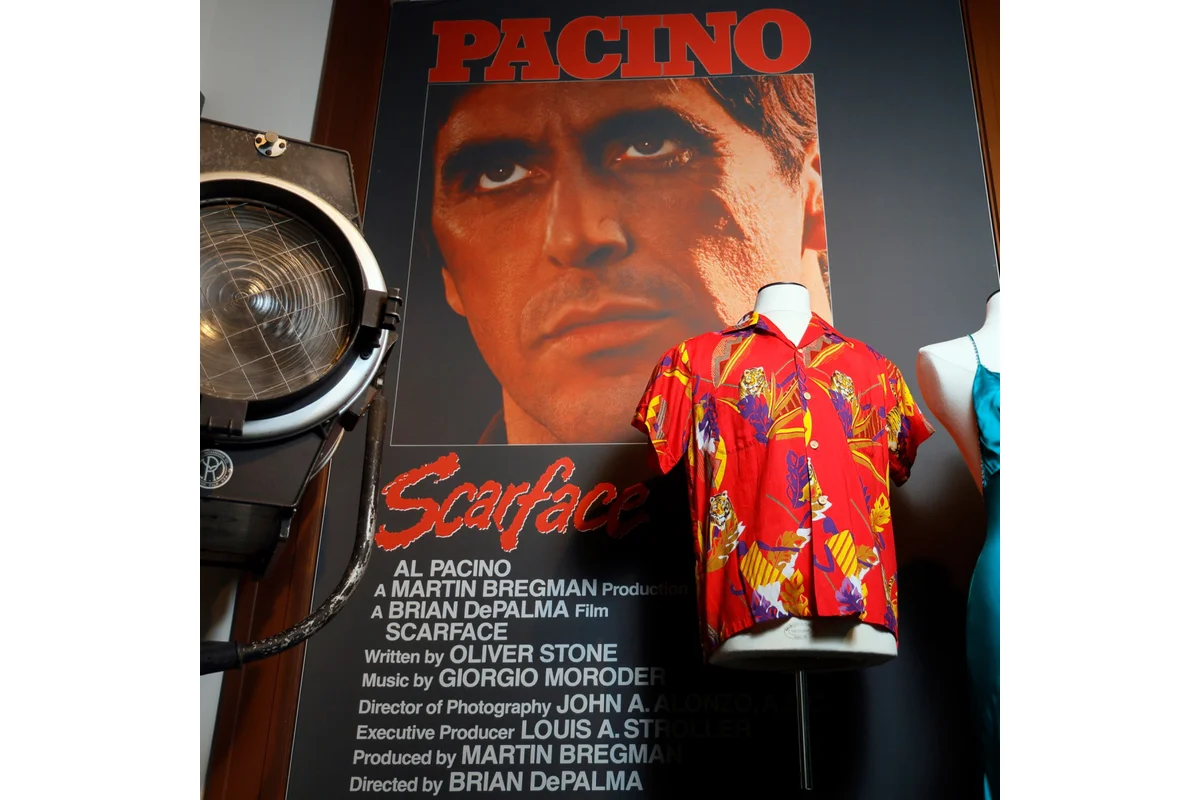
Al Pacino Scarface legacy is a story of transformation and enduring influence. When the film debuted in 1983, it struggled to gain immediate critical acclaim, meeting a divided response from reviewers who mainly took issue with its graphic content. Set in the energetic backdrop of 1980s Miami, director Brian De Palma and producer Martin Bregman brought to life the journey of Tony Montana, a drug lord whose dramatic rise and fall was both intense and cautionary. Pacino, inspired by the 1932 original, quickly embraced this opportunity, eager to explore a role immersed in excess and violence. While some compared Scarface’s mixed reception to the polarizing response Citizen Kane received upon its release in 1941, both films have since become guides for cinematic excellence, finding audiences who appreciate their bold storytelling.
The Elements that Made Scarface Unique
Scarface stood out due to its relentless portrayal of ambition, greed, and the consequences that come with a life driven by excess. The character of Tony Montana, played by Pacino, embodies the ultimate rise-and-fall narrative, showing the power and dangers of unchecked desire. The film seduces viewers into Montana’s lavish yet treacherous world, making his inevitable downfall as gripping as his ascent. Pacino noted that the story’s richness lay in how it drew audiences into its dramatic vices, illustrating the harsh truths behind glamour. Miami’s vibrant environment and the era’s allure of wealth heightened Scarface’s impact, ensuring its place among standout gangster films.

Critical Backlash and Changing Perspectives
At the time of its release, Scarface drew strong criticism over its brutal violence, with many critics dismissing the film and only a portion of the audience defending it. Pacino was not discouraged by this early reaction, recognizing it as an aspect of cinematic risk-taking. Over time, Scarface experienced a remarkable shift in public perception. Its relentless style, daring script, and Pacino’s uncompromising performance resonated with audiences beyond its initial run. The film’s themes of power and downfall kept it relevant as later generations discovered it anew.
Al Pacino’s Reflection on the Film’s Journey
Pacino’s appreciation for the film deepened as it gained recognition over the years. During a celebration of Scarface’s Blu-Ray release, he shared his personal feelings about its road to fame:
It’s one of my favorites because of its whole evolution. It was sort of eviscerated after it opened by the press. Nobody was fond of it, except it had good audience participation.
– Al Pacino, Actor
Lines from the film, such as
Say hello to my little friend,
– Al Pacino, Actor, have become embedded in popular culture, signifying Scarface’s elevation to iconic status. Its imagery can be found on everything from posters to clothing, further cementing its legacy in both cinema and the wider culture.
The Ongoing Influence of Scarface on New Audiences
Pacino described the continuous popularity of Scarface as almost miraculous, noting how the film resonates with younger audiences long after its release. References to the film appear frequently in music and movies, showing its widespread cultural impact. Scarface’s journey from critical contention to a beloved classic demonstrates the unpredictable nature of film reception. Al Pacino, Brian De Palma, and Martin Bregman’s collaboration created a work that, despite early criticism, ultimately became a foundational title in the gangster genre and an unmistakable touchstone for generations of film lovers.