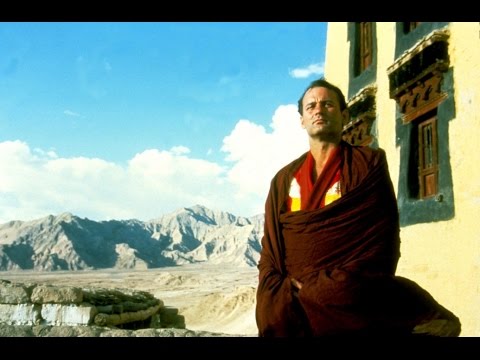
Bill Murray’s Hollywood career evolution has been marked by unpredictable choices and a resolute independence, but one particular film in the 1980s prompted the acclaimed actor to step away from the industry at the height of his fame. In 1984, after a string of blockbuster comedies, Murray’s transition into dramatic territory with The Razor’s Edge tested both his talent and his commitment to Hollywood, ultimately leading him to take a prolonged hiatus from acting.
Bill Murray’s Unconventional Approach to Fame
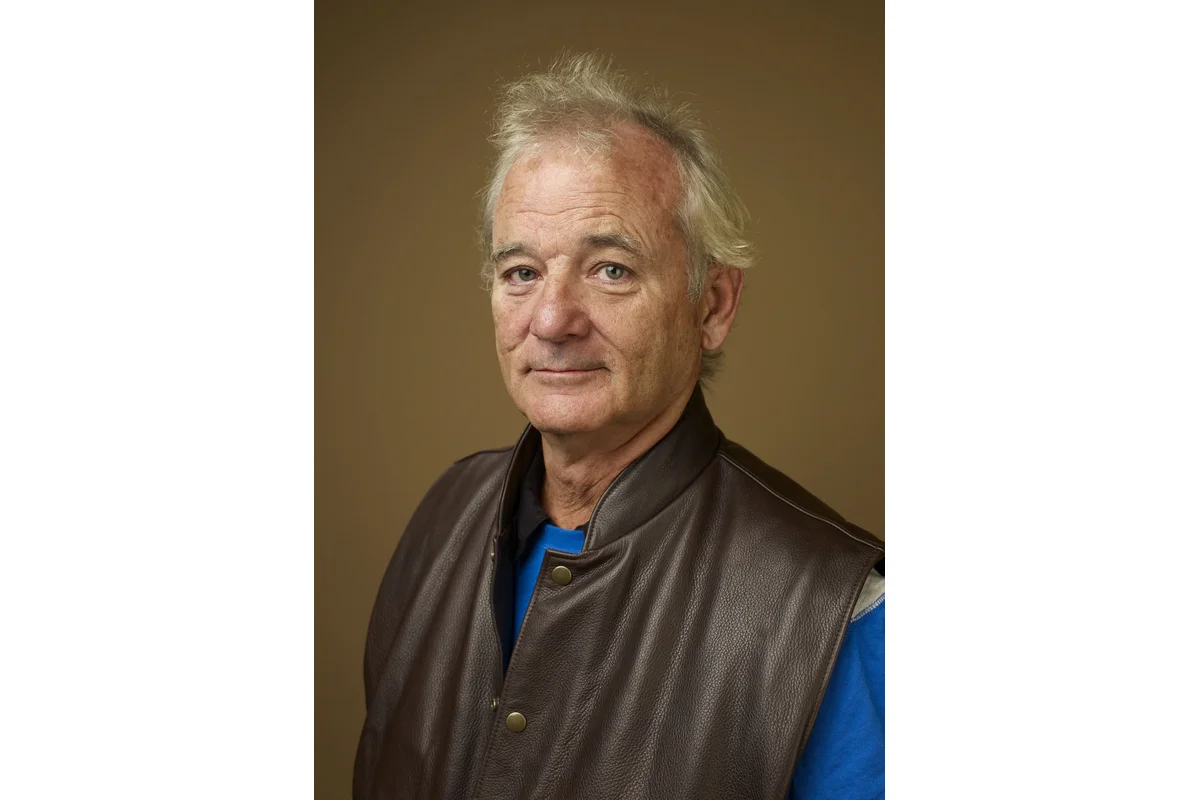
Throughout his career, Bill Murray has distinguished himself not only as a remarkable actor but also through his unorthodox relations with Hollywood’s conventions. Known for his independent spirit, Murray has no agent or traditional team of handlers. Instead, he prefers to be contacted through a 1-800 phone line—a method that has become a legend of its own. Unless the caller is a trusted collaborator like Wes Anderson, most inquiries remain unanswered. This approach speaks to Murray’s enduring desire to navigate fame on his own terms.
Murray’s rebel persona isn’t limited to his career management. He has become famous for unexpected public appearances, such as crashing weddings, experimenting with NFTs, and even driving a taxi so the actual driver could entertain passengers by playing the saxophone. This unpredictability has made him a cult figure, but it has also sometimes led to contentious moments both on and off set, including more recent controversies like the halting of Aziz Ansari’s Being Mortal due to allegations of inappropriate behavior.
The Struggle to Expand Beyond Comedy
By the mid-1980s, Murray had established himself as one of Hollywood’s top comedic actors, thanks to successes like Meatballs, Caddyshack, and Stripes. Despite his popularity, however, he yearned for roles that would allow him to delve into more serious material. To accomplish this pivot, Murray collaborated with director John Byrum on adapting W Somerset Maugham’s novel The Razor’s Edge, hoping to show a different side of his talent.
Securing financial backing for such a project proved difficult. Studios were skeptical about investing in a dramatic vehicle for a star known almost exclusively for comedy. Desperate to see his vision realized, Murray turned to his former Saturday Night Live colleague Dan Aykroyd for advice. Aykroyd proposed a unique solution: if Murray agreed to appear in Columbia Pictures’ upcoming supernatural comedy Ghostbusters, the studio would, in exchange, finance The Razor’s Edge.
A Deal That Changed the Course of a Career
Murray agreed to the arrangement, filming The Razor’s Edge first before moving on to the Ghostbusters set. In 1984, both movies hit theaters just months apart. While Ghostbusters achieved massive commercial success, ending the year as the second-highest-grossing film, The Razor’s Edge fell short at the box office, drawing little audience interest and failing to recoup even half of its substantial $13 million budget.
Many believed that Murray’s star power alone guaranteed box office success, regardless of genre. However, audiences appeared reluctant to accept the actor in a prominently dramatic role. The lack of enthusiasm for The Razor’s Edge was dispiriting for Murray, who felt the sting of failure after what he hoped would be a career-defining departure from his customary image.
An Extended Departure and a Shift in Priorities
Disheartened by the reaction to his dramatic work and increasingly disillusioned with Hollywood’s political dynamics, Murray made the decision to step away from acting. At a time when his popularity had soared, he chose instead to concentrate on his personal life, devoting his attention to family and enrolling at Sorbonne University in Paris, France, where he studied philosophy. For several years, apart from a fleeting cameo in Little Shop of Horrors in 1986, Murray was absent from movie screens between 1985 and 1988.
Return to Hollywood and Reinvention
Murray made his comeback with the 1988 film Scrooged. The experience granted him considerable creative influence, but it also cemented his reputation for being challenging on set, a perception that would become part of his legacy. Nonetheless, Scrooged proved a financial triumph, welcoming Murray back as a bankable star in Hollywood.
In the years that followed, Murray continued to take selective risks with his roles, occasionally gravitating toward dramatic performances that allowed him to blend his comedic roots with a more nuanced, emotional complexity. His acclaimed turn in Lost in Translation stands out as a high point, showcasing how his dramatic sensibilities, tempered by subtle humor, could achieve both critical and commercial success.
The Lasting Impact of The Razor’s Edge on Murray’s Path
The Razor’s Edge, while unsuccessful commercially, became a pivotal moment in Bill Murray’s Hollywood career evolution. The film’s reception and the events that followed prompted Murray to re-examine his relationship with acting and stardom, influencing the unique choices and boundaries he has since maintained. Through periods of retreat and reinvention, Murray’s journey continues to reflect his steadfast commitment to authenticity, unpredictability, and an enduring refusal to conform to Hollywood expectations.