
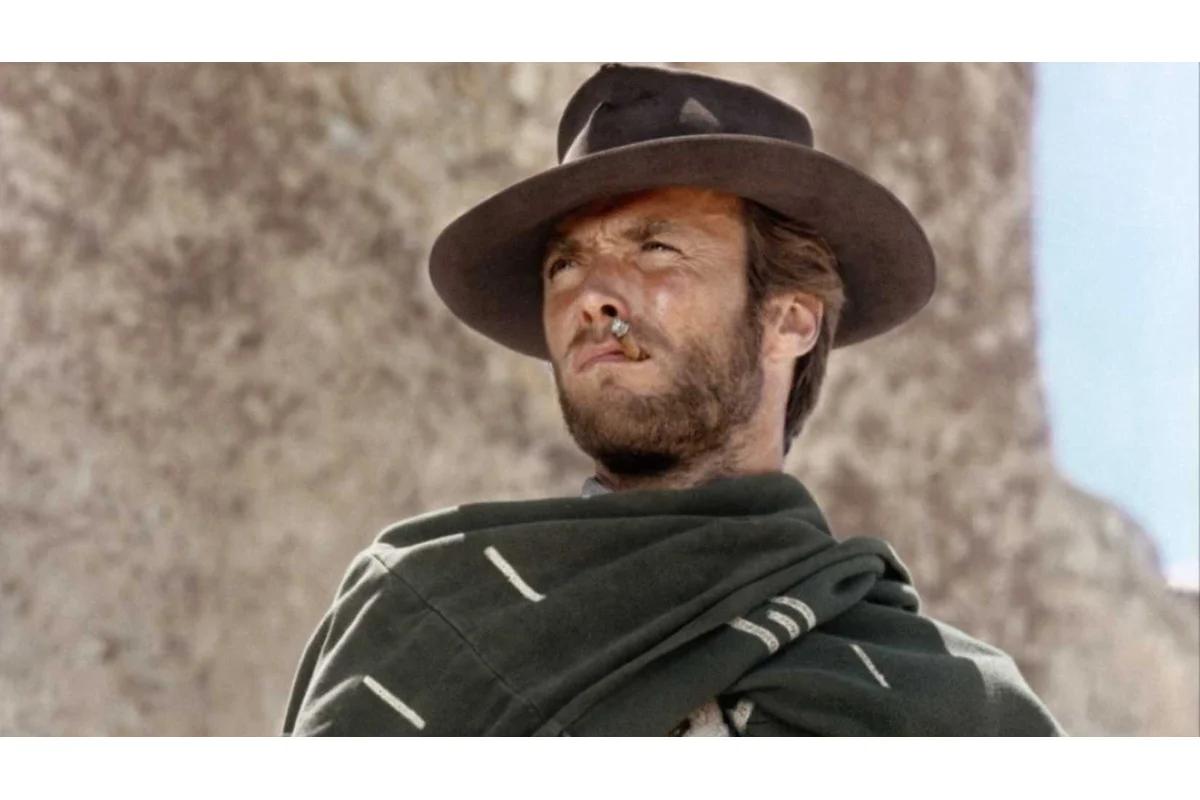
Clint Eastwood best action scenes have shaped action cinema for decades, revealing the actor’s influence on both the Western and crime genres across multiple eras. From grizzled lawmen wielding iconic revolvers to daring feats of survival and skill, Eastwood’s most memorable setpieces endure for their intensity, craftsmanship, and legendary style.
While not always grouped with fellow action icons like Dolph Lundgren or Sylvester Stallone, Eastwood’s diverse filmography features some of the most compelling and inventive sequences in movie history. His transition from classic Western figures to modern antiheroes, heightened by his work as both actor and director, left a deep mark on the evolution of action movies and character-driven storytelling.
10. The Palancio Raid: High-Stakes Action in Magnum Force (1973)
Returning as Dirty Harry, Eastwood ups the ante in this sequel, with relentless action nearly every ten minutes. The standout moment arrives as Harry leads a team of officers in a tense raid targeting gangster Palancio, only to be met with a brutal betrayal as Palancio is tipped off. The scenario quickly escalates into a gun battle filled with chaos.
Director Ted Post orchestrates this pivotal scene with striking force, beginning with a sudden shotgun blast that sets the tone for the relentless firefight that follows. The climax features Harry clinging to the hood of a speeding car, an image that invoked comparisons to later cinematic shootouts, such as the infamous bank robbery scene in Heat. The grand scope of the Palancio raid surpassed anything found in the original Dirty Harry, raising the standard for gritty, urban action.
9. Running the Gauntlet: Ultimate Showdown in The Gauntlet (1977)
In The Gauntlet, Eastwood directs and stars as a downtrodden cop assigned to protect a crucial witness, played by Sondra Locke. Together, they fend off an onslaught of threats, from a house reduced to rubble by gunfire to attacks from bikers and a helicopter sniper. Throughout the film, escalating setpieces build to an outrageous finale.
The climactic scene sees Eastwood and Locke’s character, Gus, driving an armored bus through a barricade of gun-wielding officers. Though the scenario pushes believability to its limits, its energetic execution makes it exhilarating. This over-the-top conclusion showcases Eastwood’s penchant for inventive, larger-than-life action at its boldest.
8. “Boy, Is This a Machine”: Aerial Tricks in Firefox (1982)
Switching gears to Cold War intrigue, Eastwood stars as a pilot tasked with stealing an advanced Soviet aircraft. Although the initial half of Firefox unfolds at a slow pace, the intensity spikes in the second act once the hero seizes the prototype jet and is hunted by enemy forces.
One particularly memorable action setpiece spotlights the futuristic plane’s capabilities. Eastwood’s character pilots the jet through a barrage of missiles, ultimately outmaneuvering them and causing an enemy helicopter to crash in a dramatic explosion. This moment transforms the film from methodical thriller to nail-biting aerial action, demonstrating Eastwood’s ability to adapt genre elements for maximum impact.
7. Schaffer Takes a Stand: Defending Against the Nazis in Where Eagles Dare (1968)
In the World War II thriller Where Eagles Dare, Eastwood partners with Richard Burton on a covert mission deep within a Bavarian fortress. The film slowly builds tension before unleashing non-stop action as the central characters face overwhelming Nazi opposition.
A signature sequence unfolds when Eastwood’s character, Schaffer, single-handedly holds off a wave of German soldiers. Wielding dual submachine guns, he returns enemy grenades and exchanges a knowing smirk with a foe before dispatching him. Though the physics may defy reality, the flair and confidence displayed cement Eastwood’s presence as an unstoppable force in war cinema.
6. “Go Ahead, Make My Day”: The Diner Standoff in Sudden Impact (1983)
The phrase “Go ahead, make my day” endures as one of Dirty Harry’s most famous lines, originating not in the first film, but in this fourth installment directed by Eastwood himself. The pivotal moment arises early, when the detective inadvertently steps into a diner robbery.
Proving his skill for taut confrontation, Harry issues a stern ultimatum to the thieves before employing his .44 Magnum with deadly precision against three assailants. Staring down the last suspect, Harry simply cocks his revolver and utters the signature line, compelling the criminal’s surrender. This standoff blends suspense with Eastwood’s iconic screen persona, illustrating the lasting appeal of both character and performer.
5. Freeway Carnage: The Rookie’s Opening Chase (1990)
In The Rookie, Eastwood explores the buddy-cop formula, albeit with a darker edge and less humor than its inspirations. The film’s most memorable action occurs at the outset, as Eastwood’s detective chases a truck carrying cars along a busy freeway.
Desperate to escape, the antagonists release vehicles onto the highway, forcing destructive collisions in a sequence marked by practical effects and intense choreography. Unlike later CG-driven blockbusters, The Rookie’s chase stands out for its real-world weight and gritty visuals—setting a high bar at the very start of the film.
4. Cutting the Lifeline: Climbing Peril in The Eiger Sanction (1975)
Adapted from a satirical spy novel, The Eiger Sanction combines action with mountaineering danger. The closing act contains a harrowing scene where Eastwood’s character, Hemlock, faces a life-or-death decision during an ascent of the Eiger mountain.
As calamity strikes the climbing party, Hemlock is left dangling precariously. In a moment of nerve-wracking suspense, he chooses to sever his own rope in order to be pulled to safety, surviving in the face of overwhelming odds. This sequence highlights both physical and psychological stakes, delivering a gripping setpiece rooted in raw survival.
3. Turning the Tables: Ambush in The Outlaw Josey Wales (1976)
The Outlaw Josey Wales stands as one of Eastwood’s most celebrated Westerns, seamlessly weaving antiwar commentary and classic adventure. Early in the story, Josey witnesses his Confederate friends lured into a deadly trap by Union forces. Determined to intervene, he seizes a mounted gun and unleashes furious retaliation upon the attackers.
Eastwood’s direction magnifies the chaos, as Josey’s solo stand against overwhelming numbers becomes both sensational and deeply affecting. The shootout’s dramatic tension and heroic audacity embody the mythic qualities that define the Western genre and Eastwood’s legacy within it.
2. Endgame Tension: Dirty Harry Versus Scorpio (1971)
The original Dirty Harry features a gripping final confrontation between Eastwood’s character and the ruthless serial killer Scorpio, portrayed by Andrew Robinson. After Scorpio hijacks a school bus and takes hostages, Harry risks everything to stop him.
Harry climbs atop the moving bus to force it to a halt, then pursues Scorpio to a deserted quarry. The ensuing standoff, featuring nervy exchanges and the rescue of a child hostage, culminates in Harry wounding the antagonist and delivering a somber iteration of his chilling “Do you feel lucky?” speech. The emotional weight and cinematic style of this climax set a benchmark for police thrillers, influencing portrayals of detectives and criminals for years to come.
1. The Mexican Standoff: The Good, the Bad and the Ugly (1966)
The defining moment in Eastwood’s career arrives in the legendary showdown at the end of The Good, the Bad and the Ugly. Set in a sprawling cemetery, Eastwood’s Man with No Name faces off against Eli Wallach’s Tuco and Lee Van Cleef’s Angel Eyes. Each man maneuvers with calculation and trepidation, waiting for the first move.
Sergio Leone’s mastery of framing, combined with Ennio Morricone’s soaring score, elevate this duel into the pantheon of cinematic history. The tension, the close-ups, and the inevitable draw result in one of the most indelible action scenes ever filmed—cementing its status as the ultimate expression of Eastwood’s action credentials.
Clint Eastwood’s best action scenes continue to inspire and influence both filmmakers and audiences worldwide. Beyond his unique performances, Eastwood’s approach to directing and staging genre-defining moments—from Westerns to modern crime thrillers—has left a permanent mark on cinematic storytelling. His top-ten action setpieces remain a testament to the enduring appeal of practical stunts, taut direction, and the unforgettable magnetism that has defined his storied career.
