
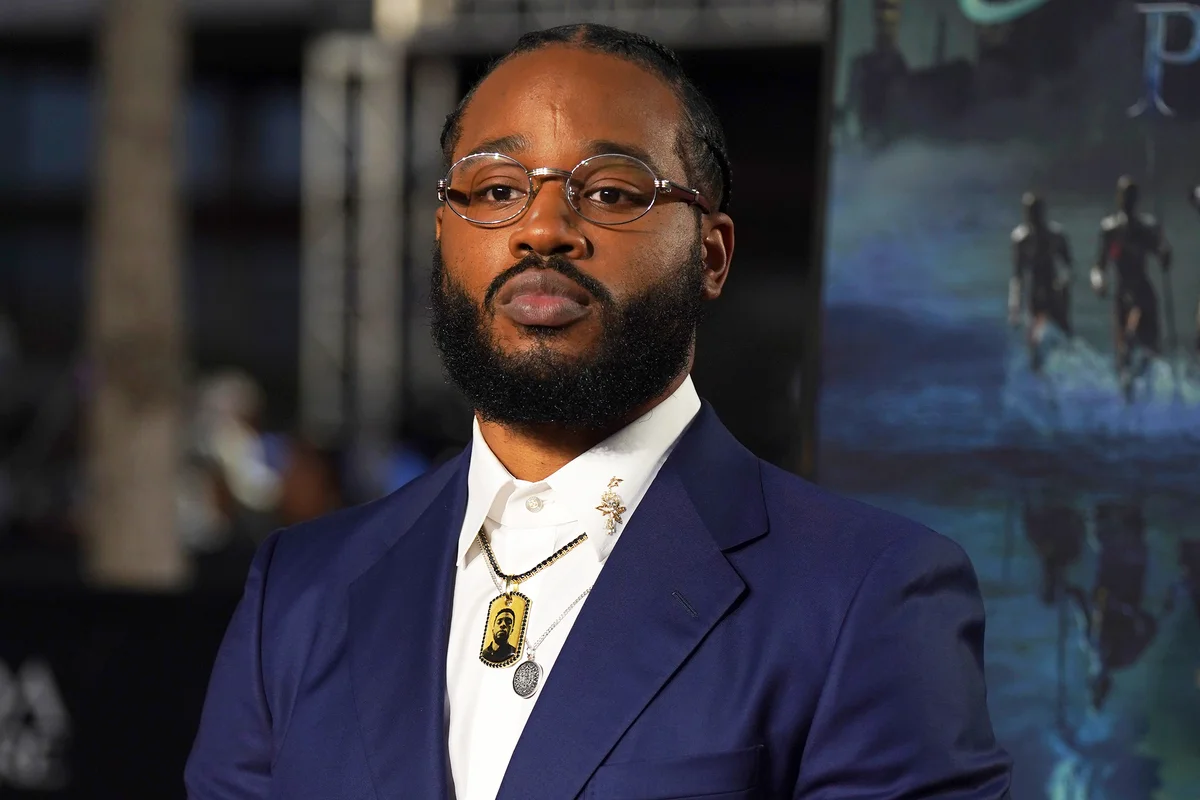
The discussion surrounding the future of the “Black Panther” franchise is reaching a turning point, as Ryan Coogler Black Panther 3 becomes a focal point for debates on creative autonomy, especially after Marvel’s heavy-handed approach has drawn criticism. Following a divisive response to “Black Panther: Wakanda Forever,” many are emphasizing the need for the director, renowned for his film “Sinners,” to have full creative control without interference from Marvel leadership.
Although “Black Panther: Wakanda Forever” delivered certain powerful scenes, such as the initial Talokan assault, T’Challa’s funeral, and Angela Bassett’s portrayal of Queen Ramonda, the film was seen by many as lacking cohesion. This perception was due in part to storylines focused on characters like Everett K. Ross, Valentina Allegra de Fontaine, and Riri Williams. These supporting roles were perceived as setup for their future appearances in other Marvel projects, overshadowing the core Wakandan cast initially brought to life by Ryan Coogler and co-writer Joe Robert Cole.
The franchise’s issues are not unique to this sequel, but they highlight a broader trend within the Marvel Cinematic Universe (MCU), where creative direction often becomes fragmented. Marvel’s established practice has been for Kevin Feige, its showrunner-like president, to plot major story beats and pre-visualize action sequences even before hiring directors. Writers like Christopher Markus and Stephen McFeely have been relied upon to expand these storyline frameworks. Directors, such as the Russo Brothers during “Avengers: Infinity War,” were given leeway to add style, but not at the expense of the larger narrative roadmap Feige laid out.
Marvel’s Studio System and Its Effects on Filmmakers
This approach produced a recognizable house style that many audiences found accessible. However, it sometimes came at the cost of losing visionary talent, with filmmakers like Edgar Wright leaving “Ant-Man” and Ava DuVernay stepping away before the first Black Panther film. The MCU did occasionally allow directors distinctive voices, as seen with James Gunn on the “Guardians of the Galaxy” trilogy, Taika Waititi’s unique take on “Thor,” Joe Johnston’s period vision in “Captain America: The First Avenger,” or Sam Raimi’s musical creativity in
“Doctor Strange in the Multiverse of Madness.”
Despite this, Marvel’s quality control model is showing wear. Industry shifts, increasing attention on Disney+ series, and noted superhero fatigue have exposed faults in the once-reliable system. Even successful movies, such as “Thunderbolts” and the recently developed “The Fantastic Four: First Steps,” have shown signs of being patched together rather than cohesively crafted, as audiences demand more than just spectacular visuals—they seek strong, engaging storytelling.
The Argument for Coogler’s Independent Vision
The contrast between Marvel’s current trajectory and Ryan Coogler’s recent film “Sinners” is stark. Coogler, stepping away from Marvel’s oversight, delivered a wholly original story about twins returning to their Mississippi home to open a juke joint, only to face a vampire invasion. This project, praised as an artistic and box-office success, demonstrated Coogler’s talent for combining technical flair with meaningful themes. The film’s standout sequences, such as the music-through-the-ages montage, show what happens when a skilled filmmaker operates without restrictive oversight—delivering films that are both entertaining and substantive.
It remains unclear whether Marvel Studios mandated the extensive focus on characters like Val, Riri, and Ross in “Wakanda Forever.” If those choices belonged solely to Ryan Coogler and Joe Robert Cole, then responsibility for the film’s shortcomings would rest with them. However, Marvel’s history suggests that creative imposition from the top often shapes the narratives and focus within its films.
What’s at Stake for Black Panther 3 and the MCU
With the new installment of the “Black Panther” series on the table, the call is intensifying for Kevin Feige and the architects of the MCU to take a step back. Coogler, who crafted a groundbreaking original with the first “Black Panther” and followed it with one of the most notable genre films in recent years, has demonstrated a rare ability to elevate comic book storytelling beyond genre boundaries. After a series of movies with declining impact and coherence, Marvel is confronted with the reality that audience expectations now prioritize depth and vision alongside spectacle.
If Ryan Coogler Black Panther 3 is to succeed, the MCU needs to allow the kind of creative freedom that previously led to critical and cultural triumph. By letting Coogler follow his instincts rather than adhering to a studio-driven formula, Marvel stands a chance to revitalize both the franchise and its own standing in the competitive world of superhero cinema. This moment represents not just an opportunity for a director, but a test for an entire cinematic universe at a crossroads.
Ryan Coogler confirms ‘Black Panther 3’ is his next film #DeadlineContenders pic.twitter.com/15OH9hpMPY
— Deadline (@DEADLINE) November 15, 2025
