Stephen King’s novels and stories have fueled some of cinema’s most memorable films, covering chilling horror and profound drama, and remain pivotal touchstones for fans and critics alike. With the Best Stephen King Movies at the core, this guide explores acclaimed adaptations that stand at the height of his cinematic legacy.
Top Stephen King Movie Adaptations Across Genres
Stephen King stands not only as a titan of horror but as one of the most frequently adapted writers in history, with over fifty films drawn from his prolific imagination. This list spotlights the movies that have had the greatest cultural impact, risen to critical acclaim, and exemplified the author’s range beyond supernatural terror. To be included, a film had to resonate with audiences or critics, leave a mark on the genre, or highlight King’s capacity for storytelling outside horror. While there are many contenders, the picks below exemplify the best film versions of King’s diverse works.
The Shining: A Landmark in Psychological Horror
Stanley Kubrick’s interpretation of The Shining (1980) remains one of the most influential Stephen King films, offering a visually arresting and intensely psychological dive into madness. Jack Torrance, played by Jack Nicholson, becomes the winter caretaker at the isolated Overlook Hotel. What begins as an opportunity for solitude unravels into a terrifying spiral as the hotel’s dark past and supernatural forces torment Jack, his wife Wendy, and their son Danny. Despite King’s well-known reservations about the adaptation, Kubrick’s vision elevated the material, and Shelley Duvall’s and Danny Lloyd’s performances amplify the anxiety as the family faces psychological and ghostly threats. Today, The Shining continues to define 20th-century horror cinema, blending meticulous craft with an atmosphere of mounting dread.

Stand By Me: A Journey Through Friendship and Loss
Departing from terror but not from emotional intensity, Stand By Me (1986) endures as a defining coming-of-age tale from King’s work. Directed by Rob Reiner and based on the novella The Body, the film follows four friends—played by River Phoenix, Wil Wheaton, Corey Feldman, and Jerry O’Connell—on a trek to find the body of a missing boy. The narrative explores shifting loyalties, the pangs of adolescence, and the bittersweet bond among friends, against a backdrop of rural uncertainty. For many, it remains evidence of King’s ability to provoke nostalgia and reflection, rather than just fear. The cast’s chemistry and the film’s emotional core have made it a touchstone for movies about youth and growing up, occupying a similar space to classics like The Goonies.
The Long Walk: Dystopia and Psychological Endurance
Slated for release in 2025, The Long Walk draws inspiration from King’s early career, when he wrote dystopian tales under the pseudonym Richard Bachman. Director Francis Lawrence, known for his work on the Hunger Games series, adapts this tense novel set in a society haunted by the specter of war and authoritarian control. Boys from across the nation are forced into a relentless walking contest where dropping below a set pace means death, a premise more about psychological strain than spectacle. Rather than direct comment on a particular conflict such as the Vietnam War, King’s narrative constructs a universal portrait of endurance and societal pressure, which Lawrence brings to the screen by focusing on escalating tension among the participants. The story’s slow-burn suspense draws comparisons to modern survival games, but remains singular in its atmospheric, unflinching gaze at human resilience in the face of impossible odds.
The Shawshank Redemption: Hope Behind Prison Walls
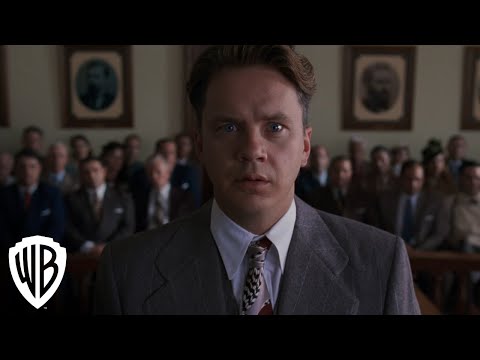
Many are surprised to learn King wrote The Shawshank Redemption, adapted by Frank Darabont from the novella Rita Hayworth and Shawshank Redemption. The 1994 film, featuring Tim Robbins as Andy Dufresne and Morgan Freeman as Red, has ascended to the ranks of the best-loved movies ever made. It traces Andy’s journey from new inmate to the heart of the Shawshank State Penitentiary, where he builds an unlikely friendship with Red and chooses dignity and hope over despair. The performances by Robbins and Freeman breathe warmth into a setting fraught with hardship and isolation, and the movie’s reputation as a story of endurance and redemption routinely earns it high accolades—even though it famously did not claim any Oscars. Yet, its staying power lies in universal themes of perseverance and the quiet ways people can transform themselves and their communities despite everything stacked against them.
Carrie: Horror’s Adolescence and Revenge
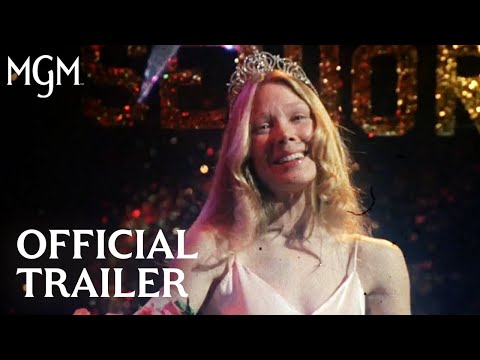
Published in 1974, Carrie was King’s emotionally charged debut and was quickly adapted for film by Brian De Palma in 1976. Sissy Spacek’s performance as Carrie White, a socially ostracized teenager caught between the cruelty of her classmates and her mother’s fanatical abuse, brings pathos and terror to a story many can relate to on a visceral level. The film’s climactic sequences have since become iconic in cinema history, typifying King’s gift for combining personal anguish with supernatural retribution. The movie also stands out for the dramatic impact of its direction, and for launching King’s influence over the horror genre. Even after decades, Carrie remains one of the most recognizable and referenced works, its blend of coming-of-age themes and escalating horror influencing countless subsequent films.
Honorable Mentions in Stephen King Adaptations
Several other films nearly made the list for Best Stephen King Movies, reflecting both popularity and creative achievement. Works like Misery, The Green Mile, It, and The Dead Zone have each drawn praise and remain beloved by fans and critics. These stories further illustrate King’s unmatched versatility and enduring presence across genres and decades. As Stephen King continues to inspire new adaptations, audiences can expect his stories—whether of haunted hotels, desperate friendships, dystopian struggles, or redemptive journeys—to remain central to the best in literary and cinematic storytelling.
Stephen King’s reach is evident in the many directors, actors, and fans—from Stanley Kubrick and Brian De Palma to River Phoenix, Tim Robbins, Morgan Freeman, and Sissy Spacek—who have helped bring his visions to life. The Best Stephen King Movies serve not only as thrilling tales or dramatic statements but as reflections of universal anxieties and aspirations, ensuring his legacy will endure on screen for generations to come.