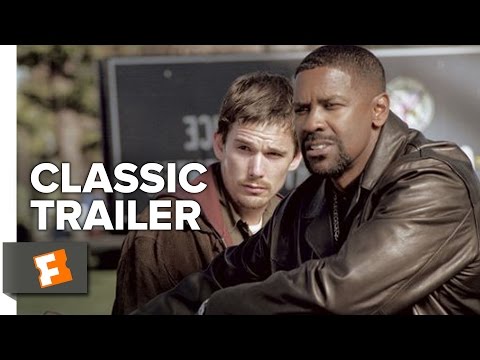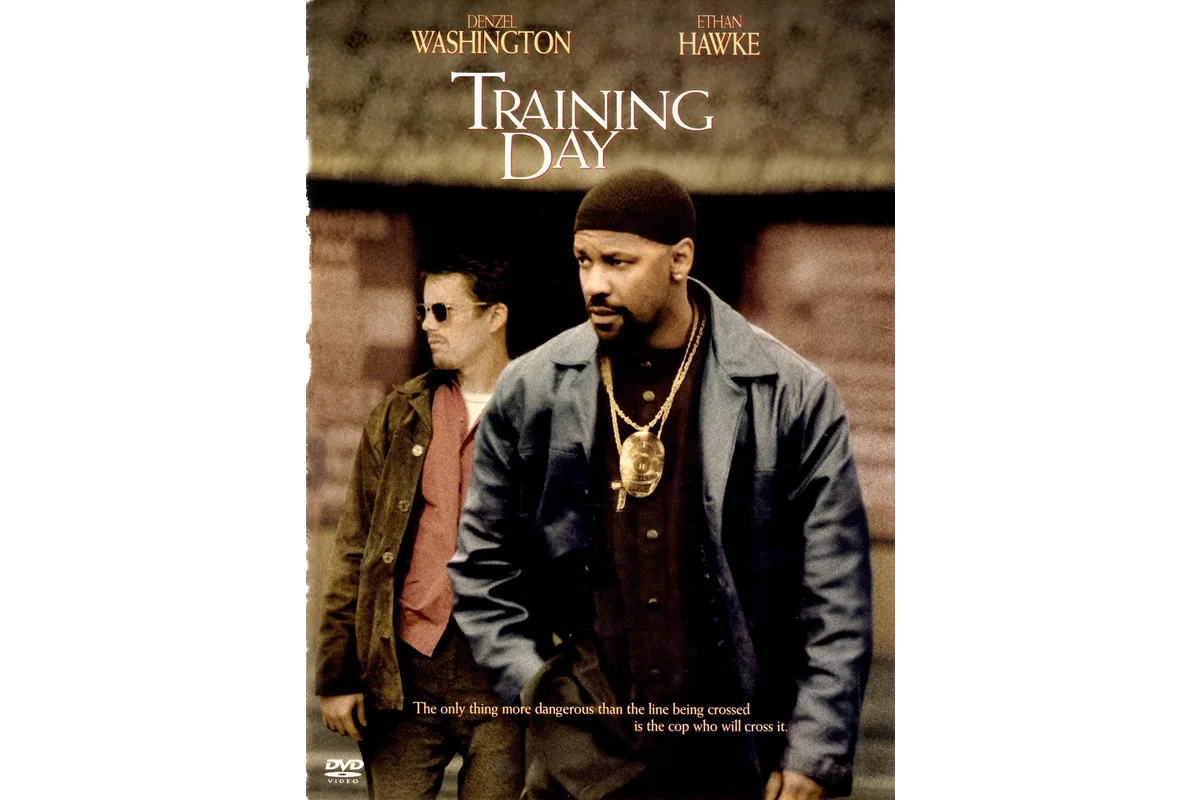
Denzel Washington‘s Training Day role was a turning point, both for his career and for representation at the Oscars. In 2001, Washington became the second Black man to win the Academy Award for Best Actor, nearly four decades after Sidney Poitier’s groundbreaking win for Lilies of the Field in 1964. This achievement came after years in which notable Black actors such as James Earl Jones, Morgan Freeman, and Laurence Fishburne received nominations but did not take home the top prize. Washington’s portrayal in Training Day finally broke that streak, continuing a legacy that began with Poitier and underscoring a moment of progress for African-American performers in Hollywood.
Choosing Alonzo Harris: Insight from Family
Before Training Day, Washington was already recognized as one of Hollywood’s most accomplished actors, with a previous Oscar win as Best Supporting Actor and two nominations for lead roles. The decision to take on the part of Alonzo Harris, a morally corrupt narcotics detective, was not only driven by the script but also by advice from someone very close to him. During an interview with The Oklahoman, Washington explained how his son played a crucial role in the decision-making process.
“The only reason I haven’t done anything like that before is I haven’t read anything like that before,”
Denzel Washington, Actor.
“Nobody gave it to me to read. I read it, I said, ‘Oooh, I’m playin’ this part’. In fact, I gave my son, my oldest boy, two scripts to read… He said, ‘Dad, you gotta play that one’. I said, ‘Really?’ I hadn’t even read it. I said, ‘Why?’ He said, ‘Oh, ’cause he’s rough, he’s bad. Nobody’s seen you do that. You gotta do that one’. He was right.”
– Denzel Washington, Actor
Breaking Stereotypes with a Villainous Performance
Up to that point, Denzel Washington was mostly cast as a hero or a champion for justice. His earlier Oscar-nominated roles were based on real individuals like Rubin Carter, the boxer wrongfully convicted of murder in The Hurricane, and the transformative civil rights leader Malcolm X in Spike Lee’s biographical film. The industry regarded Washington as vital in attracting Black cinemagoers, which made the prospect of him playing a villain intimidating for studios and directors. Taking on the role of Harris allowed Washington to display a darker, more complex side of his acting, which he continues to consider one of his best performances.
The Overlooked Contribution of John David Washington
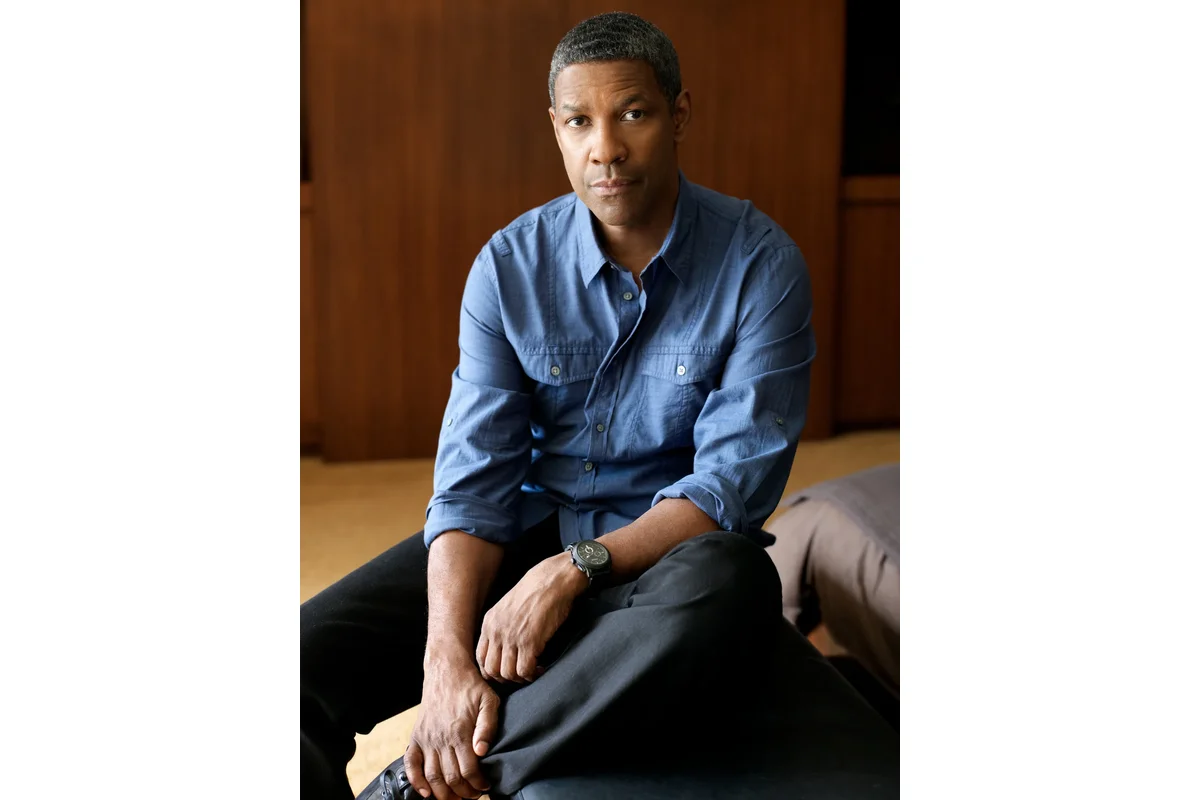
At the time Washington was offered the role, his oldest son was about eighteen years old, excelling as a college football player and on track to join the professional ranks with the United Football League’s Sacramento Mountain Lions. Eventually, John David Washington shifted his focus from sports to performing, ultimately following his father into acting. Today, he is recognized as the star of films such as BlacKkKlansman, Tenet, and The Piano Lesson, building his own reputation in the industry.
Though it may be tempting to imagine that reading the Training Day script set John David on the path to acting, the reality is that his input significantly influenced his father’s career, affirming that talent and intuition run deep in their family. The advice John David gave his father helped create a defining moment not only for Denzel Washington but also for cinematic history, as the film and his role have become iconic benchmarks in the careers of both men.
Training Day’s Enduring Legacy and Its Wider Impact
Denzel Washington’s decision to accept the Training Day role, encouraged by his son, resonated far beyond the awards ceremony. By playing Alonzo Harris, Washington defied longstanding expectations and demonstrated the depth of his talent, paving the way for more diverse and challenging performances by Black actors in mainstream cinema. As both Washington and his son John David continue to make waves in entertainment, their shared involvement in shaping this defining moment underscores how personal guidance can alter the course of cinematic history and representation in Hollywood.