
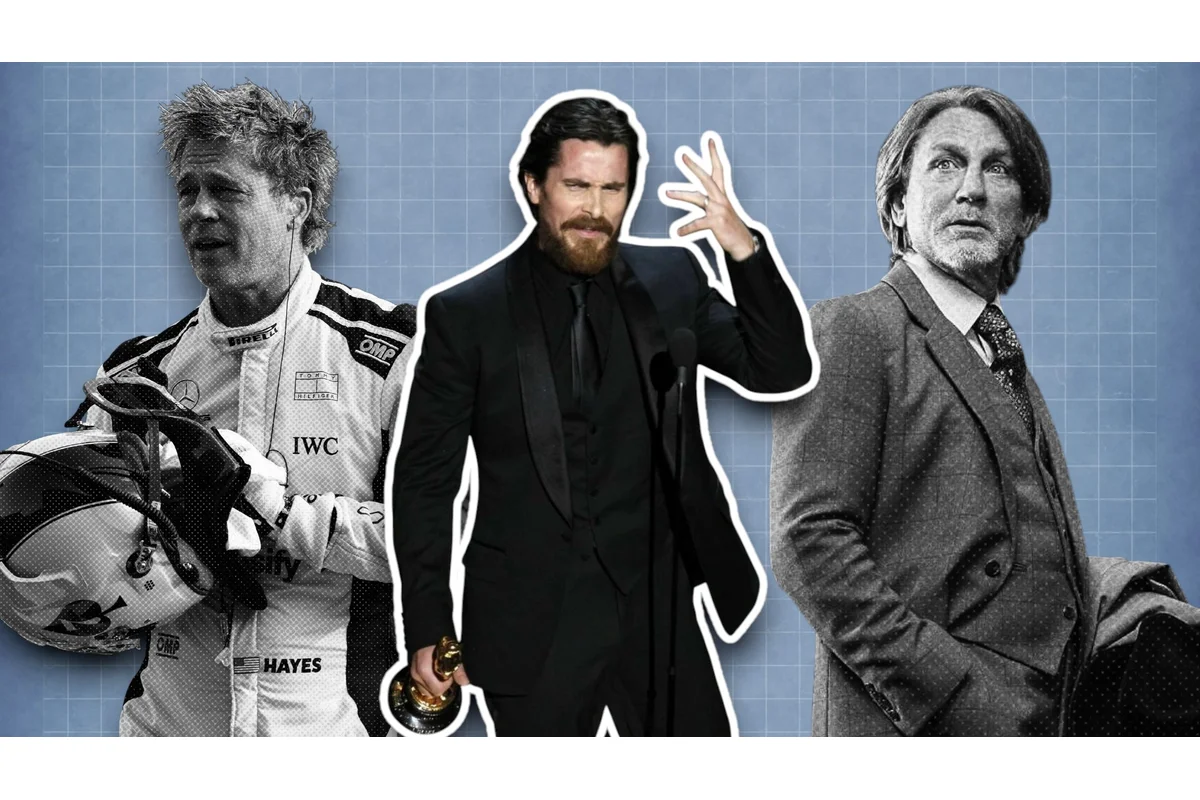
Christian Bale became embroiled in a significant incident now known as the Christian Bale China controversy when he attempted to visit dissident Chen Guangcheng during a promotional tour in China in 2011. The tense clash unfolded against the backdrop of Bale’s role in the film “The Flowers of War,” and raised critical questions about censorship and government opposition in the country.
Bale’s Role in “The Flowers of War” and His Presence in China
While Christian Bale is internationally recognized for his intense screen performances, such as in “The Dark Knight,” his participation in “The Flowers of War” brought him to Chinese audiences in 2011. Directed by Zhang Yimou, the film, a joint project between China and Hong Kong, depicts the Nanjing Massacre, a harrowing episode during the Second Sino-Japanese War in which the Imperial Japanese Army reportedly killed between 100,000 and 200,000 civilians and POWs. Bale portrays John Miller, an American caught up in the brutal realities unfolding in Nanjing.
Given the film’s significance to Chinese cultural memory and its sensitive historical context, Bale spent time in the country as part of the movie’s promotional campaign. However, China’s political climate can quickly become hazardous for international figures who appear to support those at odds with the Communist Party. Bale’s experience soon illustrated this reality in stark terms.
The Confrontation During Bale’s Attempted Visit to An Activist
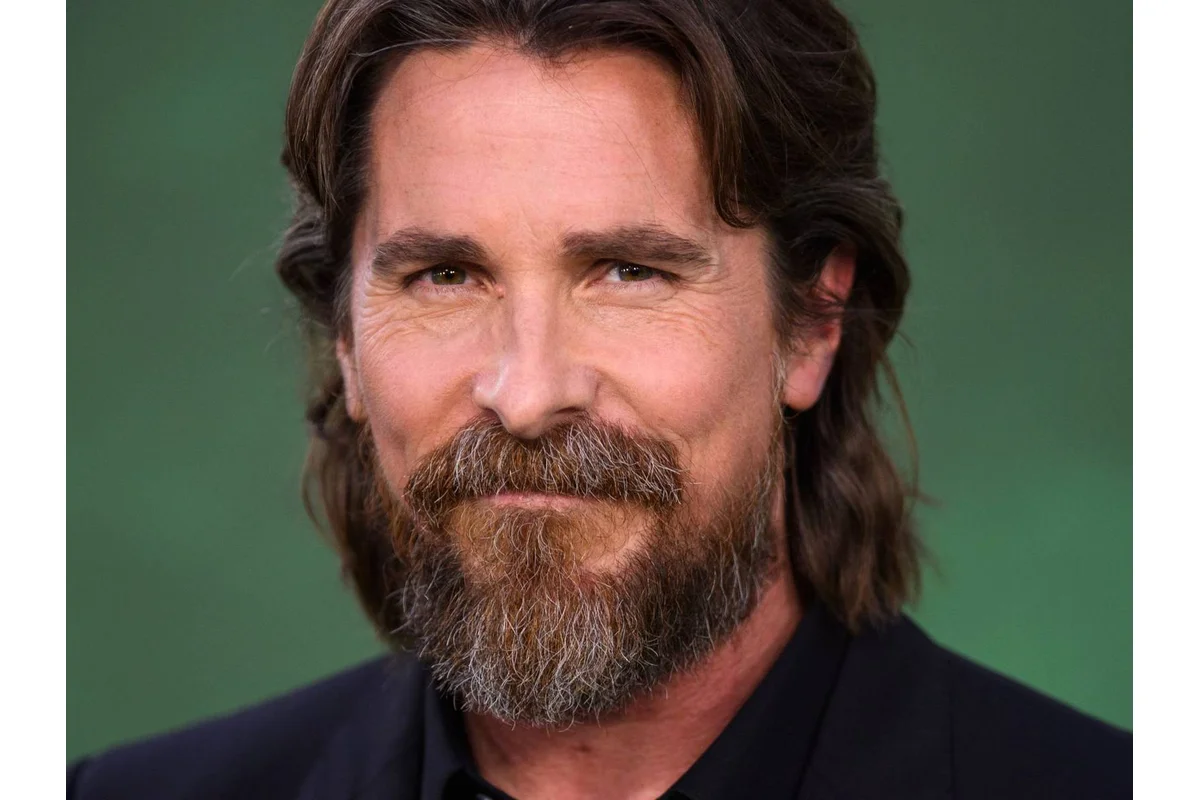
During his stay, Bale attempted to meet Chen Guangcheng, a renowned legal activist known for challenging the authorities in Shangdong province over enforcement of population control measures. Bale’s effort was thwarted at Chen’s residence by security forces, who also attempted to block a television crew from recording the event. The tense confrontation made headlines and placed Bale directly at odds with China’s official stance on dissidents.
“What I really wanted to do was to meet the man, shake his hand and say what an inspiration he is,”
Bale told CNN. The Chinese Foreign Ministry responded negatively, with spokesperson Liu Weimin declaring in a public statement that Bale’s actions should have made him feel embarrassed. Liu also stated,
“[Bale] was not invited to create a story or shoot film in a certain village,”
and added pointedly,
“I think if you want to make up news in China, you will not be welcome here.”
– Liu Weimin, Foreign Ministry spokesman
Chen Guangcheng’s Background and the Broader Impact
Chen Guangcheng has long been viewed as one of the most prominent critics of China’s policies. Described as a “barefoot lawyer,” he rose to national and global attention in 2005 after attempting to sue local authorities in Shangdong for harsh enforcement of the ‘one child’ policy, allegedly involving forced abortions. Chen’s activism led to his imprisonment from 2006 to 2010, followed by continued house arrest until his dramatic flight to the United States in 2012. This history set the stage for the heightened caution and hostility that greeted Bale’s high-profile visit.
Bale’s situation is part of a wider pattern involving notable entertainers and their interactions with Chinese authorities. For instance, John Cena issued a public apology after his comments about Taiwan’s status provoked backlash, while Richard Gere faced long-term blacklisting from Hollywood projects due to his outspoken advocacy for Tibetan autonomy and his criticism of government actions in Tibet. These examples underscore the considerable risks for international public figures engaging with politically sensitive topics in China.
Censorship, Celebrity, and China’s Controversies
The conflict involving Christian Bale and Chen Guangcheng is a landmark case highlighting the rigorous limitations on free expression and active censorship in China. From restricting internet content to public refusals of celebrity participation, such incidents demonstrate the serious consequences that can arise when prominent figures challenge—or are perceived to challenge—government authority. Widespread censorship has even extended to banning seemingly innocuous cultural phenomena, such as memes related to fictional characters, further reflecting the government’s vigilance over what is publicly shared and discussed.
The Christian Bale China controversy serves as a powerful example of how Western celebrities can quickly become embroiled in complex political disputes, and raises pressing questions about speech, advocacy, and censorship for those in the international spotlight. As censorship continues to affect all aspects of communication within China, this episode highlights the uncertain and often perilous landscape for those willing to support government critics or address contentious historical issues.

