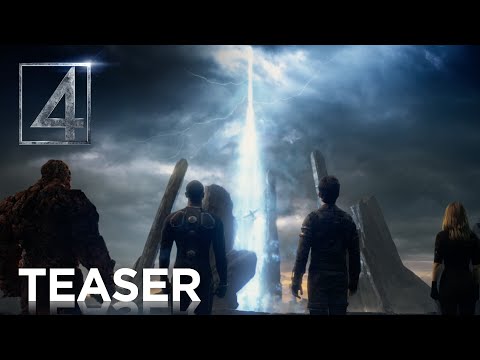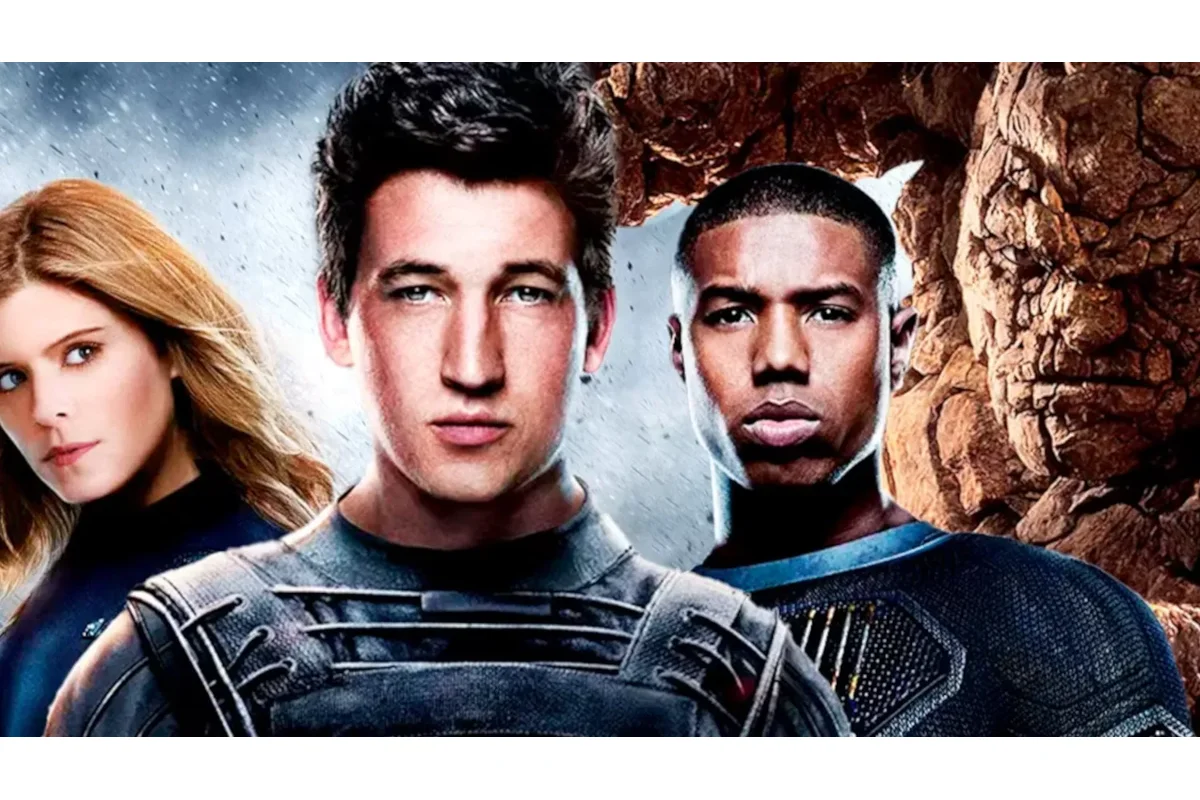
Miles Teller has spoken candidly about the difficulties surrounding the 2015 film Fantastic Four, also known as Fant4stic, indicating he saw major trouble ahead for the project. The actor, who played Reed Richards and was central to the cast, reflected on the behind-the-scenes problems and cast experiences, touches which have long been speculated about by fans and industry insiders. The phrase “Miles Teller Fantastic Four trouble” has drawn renewed focus to the failed comic book adaptation as Teller sheds light on the production’s unraveling.
Anticipating Failure Before the Premiere
From the early stages of production, Miles Teller recognized that the film faced significant challenges. The lead actor, who played a young Reed Richards, discussed how uncertain he felt after first viewing the finished movie. In his words,
“When I first saw the movie, I remember talking to one of the studio heads, and I was like, ‘I think we’re in trouble,’”
said Miles Teller, Actor, in his interview with Andy Cohen on SiriusXM’s Radio Andy.
This foreboding feeling was further underlined by Teller’s hopes for the ensemble cast. The casting included Michael B. Jordan, Jamie Bell, Kate Mara, Tim Blake Nelson, and Toby Kebbell, all recognized actors at pivotal points in their careers.
“…especially as a young actor, at that time, it’s like, ‘All right, if you wanna be taken seriously as a leading man, you gotta get on this superhero train.’ And that was our chance, and the casting, I thought, was spectacular. I love all those actors,”
said Miles Teller, Actor.
Behind-the-Scenes Conflicts and Blame
Teller’s recollections extend beyond his initial reactions to implicate leadership on set for the film’s ultimate failure. He reflected on the collective effort, noting,
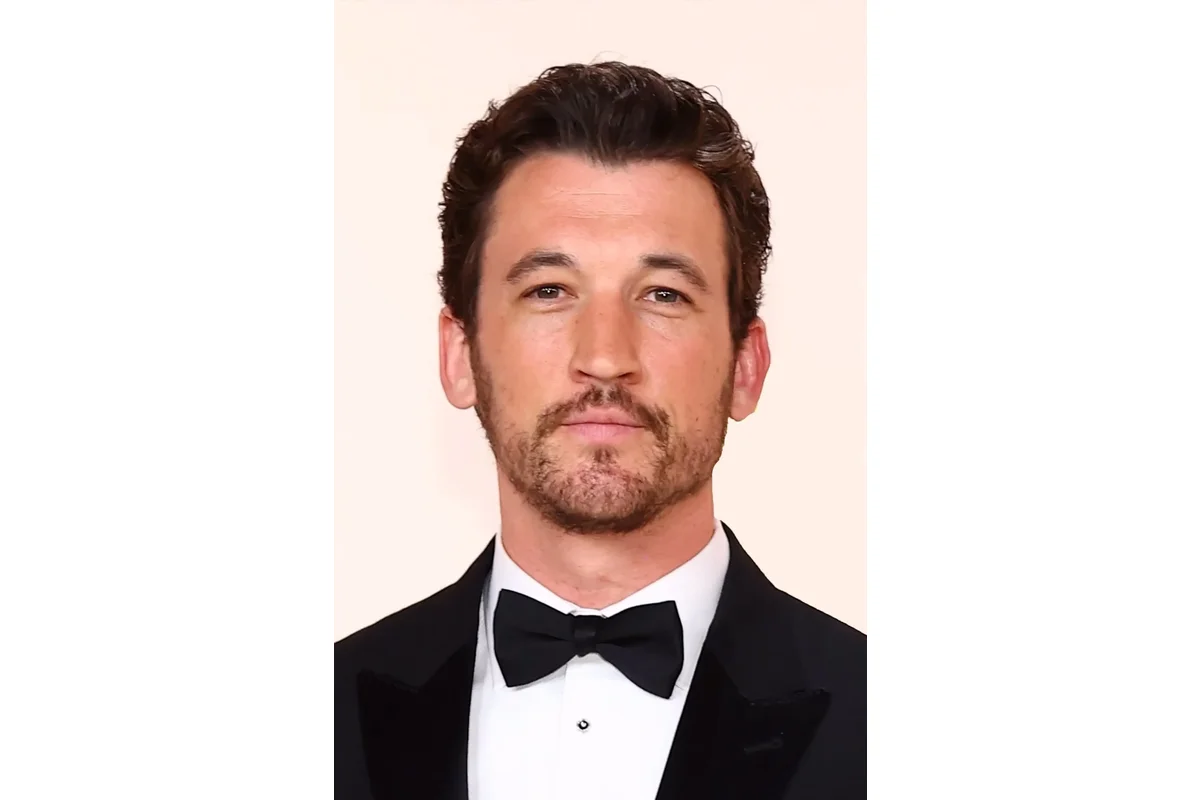
“I think it’s unfortunate for that, because so many people worked so hard on that movie. And honestly, maybe there was one really important person who kind of f–ed it all up. Yeah,”
said Miles Teller, Actor.
Though Teller refrained from naming anyone specifically, many observers have connected his remarks to director Josh Trank. The director was a rising talent after his previous work on Chronicle, prompting 20th Century Fox to put substantial trust in his vision. However, the production reportedly suffered from tensions, with disputes between Trank and cast members including Teller himself. Reports surfaced that their disagreements almost escalated to physical confrontation during filming.
Kate Mara, who played Sue Storm, later shared that her experience on set was deeply negative, with some accounts pointing to director Trank’s cold and at times cruel approach, particularly because Mara was cast over his objections. Such controversies fueled the ongoing conversation about why the project failed to come together as intended.
Studio Intervention and Director’s Response
Dissatisfaction with the production extended beyond internal set dynamics. 20th Century Fox ordered substantial reshoots, particularly around the ending, seeking to salvage the troubled film. Director Josh Trank publicly distanced himself from the result, using social media to voice his frustration and hint at unseen footage. Trank stated,
“A year ago, I had a fantastic version of this. And it would’ve received great reviews. You’ll probably never see it. That’s reality, though.”
— Josh Trank, Director.
Impact on the Cast and Comic Book Franchise
The fallout from Fant4stic’s failure was strongly felt by its cast, including Tim Blake Nelson, Michael B. Jordan, Jamie Bell, Kate Mara, and Toby Kebbell, all of whom had high expectations for the project’s potential to launch or grow their careers in the superhero film genre. For fans and analysts, the movie’s disappointing release is often cited as one of the most notable disasters in comic book film history. Miles Teller’s account provides new clarity on the internal struggles and missed opportunities that defined the film’s troubled journey to the big screen.
As audiences anticipate future adaptations of the beloved “Fantastic Four” characters, the lessons learned from the 2015 film continue to shape industry conversations about casting, directorial control, and the stakes involved in superhero franchises.