
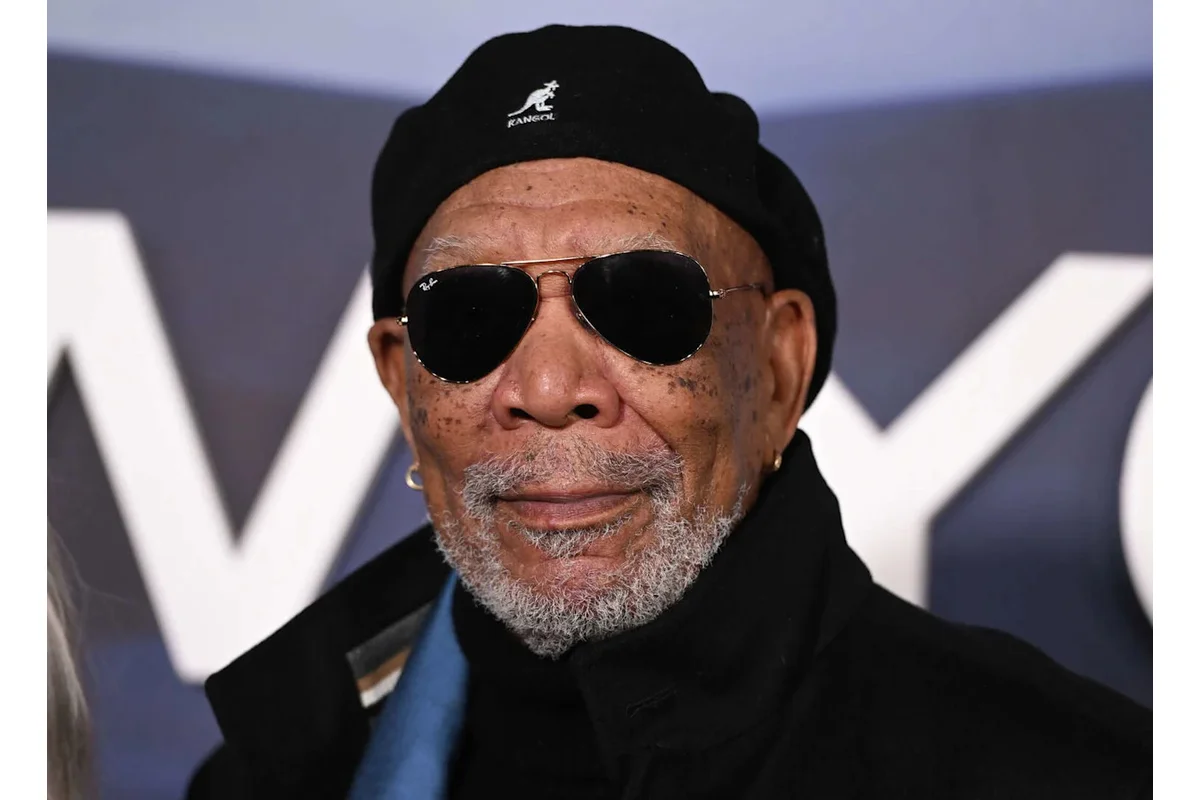
Concerns over Morgan Freeman AI voice rights have reached a new level, as the acclaimed actor pursues legal action against unauthorized use of his voice in AI-driven deepfakes, while Michael Caine takes a starkly different approach by embracing technology through an official partnership with an AI company. This divide highlights a growing rift within the entertainment industry as it grapples with the ethical and practical consequences of artificial intelligence recreating human voices.
Freeman Confronts Deepfake Threats to His Legacy
Artificial intelligence, once the realm of fiction, now poses real challenges, particularly for celebrities whose voices and likenesses are targets for digital impersonation. Deepfakes have enabled individuals to generate convincing audio mimics of famous personalities—sometimes for financial gain and without permission. In response, Morgan Freeman, celebrated for his distinctive narrative style, has taken an assertive legal stance to guard his vocal identity from AI misuse.
Freeman’s legal team is increasingly active, with numerous cases currently in motion regarding unapproved AI reproductions of his voice. This comes after a high-profile incident on TikTok, which drew Freeman’s attention and catalyzed his latest round of actions. Freeman stated,
“I’m a little PO’d, you know,”
—Morgan Freeman, Actor. He elaborated,
“I’m like any other actor: don’t mimic me with falseness. I don’t appreciate it, and I get paid for doing stuff like that, so if you’re gonna do it without me, you’re robbing me.”
—Morgan Freeman, Actor.
AI Characters Stir Both Alarm and Interest
The debate over digital impersonation in cinema has sharpened, fueled by the emergence of virtual personas like Tilly Norwood. Though not a real individual and reportedly constructed from composite features, Tilly has attracted agent interest, raising alarms about the potential of AI figures displacing human actors. Freeman voiced his disapproval, saying,
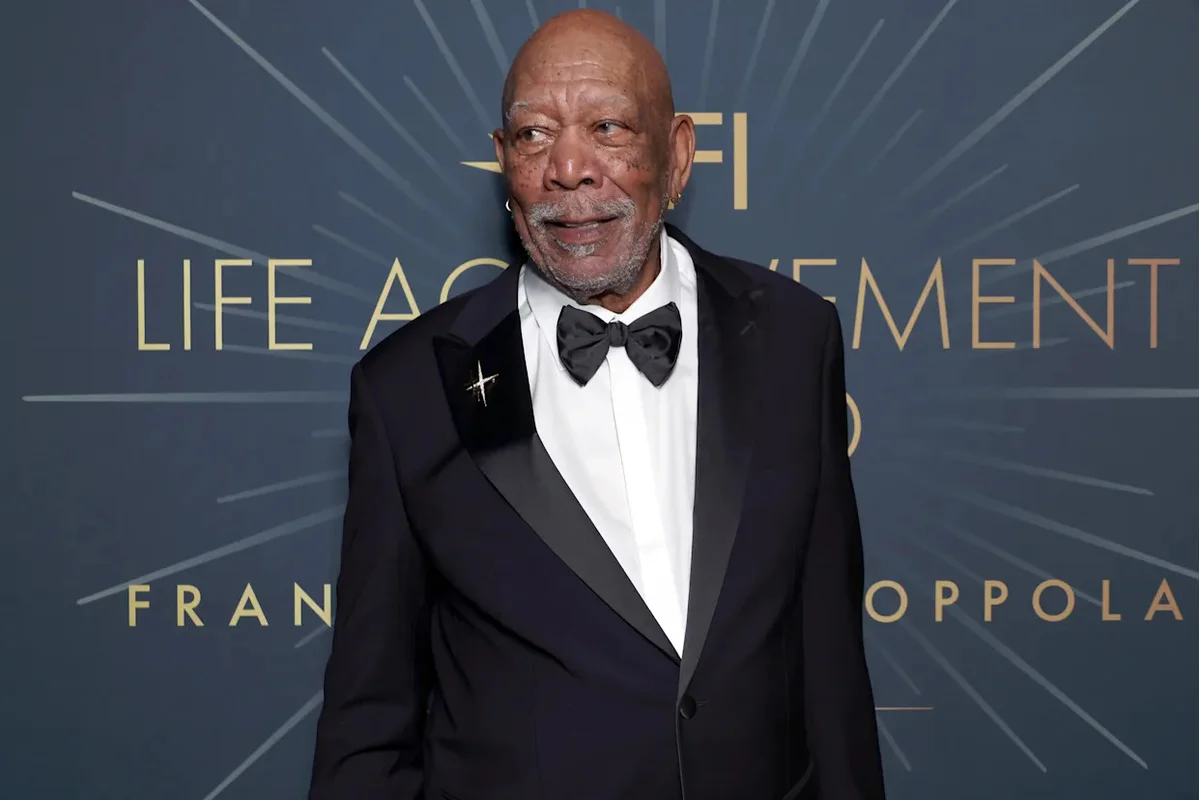
“Nobody likes her because she’s not real and that takes the part of a real person, so it’s not going to work out very well in the movies or in television,”
—Morgan Freeman, Actor. He further remarked,
“The union’s job is to keep actors acting, so there’s going to be that conflict.”
—Morgan Freeman, Actor.
Within Hollywood, this concern is hotly debated, with some performers siding with Freeman in defense of artistic and economic interests, while others see new creative opportunities in cooperation with technology firms.
Michael Caine’s Strategic Embrace of AI Collaboration
Offering a contrasting perspective, Michael Caine—Freeman’s co-star from major films like Now You See Me and The Dark Knight trilogy—has opted to partner with ElevenLabs, an AI company specializing in voice synthesis. Caine and actor Matthew McConaughey have both entered agreements with ElevenLabs to license their voices for use in projects like audiobooks and narration, expanding the reach of their talents beyond traditional mediums.
ElevenLabs asserts that its Iconic Voice Marketplace addresses
“a key ethical challenge in AI-driven media creation by enabling the ethical sourcing and licensing of some of the world’s most recognizable voices.”
—Variety. Caine’s rationale is personal and philosophical, as he said,
“For years, I’ve lent my voice to stories that moved people – tales of courage, of wit, of the human spirit. Now, I’m helping others find theirs. With ElevenLabs, we can preserve and share voices – not just mine, but anyone’s. ElevenLabs is at the very forefront of technology, using innovation not to replace humanity, but to celebrate it.”
—Michael Caine, Actor.
Caine reinforced his stance with,
“ElevenLabs gives everyone the tools to be heard. It’s not about replacing voices; it’s about amplifying them, opening doors for new storytellers everywhere. I’ve spent a lifetime telling stories. ElevenLabs will help the next generation tell theirs.”
—Michael Caine, Actor. Mati Staniszewski, co-founder of ElevenLabs, described Caine as
“an iconic creator and voice whose cultural and artistic consequence we hope will only be further championed through this platform.”
—Mati Staniszewski, Co-founder, ElevenLabs. Staniszewski added, their platform
“demonstrates how AI can responsibly expand opportunities for studio and talent, while enhancing storytelling.”
—Mati Staniszewski, Co-founder, ElevenLabs.
Looking Ahead: Navigating Rights, Ethics, and Opportunity
While Freeman remains firmly opposed to unauthorized use of his vocal signature, the landscape could shift if platforms such as ElevenLabs’ Iconic Voice Marketplace offer celebrities greater control and fair compensation. For now, this split embodies a wider industry struggle to balance artists’ rights with the transformative potential of AI technology. Morgan Freeman AI voice rights are likely to remain a major point of contention as more actors, agencies, and studios wrestle with the rapid advance of sound synthesis, deepfakes, and digital avatars.
Those invested in the future of storytelling—whether in film, literature, or emerging digital forms—will need to wrestle with these fundamental questions, as figures like Freeman and Caine blaze opposing trails through an era marked by technological disruption and creative reinvention.
