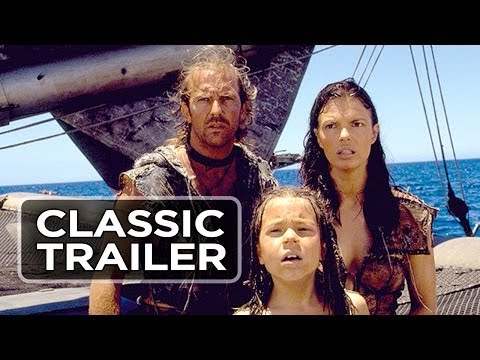
Kevin Costner’s directing decisions took center stage during the production of Waterworld when he reportedly turned down acclaimed filmmaker Robert Zemeckis in favor of his friend, Kevin Reynolds, determining the direction and fate of the costly blockbuster. Despite intense setbacks, Costner’s influence at Universal Studios shaped the final line-up behind the camera, affirming his deep involvement in the movie’s trajectory.
Costner’s Early Successes and Ambition
Kevin Costner launched his directorial reputation with “Dances with Wolves,” investing substantial personal funds to make the project a reality. The risk was rewarded, earning him two Oscars for Best Picture and Best Director. Convinced of his own abilities, Costner continued to pour resources into his films, expecting similar outcomes, but subsequent projects failed to replicate that celebrated debut.
His next big swings in Hollywood included not only “Dances with Wolves” but also future endeavors like “Horizon” and other self-financed movies such as “Black or White” and “Swing Vote.” Yet, none generated the acclaim or profitability of his first directing triumph, and complications multiplied as costs mounted and completion lagged behind expectations.
The Waterworld Controversy and Director Debate
“Waterworld,” once the most expensive Hollywood production, was a challenge from the start. Although it eventually made money through home video sales, television licensing, and a theme park attraction, the movie’s theatrical run was marked by near-constant setbacks, production overruns, and public scrutiny.
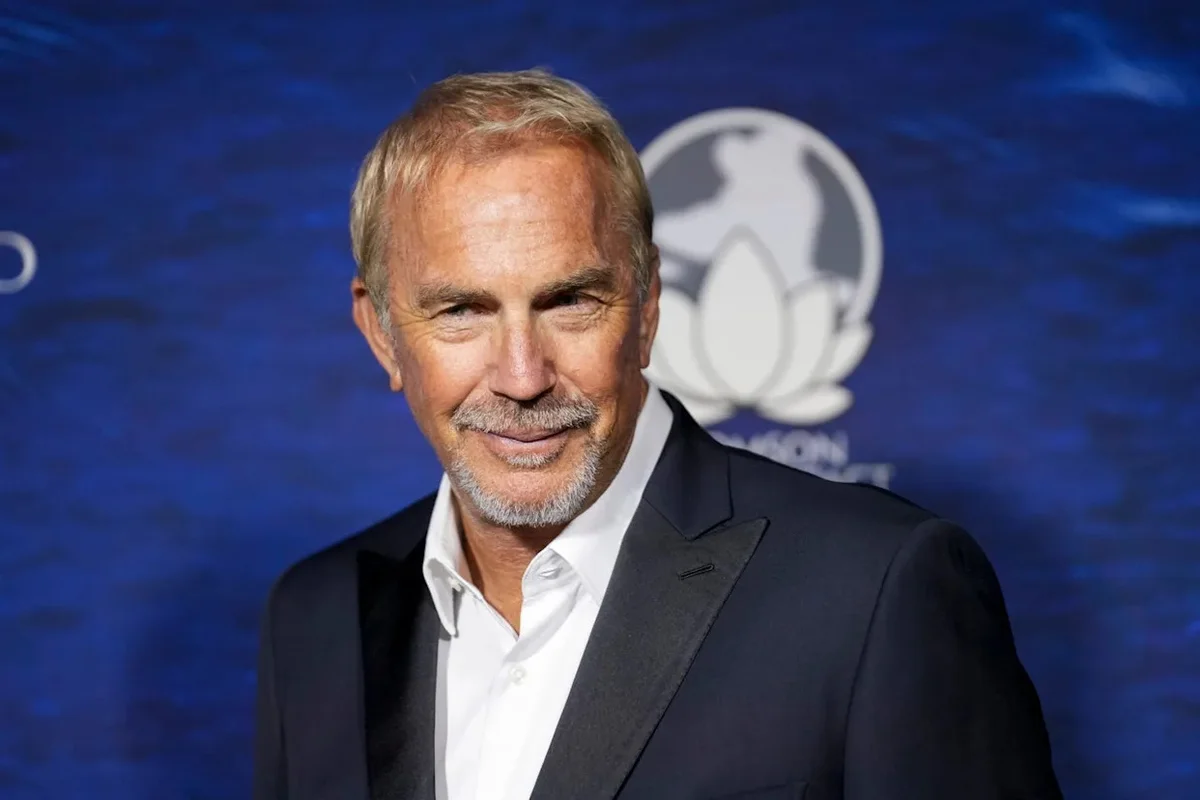
Universal Studios executives, aiming to contain the chaos, looked for a director who could handle such a large-scale film.
Directing a movie of this size is akin to being a general,
said Universal Studios chairman Thomas Pollock, The Wall Street Journal, January 1995.
You want somebody who will be decisive in issuing orders and marshalling the troops on the battlefield.
Thomas Pollock, Universal Studios chairman
At that moment, Robert Zemeckis was at the peak of his career, freshly honored for “Forrest Gump,” which had grossed nearly $700 million in theaters and secured multiple Oscars, including Best Picture and Best Director. Given his credentials, Zemeckis appeared an ideal candidate to steer Waterworld clear of peril.
Costner’s Ultimatum and Studio Decisions
Costner, however, wielded directorial veto rights as both Waterworld’s star and producer. Leveraging this authority, he rejected Zemeckis outright, demanding his friend Kevin Reynolds be hired instead and threatening to depart the project otherwise. The studio, with little recourse, accepted Costner’s condition, appointing Reynolds after being handed an ultimatum they could scarcely ignore.
This pivotal choice did not yield the intended results. As production costs soared and box office returns diminished, the relationship between Costner and Reynolds deteriorated under pressure, culminating in regret for everyone involved. Costner himself later struggled to justify his determination, stating,
I can’t even put into words why I wanted to believe in him,
Kevin Costner, July interview, as the effects of a costly misjudgment became unmistakably clear.
Aftermath and Broader Impact on Hollywood
Speculation persists on how Waterworld might have fared under Zemeckis’s creative leadership, particularly given his reputation for integrating advanced CGI and his string of recent successes. The alternate scenario, however, never materialized, as Costner’s confidence in his vision guided the fateful choice. Zemeckis was quickly dismissed from consideration, and Waterworld proceeded under Reynolds with underwhelming results.
The saga underscores the far-reaching consequences of individual control in film production, highlighting how star power and personal loyalty can override studio strategy and established expertise. In the end, Waterworld stands as a cautionary tale about directing decisions and the unpredictable fallout of Hollywood’s internal power struggles.