
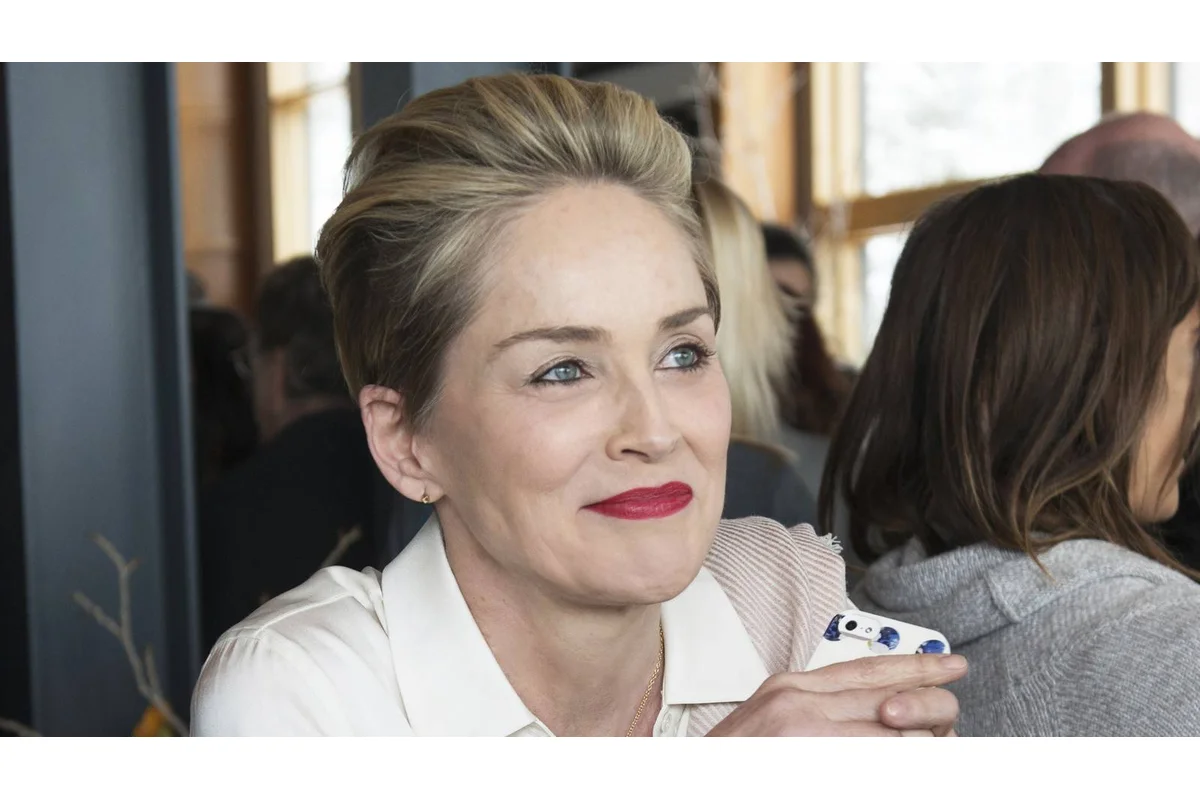
Steven Soderbergh’s experimental HBO miniseries, Mosaic, stands as one of his boldest ventures, debuting at the height of the filmmaker’s ongoing quest to upend genre norms and cinematic expectations. Premiering as both an interactive mobile app and a televised drama in late 2017 and early 2018, Mosaic exemplifies Soderbergh’s commitment to pushing storytelling boundaries while collaborating with high-profile talent like Sharon Stone and innovating within the mystery genre.
Soderbergh’s Unmatched Drive for Experimentation
Over a prolific career marked by genre fluidity and formal risks, Steven Soderbergh has shown a unique willingness to alternate between blockbusters starring the likes of George Clooney and Matt Damon, then pivot to fiercely experimental projects shot on minimal budgets and unconventional devices. After winning acclaim for mainstream features such as Traffic and Ocean’s Eleven, Soderbergh briefly stepped away from film, only to return with renewed enthusiasm for streaming platforms and serialized television. Mosaic, launched soon after his directorial hiatus ended in 2013, is perhaps the clearest testament to his fearless embrace of uncharted creative territory and the flexibility he brings to cinematic form.
This willingness to adopt new approaches became particularly clear as Soderbergh, after his stint directing the Cinemax series The Knick, began blending classic genres with evolving media forms. Through alliances with writers such as Ed Solomon, Soderbergh entered the crowded landscape of peak television with an intent to disrupt, using Mosaic as a platform to infuse the familiar murder mystery with unprecedented interactivity and new perspectives.
An Interactive Film Reimagined for Television
Long before most directors were contemplating mobile-first content, Soderbergh conceived Mosaic as a groundbreaking interactive experience, available initially as an app on iOS and Android. Sharon Stone led the cast, joined by Garrett Hedlund, Frederick Weller, Beau Bridges, Paul Reubens, and Devin Ratray, in a narrative centered on the murder of Olivia Lake, a successful children’s book author. Through the app, viewers participated directly in the investigation, choosing character viewpoints and navigating the multilayered story through flashbacks and personal revelations.
The app’s seven-and-a-half hours of exclusive material, according to Soderbergh in a Vulture interview, allowed audiences to immerse themselves in the puzzle, much like a digital-age version of Clue. This new model merged video game logic with cinematic storytelling, giving critics reason to question whether the experiment would translate to screens or remain an ambitious novelty best suited for mobile devices. Nonetheless, Mosaic’s mobile launch opened doors for a hybrid approach to television drama, setting a new precedent for interactive narratives and how audiences could engage directly with content.
The Story: Subversion and Complexity in a Murder Mystery
Eventually, Mosaic was edited and re-shaped into a six-part miniseries for HBO, preserving the central mystery but altering the experience for a conventional viewing audience. The story begins with Olivia Lake’s life in the spotlight, where she encounters Joel Hurley, a young artist played by Garrett Hedlund, at a party she hosts, and Eric Neill, depicted by Frederick Weller, who is coaxed by Michael O’Connor, Olivia’s obsessed neighbor (James Ransone), into a dubious plot involving her property. Eric’s change of heart and his candid confession of love quickly unravel into rejection and tragedy, as Olivia’s murder sets forth a police investigation with uncertain motives, casting doubt on each character’s intentions and leaving Eric accused.
“Episodes contain awkward cuts that disrupt narrative flow, and the frequent use of close-ups and conversation shots in confined spaces remind viewers of its origins as an iOS/Android app.”
– Critics
Soderbergh’s decision to adapt Mosaic from an interactive film to a straight narrative on HBO introduced an unusual, sometimes disjointed rhythm. The series retained the close, sometimes claustrophobic framing and pacing reminiscent of the original app format. Although the playful, choose-your-own-adventure element was largely lost in translation, Mosaic continued to showcase Soderbergh’s singular vision and his skill at creating unease and emotional ambiguity.
Shooting Style: The Influence of Technology
In pursuit of a distinct visual style, Soderbergh relied on unconventional tools—some episodes of Mosaic were shot on an iPhone, mirroring techniques he later applied in films like Unsane and High Flying Bird. This choice imparted a chilly, detached feel to the series, with muted palettes and dynamic compositions that unsettled viewers. The sterile, digital-infused setting of Mosaic acted as a thematic echo for its exploration of modern relationships and the isolating side of technological advancement—elements woven into both narrative and aesthetic choices.
“Each setting in Mosaic has a chilling, icy cloud hanging over it, complementing the sterile nature of everyday life in a world consumed by digital technology.”
– Critics
Sharon Stone’s performance as Olivia Lake reflected this tone, her emotionally restrained delivery enhancing the series’ sense of underlying discomfort and ambiguity. Frequent close-ups and limited settings further capitalized on the intimacy and fragmentation made possible by smartphone cameras, underscoring the alienation at the heart of both the crime and the story’s characters.
Mosaic in Context: Soderbergh’s Latest Creative Evolution
Though Steven Soderbergh made his reputation with titles like Erin Brockovich and Sex, Lies, and Videotape, his recent years have been marked by ever greater experimentation. Mosaic falls into line with projects such as High Flying Bird and Black Bag, both of which use genre fundamentals to probe deeper issues: labor relations in the NBA, or interpersonal deception among spies and spouses. In Mosaic, the focus is on the intricate ties between surrogate mothers, sons, and brothers, as they navigate loyalty, ambition, and shifting allegiances in pursuit of conflicting goals.
“The beauty of Mosaic, which deserves a second shot from viewers who bailed ship, is that it focuses on the thorny relationships between surrogate mothers, sons, and brothers with shared interests but varying ways of realizing their goals.”
– Critics
Although Mosaic struggled for broad mainstream attention on HBO, overshadowed by the scale of the network’s offerings and Soderbergh’s prolific output, its innovative approach and emotional intricacy have fostered a small but dedicated following. As with so many of the director’s works, time may ultimately favor the series, rewarding its willingness to take risks and confound genre norms.
Main Cast of Mosaic
The ensemble for Mosaic featured several notable talents inhabiting the story’s complex web of relationships:
1. Frederick Weller as Eric Neill – The conflicted con artist whose shifting motivations are central to the murder investigation.
2. Jennifer Ferrin as Petra Neill – Connected to the main plot, Petra brings additional family tension into the story.
3. Paul Reubens as JC Schiffer – An important figure in Olivia Lake’s social circle, offering alternative perspectives.
4. Sharon Stone as Olivia Lake – The victim at the heart of the mystery, Stone’s layered performance drives much of the tension and uncertainty.
The Lasting Significance of Mosaic
Steven Soderbergh’s experimental HBO miniseries Mosaic may have faded from immediate public memory, but it stands as a compelling case study in what happens when creative risk and emerging technology intersect. Its blended identity as both an interactive digital experience and a conventional television drama opened new paths for storytelling, setting it apart from traditional network offerings. For viewers interested in the boundaries of visual narrative and the evolution of genre, Mosaic remains a rewarding and thought-provoking watch—a fitting reminder that Soderbergh’s restless inventiveness continues to shape not only the mystery genre but the broader future of cinematic storytelling.
