
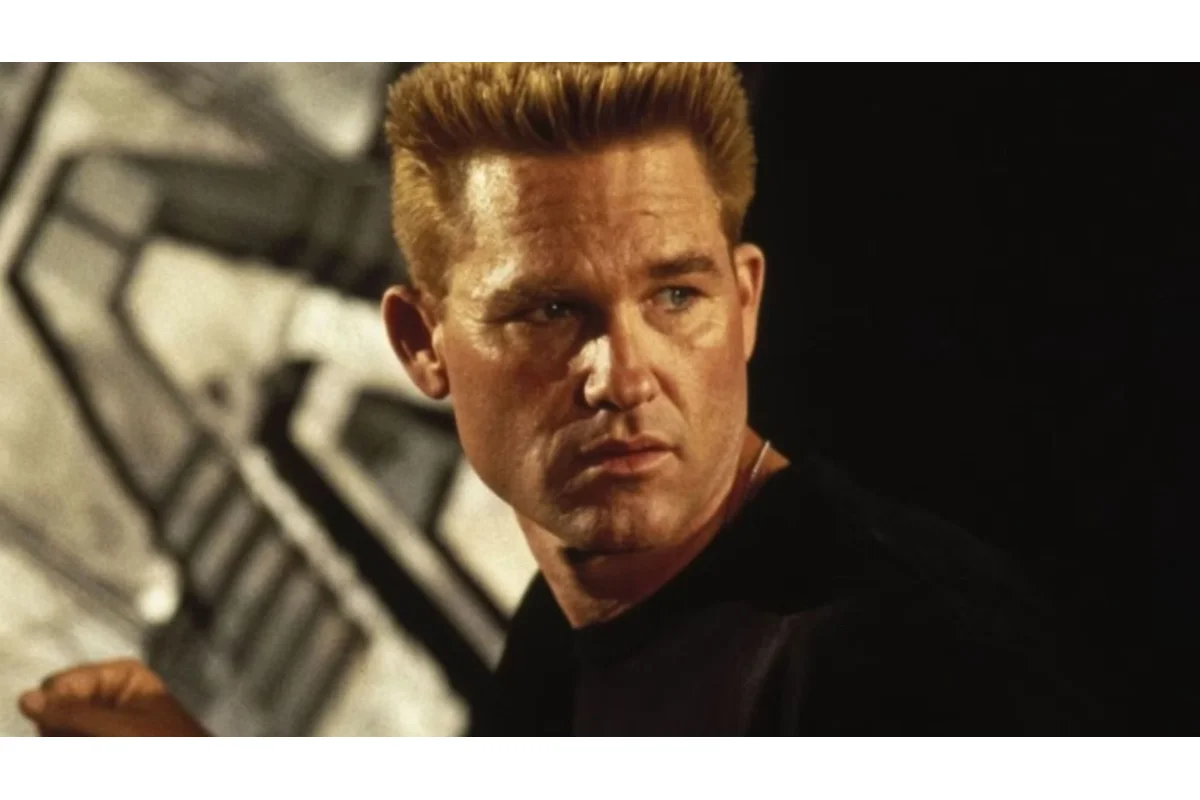
Kurt Russell sci-fi legacy spans decades, marked by genre-defining performances and overlooked classics. While often overshadowed by prominent stars like Keanu Reeves and Sigourney Weaver, Russell’s enduring contributions have left an indelible mark on the world of science fiction across both film and television.
From Disney Beginnings to Cult Sci-Fi Stardom
Throughout cinema history, actors of all backgrounds have been drawn to science fiction, a playground of imagination that mirrors and distorts reality. Some performers dabble briefly, while others make sci-fi a recurring hallmark in their careers. Kurt Russell’s science fiction journey began in 1969 with Disney’s “The Computer Wore Tennis Shoes,” where he played Dexter Riley, a college student who transforms into a literal human computer after a freak bout of electrocution. The movie was not a major box-office draw, but it revealed Russell’s early willingness to embrace unconventional, futuristic roles.
Many actors would have moved on after a modest start, yet Russell persisted, leading to his critically lauded role in John Carpenter’s “The Thing” (1982). This claustrophobic horror crossed with science fiction gave Russell a resume piece envied by many. However, among all his roles in the genre, a particular film stands out as an underappreciated pillar of his sci-fi legacy—one that, even with a cult following, rarely gets recognized amidst his more famous outings.
Launching a Sci-Fi Universe with ‘Stargate’
While some science fiction franchises become legendary due to remakes or television reimaginings, the original work sometimes fades from memory. This dynamic is evident with “Battlestar Galactica,” yet an even clearer example is “Stargate.” Many fans are familiar with the acclaimed series “Stargate SG-1,” but fewer acknowledge the 1994 movie that sparked this sprawling universe.
Directed by Roland Emmerich, a filmmaker renowned for his large-scale disaster spectacles, “Stargate” centered on the discovery of a massive ring device capable of opening wormholes to distant corners of the galaxy. Coming off the success of “Universal Soldier,” Emmerich brought Kurt Russell on board as Colonel Jack O’Neil—a conflicted military leader coping with loss, compelled to guide his team safely home through cosmic peril. The film’s release drew mixed critical responses but was a resounding financial success, resonating with moviegoers.
Despite polarized reviews at the time, those who appreciated the film highlighted Russell’s ability to ground an imaginative, far-reaching story through his portrayal of O’Neil as both vulnerable and resolute. The performance solidified both Russell and the film as cult favorites, laying the creative foundation for the long-running television series that followed. Russell’s distinctive charm, combining emotional gravity with relatability, fortified “Stargate’s” appeal, a quality he has seamlessly woven into many of his roles, including his recent foray into the MonsterVerse.
A New Chapter: Kurt Russell in the MonsterVerse
Nearly three decades after “Stargate,” Kurt Russell returned to the genre, transitioning from extraterrestrial encounters to titanic monsters in Apple TV’s “Monarch: Legacy of Monsters.” In this series, he takes on the role of Lee Shaw, an Army officer intricately linked to Monarch, the secretive organization managing global monster threats. The show operates on dual timelines, with Russell’s real-life son, Wyatt Russell, portraying Shaw’s younger self in flashbacks, offering a layered perspective across generations.
The conclusion of Season 1 left fans questioning the elder Shaw’s fate, as his character is seemingly lost to the Hollow Earth after an act of self-sacrifice. This mysterious exit, echoing Russell’s previous portrayals of complex heroes, set the stage for speculation about the show’s future direction and whether the patriarch would return alongside his son.
Kurt Russell’s Return and the Road Ahead
In an unexpected narrative twist, the trailer for “Monarch: Legacy of Monsters” Season 2 reveals Kurt Russell’s return, with his character Lee Shaw heading towards Skull Island, the iconic home of Kong. His resurrection sets the stage for new surprises and dramatic developments in the upcoming season, once again placing Russell in the thick of genre spectacle and emotional stakes.
However, with fresh episodes not arriving until February 2026, fans have ample opportunity to revisit Russell’s earlier work—especially “Stargate”—as a reminder of the breadth and depth of his influence in science fiction. His ability to connect emotionally with audiences, whether portraying embattled military leaders or survivors facing unimaginable odds, underscores the actor’s unique role in defining what modern sci-fi can achieve.
The Enduring Influence of Russell’s Sci-Fi Career
For decades, Kurt Russell’s sci-fi legacy has demonstrated how powerful performances can both elevate and redefine genre storytelling. Unlike actors who become synonymous with a single franchise, Russell has navigated a wide spectrum—from the lighthearted experimentation of “The Computer Wore Tennis Shoes” and the chilling suspense of “The Thing” to leading the original “Stargate” film and now, shaping the MonsterVerse’s television future.
His multi-generational impact, including the collaboration with Wyatt Russell in “Monarch,” highlights not only a family tradition but also a commitment to roles that challenge and expand the possibilities of science fiction. As new audiences rediscover “Stargate” and await Russell’s return to Skull Island, his understated but powerful influence continues to grow, inspiring performances and genre fans alike.
Though he may not be the first name mentioned alongside titans like Keanu Reeves or Sigourney Weaver, Kurt Russell’s imprint on sci-fi endures—reminding everyone that sometimes, the most influential legacies are those discovered by looking just beneath the surface of acclaim and familiar franchise names.
