
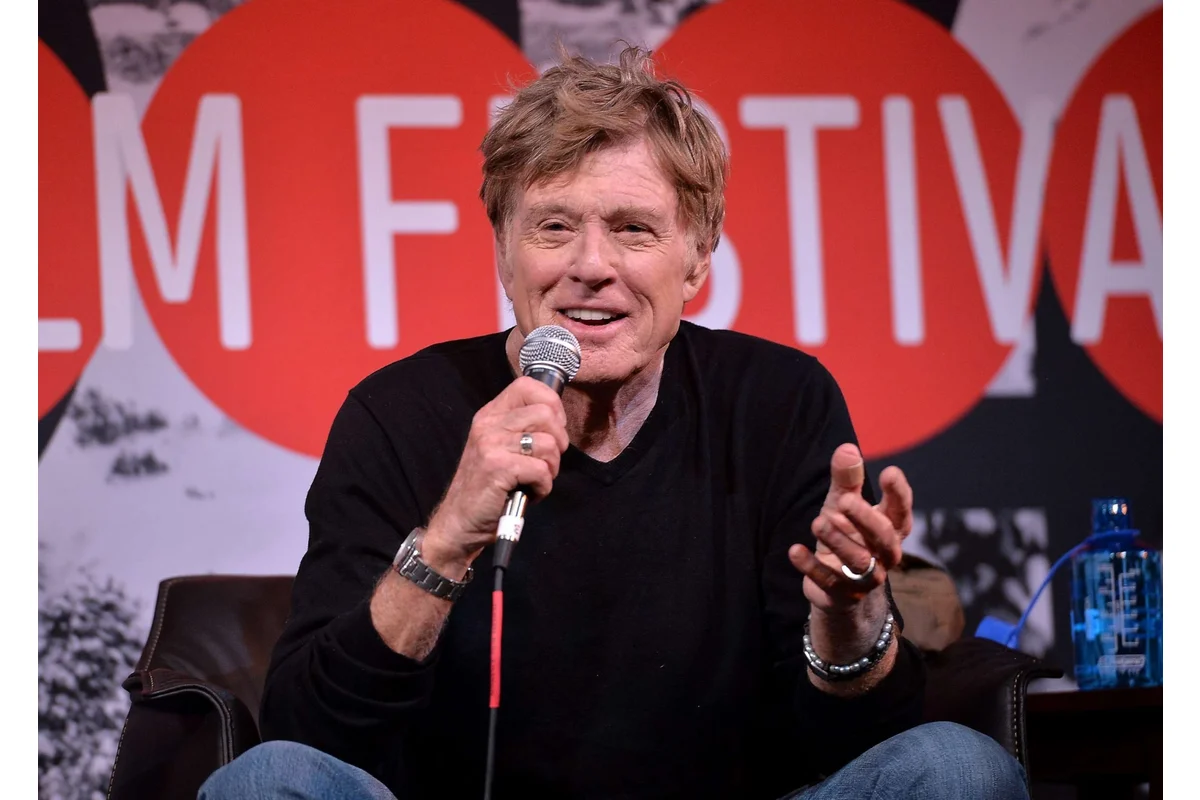
Robert Redford‘s enduring legacy in the film industry is closely tied to his founding of the Sundance Film Festival, a connection that continues to shape independent cinema today. As the world remembered Redford following his passing in 2025 at age 89, his contributions, particularly the survival and growth of Sundance, stood out among his many achievements, cementing his role as a champion for filmmakers who sought a unique voice.
From his start as a heartthrob actor in the 1960s and 1970s, through his successful transition into directing in the 1980s, to his status as an influential statesman of film, Redford maintained a presence that linked the cinematic past and present. He earned respect and affection from peers like Meryl Streep, who honored him by saying,
One of the lions has passed
— Meryl Streep, Actress. Redford’s impact is most strongly felt in the community of filmmakers and movie lovers who have passed through the doors of Sundance.
The Beginnings and Breakthrough of the Festival
The Sundance Film Festival, originally known as the Utah/US Film Festival in 1978, was conceived as a platform for emerging American filmmakers. Redford’s initiative, which drew inspiration from his character in
“Butch Cassidy and the Sundance Kid,”
aimed to support independent voices that struggled for recognition in the mainstream industry. Although Redford was already a star, the future of his Utah project was far from certain.
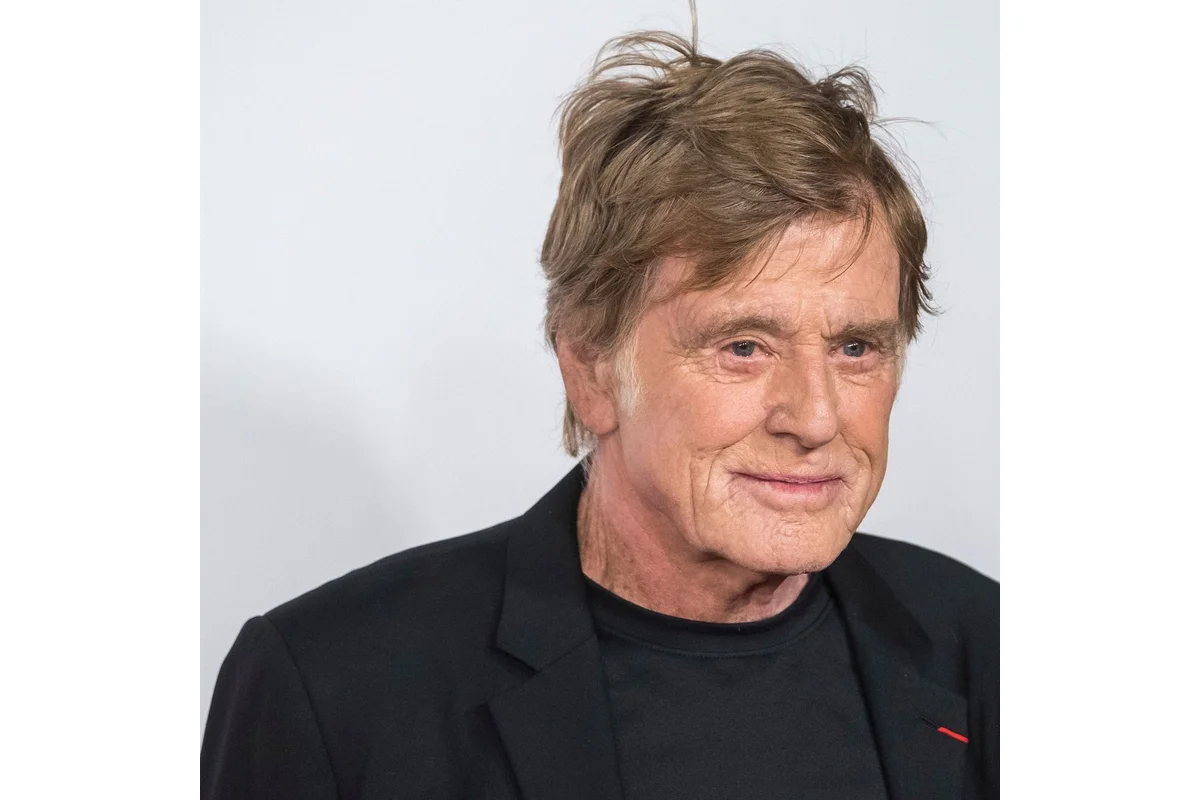
In candid reflection with Moviemaker, Redford once explained the difficulties faced during Sundance’s early years:
In the beginning, I was told it wouldn’t work,
— Robert Redford, Founder. He elaborated,
There was only one theatre on Main Street then, and we tried to get people in there. It was five or six years before we realised some success, and that was with Sex, Lies, and Videotape. That had a huge impact and, slowly but surely, we had a platform.
— Robert Redford, Founder. These words reveal the doubts surrounding the festival and the determination that sustained it.
The Film That Changed Everything: Sex, Lies, and Videotape
Steven Soderbergh’s debut, “Sex, Lies, and Videotape,” holds a special place in the history of Sundance and Redford’s legacy. Released in 1989, the film follows Graham Dalton, played by James Spader, whose habit of recording women discussing their intimate experiences creates ripple effects among his friends and acquaintances—including John (Peter Gallagher), Ann (Andie MacDowell), and others, ultimately challenging their relationships. The film’s daring subject matter and distinct style resonated with audiences, redefining the boundaries of independent cinema in the process.
This movie’s early screening at Sundance proved to be pivotal for both the festival and Soderbergh. As the recipient of the festival’s inaugural Audience Award, “Sex, Lies, and Videotape” joined a future roster of notable winners such as “El Mariachi,” “Whiplash,” and “Coda.” Its critical and popular success convinced skeptics and brought thousands of new attendees to Main Street, turning a modest event into a must-attend occasion for movie lovers seeking alternatives to mainstream Hollywood.
The Partnership That Defined an Era
The success of Soderbergh’s groundbreaking film at Sundance not only changed his own career but also reshaped the festival and, by extension, Robert Redford’s Sundance legacy. As more visionary filmmakers began to see Sundance as a nurturing ground for bold storytelling, the festival’s reputation flourished. The names of Redford, Soderbergh, and Sundance became intrinsically linked, each benefiting from and amplifying the strengths of the others.
This dynamic, described as a “beautiful symbiosis” among Redford, Soderbergh, and the Sundance Film Festival, highlights how their combined influence has left an indelible mark on the cinematic world. Today, the festival is celebrated for elevating fresh voices and providing a launchpad for films that challenge conventional storytelling, continuing the mission Robert Redford began decades ago.
As the independent film community reflects on Redford’s life and the enduring power of Sundance, it is clear that movies like “Sex, Lies, and Videotape” not only contributed to the survival of the festival but also helped to transform the industry, ensuring that Redford’s vision thrives for generations to come.

