
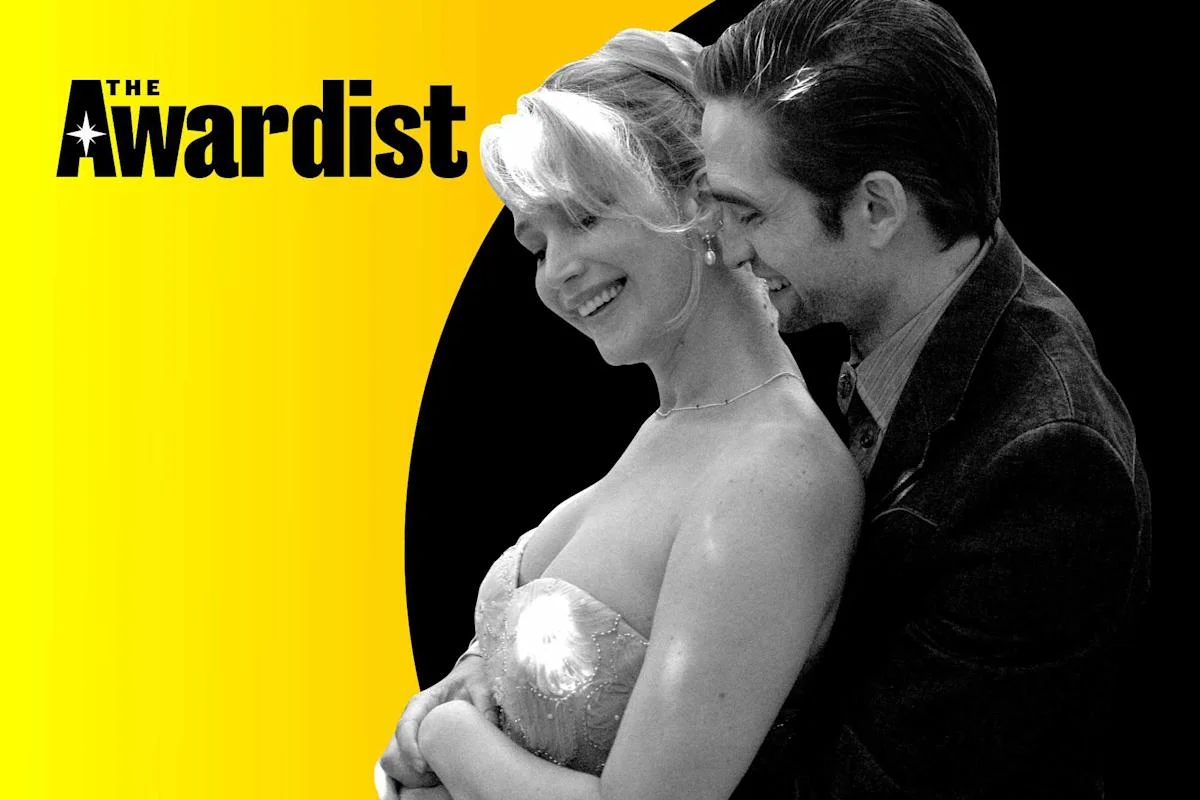
Catherine George, renowned for her distinctive approach to costume design, has become a key figure in modern cinema through her unforgettable Bong Joon Ho collaborations as well as her work with other acclaimed directors. She recently offered insights into her creative process during a candid conversation following her Thessaloniki Film Festival masterclass, reflecting on a journey that took her from Belfast in the 1980s to the center of influential film projects spanning continents and styles.
Journey from Belfast to International Acclaim
Growing up amid Belfast’s turmoil, George found inspiration in the fashion of the era, particularly the rebellious aesthetics of Vivienne Westwood. Her family’s ties to art ran deep, with her brother Terry making waves in New York‘s theatrical world, collaborating on scripts that would attract Oscar nominations alongside Jim Sheridan. George began her own creative path assisting on Sheridan’s 1997 film “The Boxer,” before breaking into the American independent scene where her resourcefulness and eye for character detail earned her a reputation as an indispensable wardrobe supervisor.
Recalling her start, George explained her early days with Jim Jarmusch on “Coffee and Cigarettes,” where she assembled Cate Blanchett‘s on-screen outfit directly from friends’ closets, forging a bond with the director rooted in mutual respect and admiration that endures across decades and projects.

Artistry and Experimentation: Embracing Color
George’s tenure on Lynne Ramsay’s
“We Need to Talk About Kevin”
marked a creative turning point. Reflecting on this, she noted that working closely with Ramsay and Tilda Swinton encouraged her to embrace bolder color palettes, especially the film’s striking use of red, which mirrored the protagonist’s turbulent journey. The designer described the atmosphere on set as highly collaborative, with the experience leaving a lasting impression and sparking a strong working relationship with Swinton.
Her ability to fuse costume with narrative deepened on Ramsay’s adaptation “Die My Love,” where George employed vibrant prints and saturated Ektachrome film stock to mirror the protagonist’s psychological unraveling. The unconventional wardrobe choices — such as mixing characters’ clothing — added emotional layers to the visual storytelling and underlined the importance of costumes in conveying character arcs.
The Value of Creative Partnerships
Through repeated work with directors like Ramsay, Bong Joon Ho, and Jarmusch, George described developing a familial bond with her collaborators, emphasizing how close-knit teams foster trust and innovation. She observed that on sets like “Father Mother Sister Brother,” the creative atmosphere became almost familial, pushing everyone to excel and collaborate with intense focus but also a sense of enjoyment and camaraderie.
Bong Joon Ho Collaborations: Breaking Boundaries in Costume Design
Catherine George’s influential partnership with Bong Joon Ho began after the celebrated director saw her work at Cannes and invited her to envision costumes for his genre-defining films. Their first project together, “Snowpiercer,” challenged George to infuse costume with narrative symbolism. One of her most memorable contributions was designing Minister Mason’s eccentric look, which was inspired by a photograph of Muammar Gaddafi. The design choices, from eye-catching badges to dramatic glasses, were realized through collaboration with Tilda Swinton and the film’s prop teams, adding layers of meaning and impact to the character’s on-screen presence.
The collaborative spirit extended to informal settings, with Bong and George often brainstorming during relaxed work meetings, such as those held across from an Irish pub in Prague. Bong’s affinity for the location — and its Guinness and stew — contributed to their creative process and the warm camaraderie that permeated the film’s production environment.
George’s approach to costuming in sci-fi spectacles like “Mickey 17” further underscored her innovative instincts. When imagining what clothing might look like thousands of years into the future, she drew inspiration from classics like “Alien,” merging practical spacewear with the lived-in realism Bong envisioned for his story world. Notably, George designed a distinctive Hawaiian-style shirt for Steven Yeun’s pilot character, integrating elements inspired by Yeun’s occupation and the film’s topographical themes, a decision that reinforced the narrative’s authenticity.
The Alchemy of Fittings and Performance
George emphasized the transformative power of costume fittings, describing moments during “Mickey 17” when outfitting Robert Pattinson in a thermal suit created a shared sense of excitement among the team. Crafting an authentic “Earth look” for characters presented a unique challenge, but George’s process relied on balancing creative vision with director Bong’s avoidance of the traditional, sterile aesthetic often associated with space-themed films. The aim was to evoke authenticity and relatable humanity, even in futuristic settings, drawing visual cues from iconic performances by actors like Sigourney Weaver and John Hurt — images that shaped her understanding of how clothing can express character depth.
Bridging Film and Personal Connection
George’s longstanding connections with actors and directors have contributed to a shared language across projects. She reflected on her first meetings with Tilda Swinton, initially as an admirer and later as a collaborator who could seamlessly move between the realms of fashion and character-driven costuming. Swinton’s openness and energy, rooted partly in shared Scottish and Irish heritage, helped forge a dynamic partnership that extended across multiple productions, including Bong Joon Ho collaborations.
Similarly, on films like “Okja,” George took unexpected inspiration from her own life — her dog Randy served as the muse for the super pig’s expressive eyes. This blending of the personal and professional illustrates her instinct to draw from varied sources to enrich her costume designs, contributing subtle but significant details to the onscreen worlds she helps create.
Collaborative Creativity: Insights from Set
Costume design rarely happens in isolation. George described collaborations that go beyond apparel, reaching into props and set choices. For instance, the memorable oversized glasses worn by Swinton in “Snowpiercer” originated in the Prague props department, but their selection came from the shared creative intensity among George, Swinton, and Director Bong. Their synergy extended beyond the studio, with informal gatherings and discussions fueling further inspiration. As George recounted, Bong’s fondness for Irish stew and pub meetings became a unique part of their collaborative rhythm while filming in Prague.
Actors’ Styles and Creative Influence
Actors also often bring their own preferences to their roles. Adam Sandler’s laid-back appeal was at the forefront during the making of “Spaceman,” as George ultimately chose basketball shorts for Sandler’s character, aligning with his established public persona. She noted that, although they initially sought to avoid this trademark look, it quickly became clear that such a choice best suited the character and the story, blending authenticity with viewer expectation.
In other films like “Paterson,” production decisions veered from the script in subtle ways — for example, a French bulldog was cast instead of using George’s own dog, Randy. However, the experience still left a creative mark, as Randy’s gentle eyes inspired another of Director Bong’s characters, evidence of how the lines between professional and personal creativity often blur on set.
Looking Forward: Continuous Inspiration
George remains ever-curious about the evolving world of cinema. Preparing for new projects such as Ti West’s “Christmas Carol,” she has found herself studying early 20th-century German expressionist films and actors like Conrad Veidt for visual reference. This research feeds directly into her design ethos of building costumes that are both visually evocative and deeply connected to the stories and settings of each film.
Lasting Impact on Film and Fashion
Catherine George’s work in Bong Joon Ho collaborations, and across her broader career, demonstrates the impactful intersection of costume, character, and context. Her choices — whether grounded in a striking photograph, a night out in Prague, or a childhood memory of Belfast style — shape the visual language of some of the most memorable films of the past two decades. As filmmakers like Bong, Ramsay, and Jarmusch continue to innovate, George’s attention to detail and fearless approach to design will remain central to the future of cinematic storytelling.
