

Clint Eastwood, known for a career defined by select collaborations and autonomy over his projects, once openly refused to work with a specific director—a story that reflects a long-standing Clint Eastwood director feud spanning decades. The acclaimed filmmaker’s decision, rooted in a personal industry slight, reveals how early experiences shaped his enduring preferences and partnerships in Hollywood.
Eastwood’s Preference for Familiar Collaborators
Throughout his career, Clint Eastwood has most often chosen himself as director, rarely appearing in front of the camera for others. Since 1993’s “In the Line of Fire,” he has only once acted for another director, taking a supporting role in 2012’s “Trouble with the Curve.” That exception came because Robert Lorenz, a first-time director, had worked extensively with Eastwood on numerous Malpaso productions, maintaining a sense of creative family and continuity.
Eastwood’s stature in the film industry has long afforded him the luxury to select both his projects and his collaborators. Directors such as Don Siegel, Sergio Leone, and Buddy Van Horn are among those who made multiple films with him, highlighting patterns of repeated—and trusted—collaboration.
An Early Incident and a Lasting Grudge
Before achieving widespread fame and his status as an Academy Award winner, Eastwood’s first significant break came on the television series “Rawhide.” Although he hoped to direct episodes, those plans did not materialize. Still, the success of “Rawhide” gave him increasing authority behind the scenes.
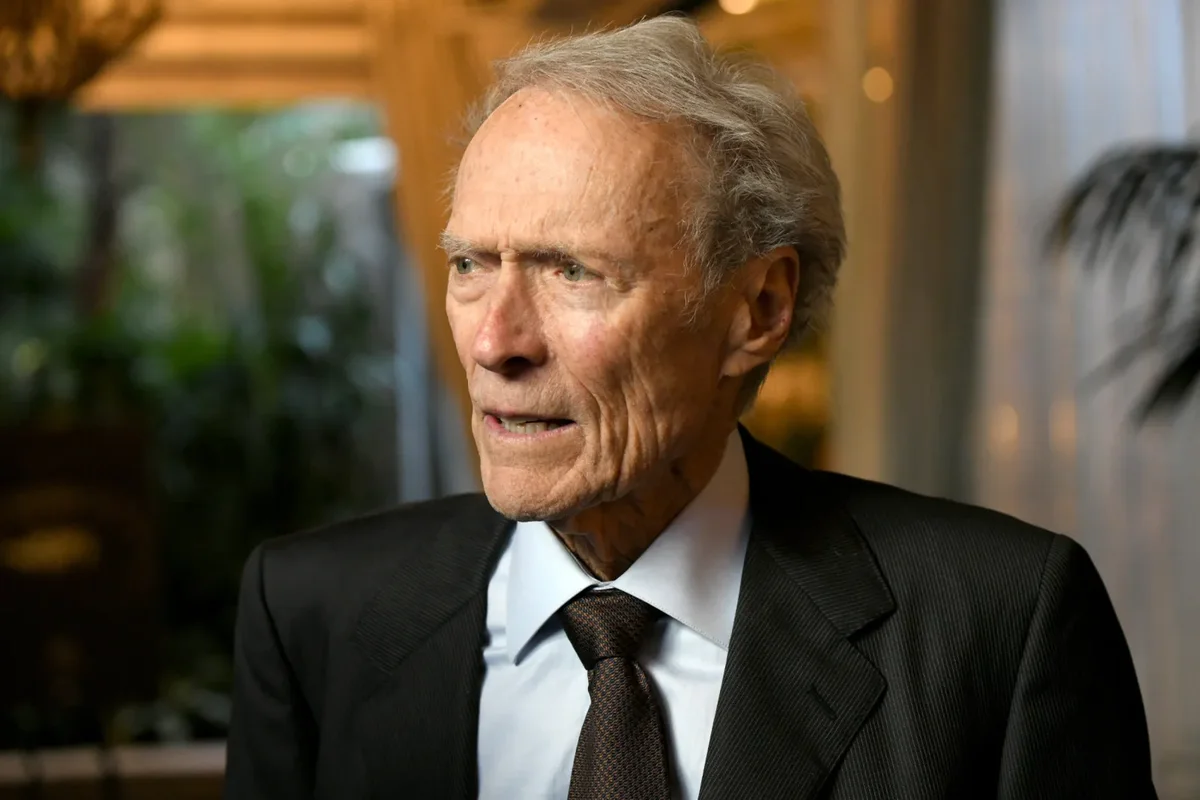
One formative incident for Eastwood happened during his film debut in 1955’s “Revenge of the Creature,” where he clashed with director Jack Arnold, who nearly cut Eastwood’s only scene. However, the two eventually reconciled, referencing the past with a sense of humor.
“I joked with Jack about it years later when he came on and did some Rawhides,”
Eastwood recounted.
“It wasn’t a bad deal like Abner Biberman, or something.”
— Clint Eastwood, reminiscing about Jack Arnold
Encounter with Abner Biberman Shapes Professional Choices
Abner Biberman had transitioned from acting to directing, and served as a mentor at Universal Studios, a role central to nurturing rising talents. Early in his career, Eastwood auditioned for the crime film “Running Wild” in 1955 under Biberman’s oversight. According to Eastwood, Biberman dismissed him almost immediately, leaving the young performer feeling disrespected and undervalued. The experience of being treated, in Eastwood’s words,
“like a punk kid, hanging around,”
made a strong negative impression.
This perceived slight resurfaced years later as Biberman became a reliable television director during the late 1950s and early 1960s, coinciding with “Rawhide’s” peak popularity. Despite Biberman’s work on several notable series, the earlier incident made Eastwood unwilling to collaborate with him.
While spending time in a producer’s office, Eastwood happened upon Biberman’s name on a potential list for directing “Rawhide” episodes. Demonstrating a decision shaped by personal history, Eastwood removed Biberman’s name from consideration.
“But I just didn’t want to see that face on the set.”
— Clint Eastwood, on refusing to work with Abner Biberman
Defining Boundaries in Hollywood Collaborations
Despite claiming not to be vindictive, Eastwood consciously chose to avoid any further professional contact with Biberman, particularly on any film or television set. He remained steadfast in this decision throughout his career, a rare example of his willingness to act on past grievances in an industry built on change and adaptation.
The Clint Eastwood director feud with Abner Biberman stands out amid a career marked by productive partnerships and professional independence. This episode underscores the complex interplay of personal history and professional choices, illustrating how formative events can have enduring impacts, even for Hollywood legends like Eastwood. As audiences continue to reflect on Eastwood’s storied career, his careful selection of collaborators remains a defining aspect of his legacy in film and television.

