
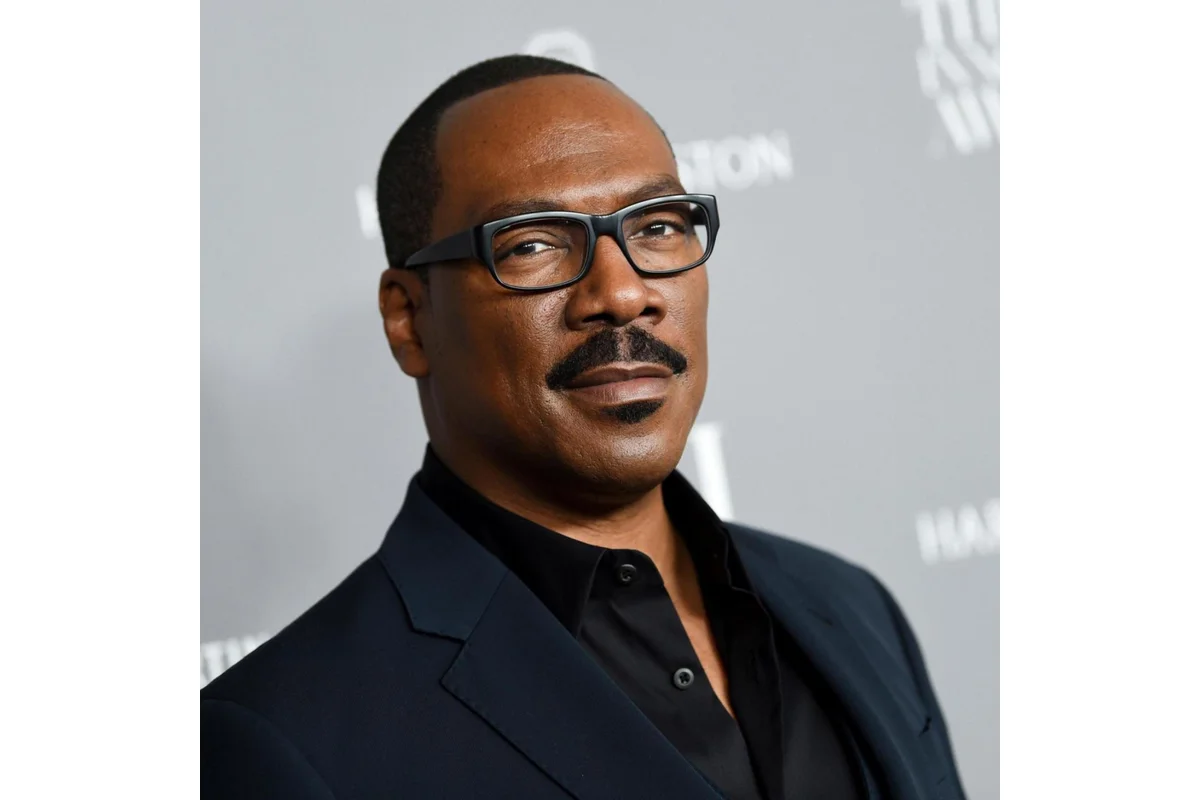
Eddie Murphy box office hits have made him one of Hollywood’s most successful stars, with his top films earning billions globally after adjusting for inflation. From his early days on Saturday Night Live to starring roles in comedy classics and record-breaking animated features, Murphy’s movies have dramatically shaped the landscape of American cinema.
The Star’s Hollywood Journey: From Comedy to Blockbuster Royalty
Eddie Murphy burst onto the national stage through Saturday Night Live, quickly becoming its standout performer during a challenging era for the show. His smooth transition to the silver screen was marked by an almost instant string of hits. Films such as Beverly Hills Cop and 48 Hours firmly established him as box office gold throughout the 1980s, helping to set the standard for comedic action films. His momentum slowed in the 1990s with several underperforming titles, but he made a triumphant return in the 2000s, a period that would bring his most impressive box office achievements.
While Murphy has spent much of the last decade outside the public eye, his notable comeback in Dolemite Is My Name and renewed interest through the Netflix documentary Being Eddie indicate his story in entertainment might not be finished. The impact of his career continues to ripple across the comedy and film landscape, raising anticipation for what’s next.
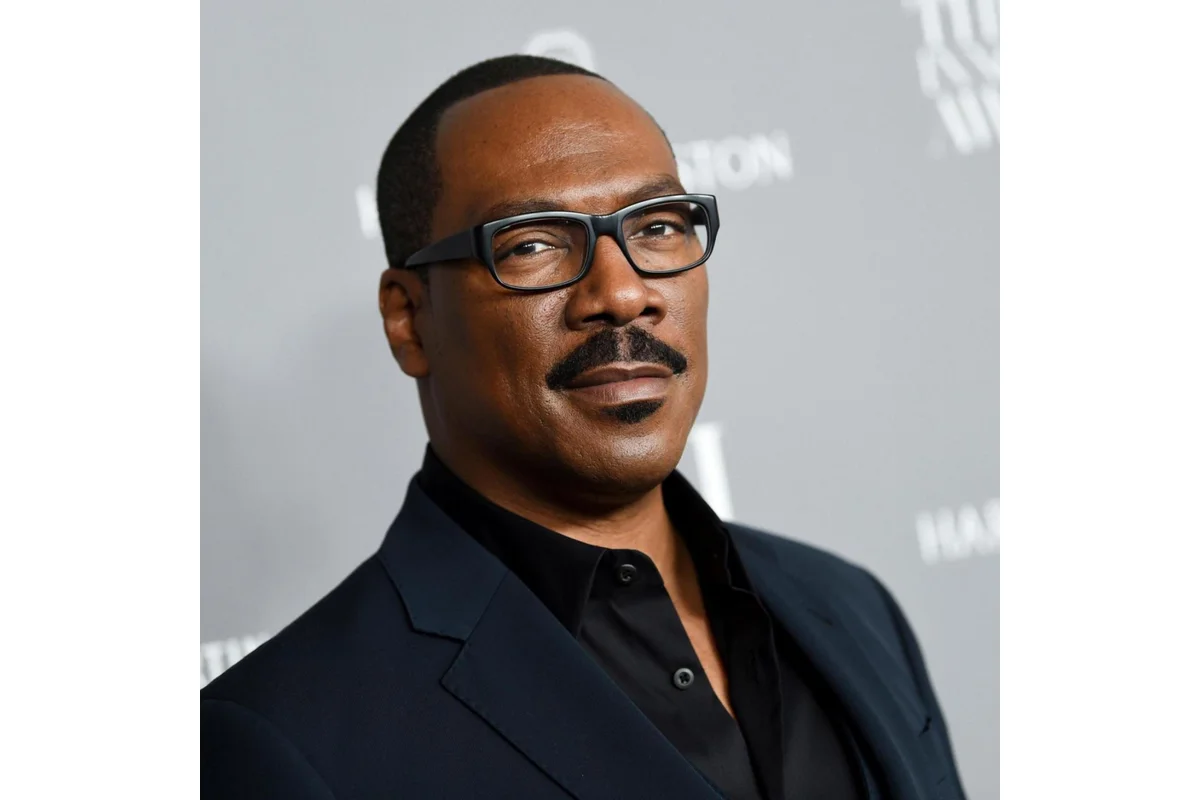
The Nutty Professor (1996): $574 Million Earned
The Nutty Professor demonstrated Murphy’s unique comedic range as he played multiple roles, reminiscent of his idol Peter Sellers. Reinventing a classic comedy, Murphy starred as a scientist whose invention transforms his life in hilarious and unpredictable ways. The humor mixed slapstick gags with genuine emotion, earning it distinction as a staple of 1990s cinema.
The film achieved commercial success by surpassing $574 million after inflation, according to Box Office Mojo, reviving Murphy’s box office pull and launching a prosperous phase in his career. While it led to a sequel, the original’s blend of humor and heart remains unmatched, affirming Murphy’s enduring appeal as a funnyman and multifaceted performer.
Doctor Dolittle (1998): $590 Million in Ticket Sales
Continuing his success with remakes, Murphy played the titular character in Doctor Dolittle, a physician suddenly capable of communicating with animals—creating comedic chaos. Although not every edgy joke resonated, Murphy’s engaging performance carried the film, captivating audiences and critics alike.
Released in a packed year for blockbusters, Doctor Dolittle still impressed by drawing $590 million at the box office, per Box Office Mojo. Its popularity placed it among the year’s biggest movies, and its follow-up was also a hit. Murphy’s charisma was central to drawing audiences, further cementing his reputation among iconic actors of his generation.
Mulan (1998): $609 Million with Comedic Flair
Mulan, part of the celebrated Disney renaissance, offered Murphy a chance to showcase his talent for voice acting by breathing vibrant life into Mushu, the comedic dragon sidekick. His energetic delivery stood out in an animated adventure woven from Chinese folklore, enhanced by memorable music and striking visuals.
The film garnered $609 million globally (Box Office Mojo), reflecting Disney’s strong run at the time. While Mulan performed modestly compared to other Disney entries, Murphy’s turn as Mushu remains a highlight for many fans, foreshadowing his immense future success in animated franchises.
Coming to America (1988): $800 Million in Worldwide Receipts
Among Eddie Murphy’s most beloved movies, Coming to America follows an African prince—portrayed by Murphy—traveling to the United States in search of genuine love. The movie is filled with Murphy’s trademark cleverness, playing multiple characters and blending humor with warmth.
Its release came as comedy thrived in the late ’80s, and the film’s humor and star power fueled a remarkable global intake of $800 million (Box Office Mojo). Its cultural and cinematic influence is still deeply felt today, even as its long-awaited sequel bypassed a traditional theatrical run.
Beverly Hills Cop 2 (1987): Raking in $806 Million
As Axel Foley, Murphy returned in Beverly Hills Cop 2 to uproarious effect, taking on a crime wave in Los Angeles. The movie maintained the franchise’s balance of thrills and laughs, although it didn’t surpass the achievements of its predecessor in audience or critical response.
Despite falling short of the original’s box office pace, the sequel was a resounding financial success with $806 million earned after inflation (Box Office Mojo). It dominated as the year’s top-grossing movie and helped maintain Murphy’s momentum as Hollywood’s reigning comic action star.
Shrek (2001): $912 Million—The Start of an Iconic Franchise
Shrek shifted the landscape of family movies in the early 2000s. Murphy starred as Donkey, sidekick to the ogre Shrek, voiced by Mike Myers. Their chemistry powered a tale filled with parody, heart, and laughs, helping DreamWorks make its mark as a rival to Disney animation.
Shrek took in $912 million worldwide (Box Office Mojo), and while it would be outperformed by subsequent sequels, it launched a franchise and drew rave reviews. Murphy’s energetic portrayal of Donkey won over children and adults alike, securing his place as a leading force in the world of animation and proving his versatility as a performer alongside other key actors such as Myers.
Beverly Hills Cop (1984): The Billion-Dollar Breakout
With Beverly Hills Cop, Murphy became a megastar virtually overnight. Playing a Detroit detective in Los Angeles, Murphy blended street smarts and comedic timing, delighting viewers with action and laughs in equal measure. The film quickly surpassed $234 million upon its initial release, eclipsing competitors such as Indiana Jones and the Temple of Doom.
When adjusted for present-day dollars, Beverly Hills Cop collected $1 billion (Box Office Mojo), making it not just the highest-grossing movie of the year but one of the greatest box office successes in American movie history. Murphy’s star power and the character of Axel Foley remain inseparable in pop culture memory.
Shrek Forever After (2010): A $1.1 Billion Finale
The fourth chapter in the Shrek series, Shrek Forever After, saw Donkey join Shrek as the ogre faced midlife uncertainty. The movie offered an emotional resonance and signaled what was initially seen as the series finale, capping a decade of animated dominance.
Shrek Forever After earned $1.1 billion (Box Office Mojo), even as enthusiasm for the series waned. Murphy’s return, although somewhat scaled back, maintained the film’s trademark humor and heart. The Shrek saga’s financial success demonstrated Murphy’s enduring influence as a bankable star across generations.
Shrek the Third (2007): Surpassing $1.2 Billion
Continuing the beloved franchise, Shrek the Third centered around Shrek’s reluctant rise as heir and a quest to avoid royal duties. Despite lacking the emotional pull and wit of previous entries, audiences flocked to theaters by the millions.
The movie reached $1.2 billion in earnings (Box Office Mojo), outpacing even some of its stronger predecessors, though it set the stage for slightly diminished returns in future installments. The film’s popularity reaffirmed Murphy’s importance to the series and his place among top voice talents.
Shrek 2 (2004): The Ultimate Eddie Murphy Box Office Hit at $1.6 Billion
Shrek 2, the highest-grossing film of Murphy’s career, elevated the franchise even further. Returning as Donkey alongside Fiona and Shrek, Murphy joined the cast in an expanded adventure to Far Far Away, navigating new, overbearing in-laws and hilarious hijinks.
The sequel brought in over $1.6 billion (Box Office Mojo) and is widely celebrated as the best in the franchise. Shrek 2’s success was not only a financial triumph but also highlighted Murphy’s lasting appeal to both children and adults, solidifying his legacy among the most significant and talented movie actors of his era.
Enduring Impact and Legacy of Eddie Murphy’s Blockbusters
Eddie Murphy’s filmography features some of the entertainment industry’s most memorable and profitable titles, reflecting profound versatility and an ability to continually reinvent himself. His influence can be seen in the way he revitalized comedic and animated films, breaking barriers as both a funnyman and a serious actor. With a catalog that includes legendary hits across genres and generations, Murphy’s legacy stands as a testament to his unique talent and enduring appeal. As projects like Being Eddie and his recent return suggest, Murphy’s story remains open—and audiences around the world are eager to see what new heights he might reach once again.
