
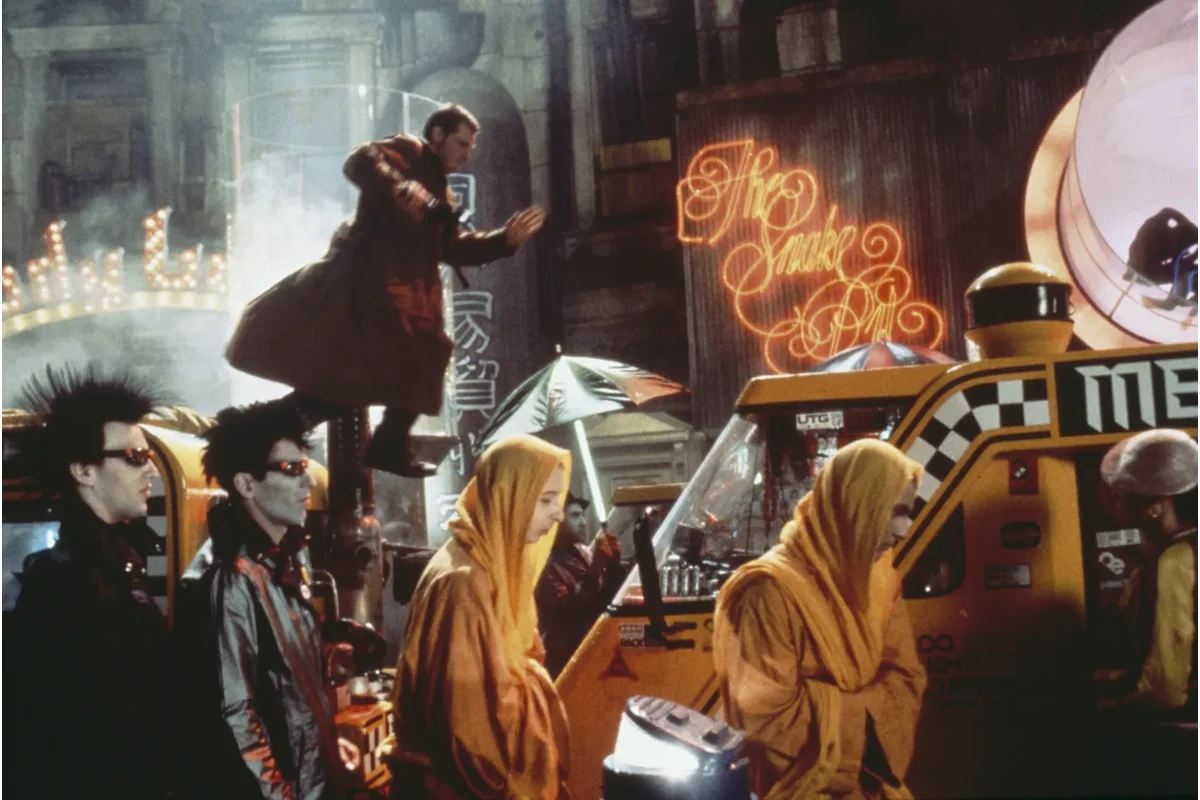
The Ridley Scott Blade Runner edits are a unique topic in the world of cinema, as the film has spawned several different versions since its initial release. Unlike most movies, which may have only one director’s cut or an alternate ending, Blade Runner stands out by featuring a director’s cut, a workprint iteration, a final cut, and several other variations. The reasons for this array of edits go back to divisive studio-driven changes that strayed from Ridley Scott’s original creative vision, such as removing pivotal scenes and introducing a brighter, more optimistic finale for its key characters, Deckard and Rachael.
The question of which Blade Runner version is best has sparked debate for decades. While some favor Ridley Scott’s director’s cut or the more recent final cut for their closeness to the filmmaker’s vision, other viewers—including notable figures like Christopher Nolan—have expressed appreciation for the theatrical release. Each version contains tweaks and modifications that can be defended on different grounds. Yet, one aspect introduced in the theatrical cut remains especially controversial and widely criticized: the studio-imposed voice-over narration by Harrison Ford as Deckard.
The Persistent Flaws of Deckard’s Narration
The decision to incorporate narration into the original theatrical cut of Blade Runner was largely a response to concerns that audiences would struggle to follow the film’s narrative. Harrison Ford’s voice-over sought to guide viewers through the complicated story, but neither Ford nor Ridley Scott supported its inclusion. In fact, Scott removed it from subsequent versions, and Ford has gone on record with,

“I like any cut without the voice-over.”
– Harrison Ford, Actor
The immediate effect of the narration when watching Blade Runner is one of discomfort, as it takes on a patronizing tone and disrupts the film’s natural flow. A memorable misstep occurs early in the film, when subtle, visual cues begin to develop Deckard’s feelings for Rachael. The narration, however, bluntly states those emotions, stripping the moment of any nuance and robbing the viewer of interpretive discovery. Such heavy-handed exposition undermines the audience’s ability to engage with the characters on a deeper level.
Moreover, the voice-over comes across as ill-fitting for Deckard’s character, who is depicted onscreen as emotionally closed off and enigmatic. Harrison Ford’s performance of the narration has been described as lackluster, almost as if done reluctantly or to meet a contractual obligation. Rumors have circulated for years that Ford intentionally delivered the lines poorly to discourage the studio from retaining the narration. However, Ford later clarified that this was not the case, as referenced in an interview with Playboy.
What makes the narration even more problematic over time is its complete resistance to repeated viewings. A well-conceived narration can create intimacy and lend insight, but Deckard’s version exists solely to handhold the audience through plot details, losing any sense of sophistication with each rewatch. For fans and new viewers alike, the commentary starts to grate, likened by some to having a companion explain the plot, regardless of the number of times you’ve seen the film. This tendency diminishes the rewatchability of Blade Runner, a movie renowned for its layers and hidden meanings.
Impact of Narration on Blade Runner’s Ending
One of Blade Runner’s enduring strengths lies in the way it gains depth with each viewing, as scenes can be interpreted in new ways once the full story is known. Deckard’s relationship with Rachael, for example, is seen differently after learning that they eventually leave together. This shift not only casts their initial interactions during the Voight-Kampff test in a new light, but also influences how audiences perceive Rutger Hauer’s character, Roy Batty, and his existential musings about life and mortality.
The theatrical narration, however, directly undercuts these moments. Specifically, it exposes a crucial detail: Rachael is ‘special’ and not subject to the typical four-year replicant lifespan, implying she is more human than her nature suggests. This revelation sabotages the intended emotional power of Deckard’s decision to love a replicant facing imminent death. By confirming that Rachael is not doomed to expire, the narration dilutes the intensity of Deckard’s commitment and the thematic resonance of Roy Batty’s search for meaning.
As a consequence, the film’s ending in the theatrical version feels artificially cheerful—and this effect only becomes more pronounced with each successive viewing. Instead of feeling the tension and uncertainty that defines the core of Blade Runner, viewers are confronted with a sanitized conclusion that lessens the impact of Deckard’s love for Rachael. It also raises uncomfortable questions: Had Rachael’s lifespan been limited, would Deckard have made the same choice? This undermines both the story’s philosophical underpinnings and the emotional journey for the audience.
Main Characters and Portrayals
At the heart of Blade Runner are the performances by Harrison Ford, portraying the troubled protagonist Deckard, and Rutger Hauer, who plays the complex replicant Roy Batty. Their dynamic is integral to the movie’s exploration of humanity, artificial intelligence, and existential struggle. The interactions between Deckard and Rachael, as well as the pivotal moments involving Roy Batty, shape the viewer’s experience and inform much of the ongoing debate over which edit of the film provides the most authentic version of Ridley Scott’s vision.
With the narration inconsistent with both the brooding tone of Deckard’s character and the overall ambiguity Scott intended, critics and fans continue to evaluate the purpose and value behind each of the Ridley Scott Blade Runner edits. The enduring controversy underscores just how much a single creative decision can affect perceptions of a film, its narrative depth, and its legacy among moviegoers and critics alike.
As interest in Blade Runner persists and discussions about its various versions continue, the significance of Scott’s choices and the problematic narration remain at the center. The lasting impact of these infamous edits shapes how each generation experiences this science fiction classic, ensuring the debate over the best version—and the mistakes of the original narration—remains alive.
