
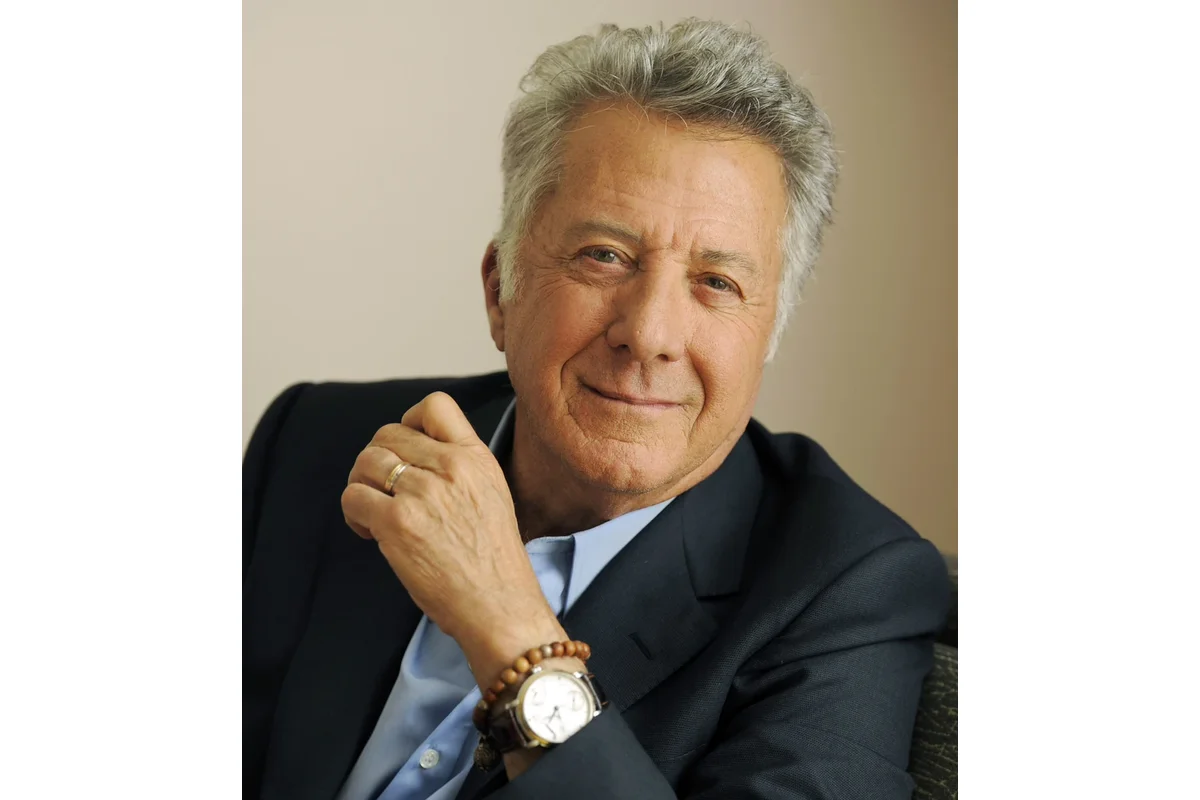
Dustin Hoffman The Yellow Jersey became one of Hollywood’s most intriguing unfinished stories, as a film adaptation spent over a decade in development, only to ultimately fall apart. Despite significant talent attached and years of effort, this Tour de France drama failed to make it to the screen, leaving behind a tale marked by ambition and obstacles.
A Promising Adaptation from Sporting Literature
The journey began when Ralph Hurne’s 1973 novel, The Yellow Jersey, captured the attention of producer Gary Mehlman. Set during the legendary Tour de France, the narrative centers on a seasoned professional cyclist compelled to return to racing to assist a younger competitor. With its mix of athletic competition and romance, the story seemed prime for cinematic adaptation. Mehlman moved quickly, believing in the book’s appeal and cinematic potential, but soon found himself facing a cycle of production setbacks and creative dilemmas.
Early Momentum and Shifting Studio Interest
Mehlman initially enjoyed what appeared to be a straightforward launch for the project. As he described to the Los Angeles Times,
It sure looked easy then. I couldn’t believe it. I made a deal on Monday, and on Wednesday I was on the plane. I had money in my pocket, we had a writer and we were negotiating with a director. I was gone, gone!
Gary Mehlman, Producer. However, casting remained a major hurdle. Various names, including Sylvester Stallone, were considered for the lead, yet studios continuously picked up and then dropped the idea, preventing real progress. Eventually, Dustin Hoffman signed on, renewing excitement and raising expectations for the film’s prospects.
Changing Directors and Mounting Difficulties
Michael Cimino, renowned for The Deer Hunter and later criticized for Heaven’s Gate, was slated to direct. Cimino’s rapidly shifting reputation brought uncertainty, especially as Heaven’s Gate became infamous for its production and financial troubles. This directorial ambiguity destabilized the project, adding to the growing list of production woes. During this challenging period, Mehlman even invested over $1 million filming the Tour de France, hoping this genuine race footage would give the movie authenticity and momentum, but it was all to no avail.
An Actor’s Commitment, a Project Unraveling
Dustin Hoffman brought genuine enthusiasm and seriousness to the role, determined to portray the film’s aging cyclist with depth and realism. In an interview with Sam Abt, Hoffman explained his mindset and preparation, stating,
The first thing I’ve got to do is to get a cycling coach. The book is about the last moment of your youth and I think that’s the way I feel now about myself. Actors say ‘If I’m going to die, let it be on stage.’ This guy says ‘If I’m going to die, let it be while trying to make this curve.’ I think I can relate to that,
Dustin Hoffman, Actor. Yet, creative and logistical complications persisted. As Mehlman repeatedly tried and failed to secure the right director, Hoffman eventually parted ways with the production, leaving Mehlman to once again search for a star.
The Unfinished Legacy of The Yellow Jersey
Despite its strong foundation with material drawn from Ralph Hurne’s novel, notable names such as Dustin Hoffman and Michael Cimino involved, and significant investment in authentic Tour de France footage, The Yellow Jersey was unable to overcome its production struggles. The saga of this unmade film stands as a testament to the unpredictable, sometimes tumultuous, nature of filmmaking—where promising stories, regardless of pedigree, can remain forever unrealized. The tale behind Dustin Hoffman The Yellow Jersey now endures as a curious Hollywood mystery, reflecting both the ambition and turbulence that can define the world of cinema.
