

The 1978 film starring Robert De Niro, The Deer Hunter, encountered harsh accusations of being unpatriotic before its release, sparking controversy within Hollywood as the studio expressed concerns about its tone and length. These tensions surfaced at a time when the industry hesitated to tackle the Vietnam War on screen, eventually causing heated debates between filmmakers and executives about the movie’s message and duration.
Hollywood’s Reluctance to Address Vietnam War Themes
In the years following the conflict in Vietnam, Hollywood was largely hesitant to explore war stories set against this divisive backdrop. After John Wayne faced intense backlash for his film Green Berets, industry leaders were wary of pursuing projects that might upset the public or appear jingoistic. The difficult reception to Wayne’s movie signified that using the Vietnam War as the focus for a major motion picture was viewed as a risky endeavor, one many filmmakers avoided for some time.
Changing Times and Academy Award Competition
By the close of the 1970s, the climate had shifted, as the era known as ‘New Hollywood’ brought bolder stories to the fore. This change was apparent when two films about the Vietnam War—Hal Ashby’s Coming Home and Michael Cimino’s The Deer Hunter—both competed at the 51st Academy Awards. They challenged for top honors in categories such as Best Picture, Best Director, and Best Actor, demonstrating Hollywood’s gradually warming attitude toward difficult wartime themes.
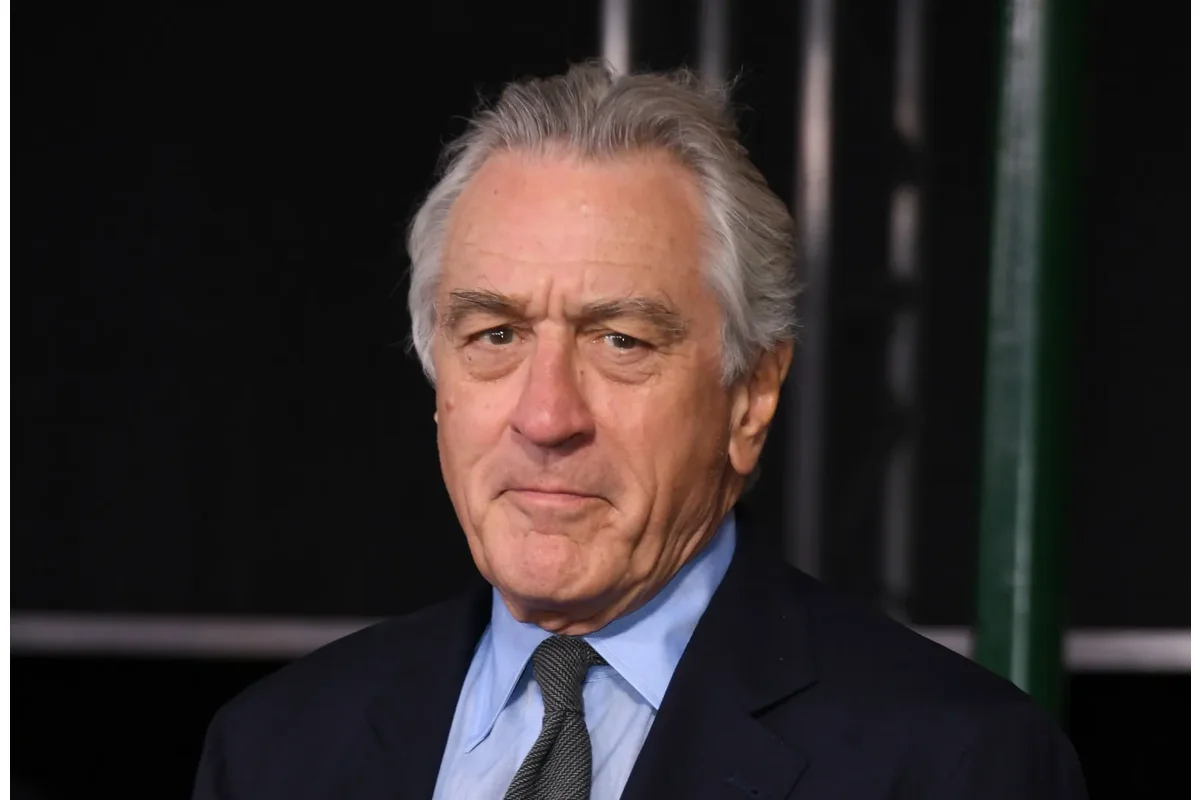
Despite this shift, Cimino’s approach with Robert De Niro The Deer Hunter drew far more scrutiny than Ashby’s work did. Ashby’s film moved through production and release smoothly, but Cimino’s was met with objections over both its content and its runtime, fueling internal studio conflict.
Studio Executives Clash Over Cimino’s Vision
Michael Cimino revealed to The Los Angeles Times that Universal Pictures was wary of many aspects of The Deer Hunter, particularly its provocative subject matter and extended duration. Barry Spikings, from distributor EMI Films, explained that these issues had a particularly strong effect on Universal’s Sid Sheinberg.
“What really upset them was ‘God Bless America.’ [Sid] Sheinberg thought it was anti-American. He was vehement. He said something like, ‘You’re poking a stick in the eye of America’. They really didn’t like the movie. And they certainly didn’t like it three hours and two minutes.”
– Barry Spikings, Executive
The reaction inside Universal was heated, with Thom Mount, the executive in charge of day-to-day operations, also sharing his distress over the prolonged editing process and Cimino’s firm commitment to his vision.
“This was just a fucking continuing nightmare from the day Michael finished the picture to the day we released it,”
– Thom Mount, Executive
Mount described the production as “endless,” suggesting the film’s structure—with its famously long wedding sequence—contributed to studio anxiety about the film’s commercial prospects.
“That was simply because he was wedded to everything he shot. The movie was endless. It was The Deer Hunter and the Hunter and the Hunter. The wedding sequence was a cinematic event all unto its own.”
– Thom Mount, Executive
Attempts to Cut the Film Fall Short
Faced with growing animosity and concern about The Deer Hunter’s reception, Sheinberg warned that the release might be put on hold unless Cimino trimmed an hour from the final cut. Simultaneously, Mount assigned post-production chief Verna Fields to pressure the director to make the desired changes. Despite these efforts and accusations that the film was “anti-American,” Cimino adhered to his original vision. Ultimately, the theatrical cut retained its full three-hour-and-two-minute length.
Legacy of Robert De Niro The Deer Hunter’s Controversy
The battle over The Deer Hunter’s message and scope highlighted the anxiety in Hollywood regarding how America’s involvement in Vietnam should be depicted. The controversy did not prevent the film from making an enduring impact; instead, it became a landmark achievement in cinema and a defining role for Robert De Niro. The clash between creative intent and business priorities shaped perceptions of both the film and the era, leaving lasting questions about the boundaries of artistic expression and patriotism in American storytelling.

