
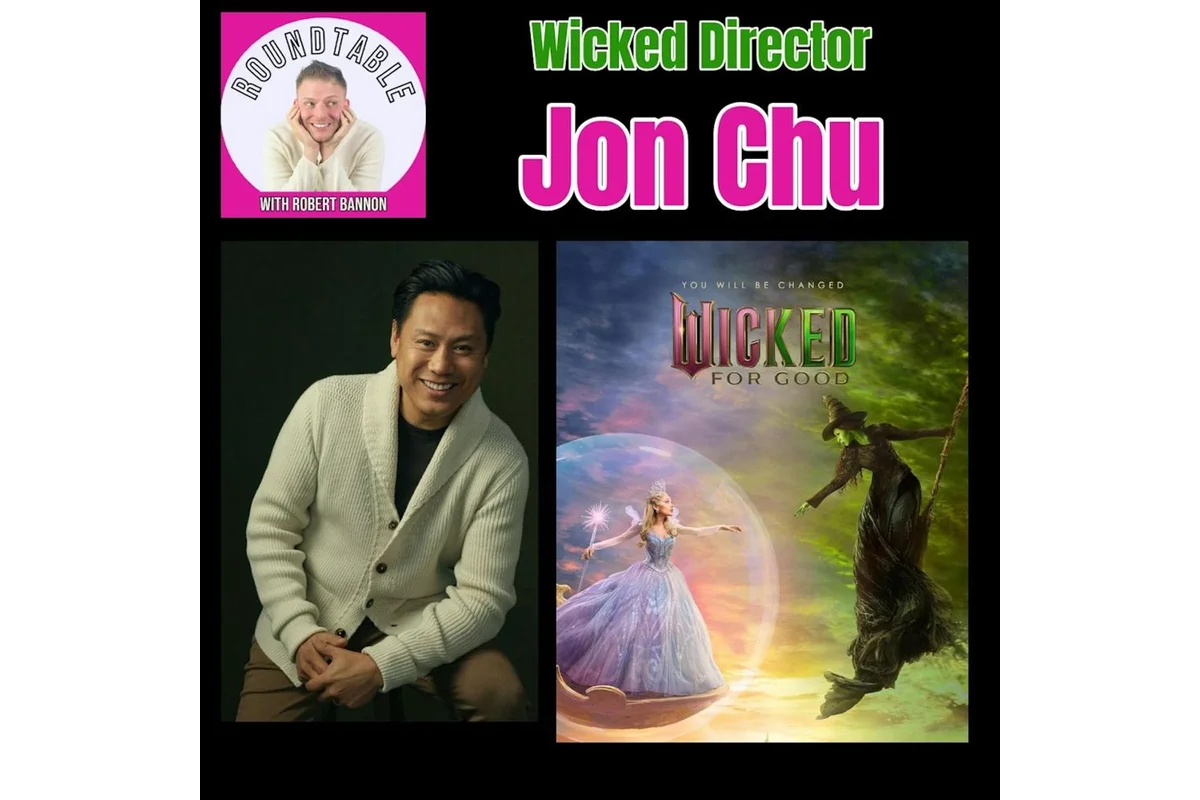
Jon M. Chu directing Wicked has brought new energy and creative freedom to the beloved musical, with pivotal moments on set shaped by the actors’ instincts and unscripted choices. As Wicked: For Good unfolds, Jon M. Chu, with a dynamic cast led by Cynthia Erivo and Ariana Grande, leverages unplanned brilliance and fresh storytelling while honoring cherished elements from the stage musical.
Creative Trust Behind Iconic Musical Numbers
Bringing Wicked: For Good to life was anything but routine for Jon M. Chu, especially during the emotionally charged “No Good Deed” sequence performed by Cynthia Erivo as Elphaba. Rather than strictly adhering to preplanned staging, Chu allowed Erivo’s artistry to guide the moment. Originally, the scene called for Elphaba to move around at the beginning, requiring Erivo to dismount her harness live. However, an on-set pivot led to an entirely new moment of stillness and power.
“She did those versions of it, but one time she was like, ‘I don’t want to unrig and do the whole thing, it’s throwing me. Let me just do it here,’”
Jon told Entertainment Weekly in an interview published Nov. 26.
“And she does it, and she’s just in it, and that’s the take we use. That’s why it’s messy—because our camera [operator] didn’t know it was happening. I forgot to tell them.”
– Jon M. Chu, Director
The unscripted stillness of the scene, with Erivo alone conveying Elphaba’s suffering and triumphs through song, revealed the strength of letting go of rigid direction.
“I mean, she’s in a room alone, singing that while we’re shooting this,”
he recalled.
“There is nothing around her; she is making the whole f–king scene. It’s pretty awesome.”
– Jon M. Chu, Director
Jon M. Chu was impressed by Erivo’s ability to embody the struggle and anguish defining “No Good Deed,” building on the expectations she set in “Defying Gravity.”
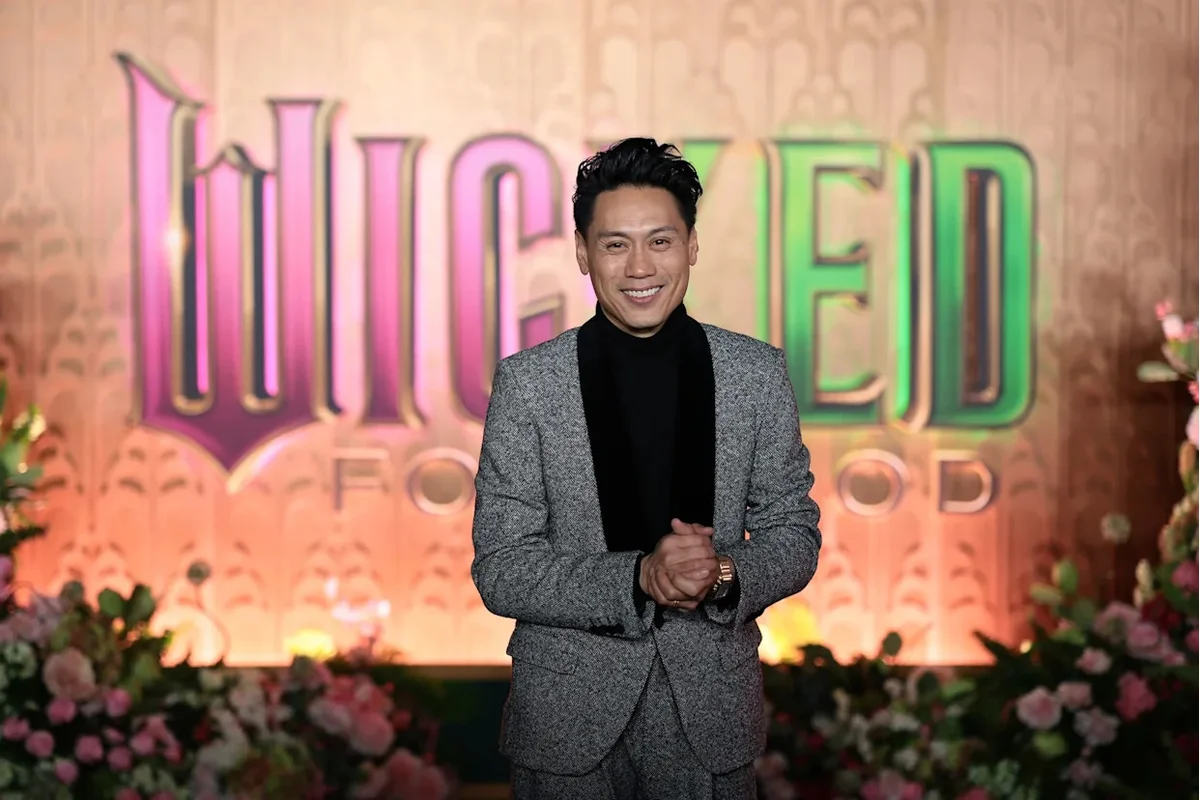
“We already knew what she can do, she did it in ‘Defying Gravity,’”
Jon reflected.
“But ‘No Good Deed’ is not just a declaration, it is a struggle to find herself. It is Elphaba surrendering to herself — and there’s pain and anguish in that surrender. It’s questioning her past.”
– Jon M. Chu, Director
The director’s admiration reached its peak as he reflected on the significance of Erivo’s work in film musicals.
He added,
“I think it’s one of the greatest single performances of a musical sequence in a movie of all time. She is a revelation.”
– Jon M. Chu, Director
Emotional Depth from Unscripted Performances
Allowing artistic exploration translated into other key scenes, most notably the deeply emotional farewell in “For Good,” where Elphaba and Glinda share a heartfelt exchange not written into the screenplay.
“The moment that I tell her I love her at the door, and she says it back, that was not in the script,”
Cynthia revealed to Today following the film’s release.
“All of that was sort of what she and I found in the room.”
– Cynthia Erivo, Actor
This improvisational approach was central to the chemistry between Cynthia Erivo and Ariana Grande, shaping the nuanced goodbye between the two witches.
“I think both of us were just figuring out how each of our characters would actually say goodbye,”
she said.
“Even through the song, there wasn’t much direction. He just let us sing to one another. Tell each other the truth.”
– Cynthia Erivo, Actor
Such unscripted moments proved to be where the film’s emotional weight soared, driving differences between the screen adaptation and the original stage production.
The Journey Forward: New Challenges in Wicked: For Good
The sequel opens twelve “tide turns” after Elphaba defies gravity and departs in hope of saving Oz’s magical creatures. Jon M. Chu directing Wicked guides audiences through Elphaba’s renewed determination as she attempts to halt the construction of the Yellow Brick Road and champions the freedom of Oz’s captive animals. As the new film begins, viewers join Elphaba at the frontlines of this fight, reinforcing the movie’s expanded focus on her mission.
For the first time, the audience hears “Every Day More Wicked,” an original song reflecting the evolving stories of characters such as Glinda (Ariana Grande), Madame Morrible (Michelle Yeoh), and others, as they try to address the continuing influence and reputation of the Wicked Witch of the West.
Glinda’s Growth and New Beginnings
Glinda, played by Ariana Grande, takes center stage as the Wizard of Oz’s public face. Her transformation into the Good Witch is formalized with her receipt of a magical wand and her signature travel bubble. The film introduces a flashback to a young Glinda, evoking contrasts with her counterpart Elphaba’s childhood, as the emotional resonance of their journeys is highlighted from an early age. Scenes underscore the differing perceptions of magical power among children in Oz, further contextualizing Glinda’s rise and Elphaba’s isolation.
A Joyous Yet Foreboding Celebration
The movie distinguishes itself from the original musical by reorganizing and recontextualizing musical numbers. “Thank Goodness,” which opens the stage show’s second act, appears later in the film, framing it as a celebration of the Yellow Brick Road’s completion and Glinda’s engagement to Fiyero (Jonathan Bailey), captain of the Gale Force. This moment, layered with visual and musical grandeur, is interrupted by Elphaba’s dramatic attempt to warn Oz about the Wizard’s intentions. In a striking homage, Elphaba writes a sky message using her broom, echoing the infamous imagery from the 1939 Wizard of Oz film.
Revisiting Home and New Musical Journeys
The relationship between Elphaba and her mentor Dulcibear (Sharon D. Clarke) is deepened as Elphaba tries to stop Oz’s talking animals from fleeing. In the newly introduced song, “There’s No Place Like Home,” Elphaba pleads for unity and compassion, hoping to restore the Oz she believes in. The film uses this moment to emphasize the urgency and empathy at the core of Elphaba’s motivations, drawing on her childhood experiences and sense of responsibility for magical creatures.
The Expanded Arc of the Cowardly Lion
In a significant departure from the musical, the Cowardly Lion (Colman Domingo) emerges as a developed and conflicted character. Once a cub rescued by Elphaba and Fiyero at Shiz, he now confronts Elphaba, voicing his sense of loss and misplaced blame for his fate. This storyline explores themes of guilt and unintended consequences, enriching the emotional stakes for Elphaba and deepening the connection with fans familiar with the character’s history.
Nessarose: Power, Loss, and Transformation
The role of Nessarose (Marissa Bode), now governor of Munchkinland, takes on added complexity. In the film, as in the musical, the dynamic between Nessarose, her servant Boq (Ethan Slater), and Elphaba reveals jealousy, longing, and control. Nessarose’s attempt to free Boq is stymied by new regulations, and her ensuing sorrow becomes the heart of the number
“The Wicked Witch of the East.”
Notably, Elphaba’s enchantment of her sister’s shoes now grants Nessarose the power to float, adding symbolic nuance to their bond.
The Wedding and the Wizard’s Deceptions
Moviegoers witness an expanded take on Glinda and Fiyero’s wedding, interrupted when Elphaba discovers the Wizard’s cruel captivity of talking animals, including Doctor Dillamond. The Wizard, played by Jeff Goldblum, seeks to manipulate Elphaba and Glinda into working with him, offering freedom for the flying monkeys as bait. As chaos erupts, Elphaba leads the liberated animals in upending the ceremony, challenging the pretense of Oz’s order and civility.
Madame Morrible’s Cyclone and the Fates of the Sisters
The intricacies of Madame Morrible’s (Michelle Yeoh) machinations are brought to the forefront as the film reveals her direct role in conjuring a cyclone that devastates Oz and sets in motion Nessarose’s tragic demise. This expansion of Morrible’s on-screen presence draws attention to her power and influence within the narrative, exposing the ripple effects of her actions across the land and on both sisters’ destinies.
Transformation into the Scarecrow: Fiyero’s Fate
Fiyero’s transformation into the Scarecrow is depicted for the first time in vivid visual detail. Attempting to save him from the guards, Elphaba casts a protective spell that transforms him, the appearance of straw on his body marking his new existence. This scene provides a dramatic and emotional pivot, visually reinforcing the costs of resistance and loyalty among the central characters.
Dorothy’s Entrance and the Wizard’s Command
Dorothy (Bethany Weaver) and Toto make a fleeting appearance, a cinematic addition absent from the stage. Although Dorothy’s face remains obscured, audiences see her and companions—the Scarecrow, Tin Man, and Cowardly Lion—setting out toward the Emerald City and receiving their fateful task from the Wizard: to retrieve the Wicked Witch’s broom. As Dorothy runs towards the Wizard, she delivers a plea, longing to return home and anchoring the film in a broader Ozian mythology.
Glinda’s Moment of Truth in “The Girl in the Bubble”
Glinda’s self-reflection is center stage in “The Girl in the Bubble,” a new song that explores her doubts and moments of clarity. As she decides to leave the Emerald City, Glinda resolves to warn Elphaba about the Wizard’s plot. The song climaxes as she realizes
“it’s time for her bubble to pop,”
driving her into action and reshaping her future trajectory.
Resolution and Homage to the Stage Legacy
The film’s conclusion aligns with the original stage plot, with Elphaba and Fiyero faking her death to secure freedom. Still, the movie offers closure for recurring characters: Doctor Dillamond returns to Shiz, Glinda begins studying the mystical Grimmerie, and Elphaba and Fiyero journey beyond Oz. The closing flashback, recreating Wicked’s iconic poster image, provides a visual nod to the musical’s enduring impact on audiences.
Mythical Foundations: The Time Dragon Clock and Elphaba’s Past
Elements such as the Time Dragon Clock, central to the original novel and referenced in the stage show’s opening sequence, find more subtle mention in the film—Glinda uses it to proclaim Elphaba’s demise. The movie also distinguishes itself by portraying Elphaba’s childhood: viewers meet Dulcibear, a talking bear who helps raise Elphaba after her father, Munchkinland’s governor, rejects her for her green skin. This backstory deepens Elphaba’s empathy for outcasts and contextualizes her devotion to animal rights in Oz.
The Origins of Elphaba’s Time at Shiz
In the film, Elphaba arrives at Shiz University for her sister Nessarose rather than as a student. Recognizing her abilities, Madame Morrible insists Elphaba enroll. The evolving relationship between Elphaba, Nessarose, and Glinda is quickly established, echoing the accidental roommate arrangement featured in the stage musical and illuminating how misunderstandings and chance shape lifelong bonds.
Doctor Dillamond and the Animal Resistance
As both a teacher and activist, Doctor Dillamond galvanizes students to recognize the growing hostility toward animals in Oz. The movie introduces additional freedom fighters, expanding the sense of resistance beyond Shiz. “Something Bad” shifts from classroom performance to an intimate duet between Dillamond and Elphaba, deepening their alliance in the fight for justice.
Elphaba and Fiyero’s Unconventional First Encounter
The budding love triangle of Glinda, Elphaba, and Fiyero takes shape differently than on stage. While Fiyero’s careless carriage nearly strikes Elphaba at Shiz in the musical, the film instead introduces him on horseback in the woods, playfully commenting that Elphaba’s appearance allowed her to blend with the scenery. This new meet-cute offers a lighter perspective amid growing tensions.
The Story of the Little Lion Cub
The lion cub’s introduction is both a moment of sorrow and rebellion. After a new professor demonstrates harsh animal cages at Shiz, Elphaba intervenes. In the musical, this results in chaos; the film substitutes with Elphaba casting a sleep spell using poppies, an homage to the 1939 movie. This act of rescue sets the stage for future links between Elphaba and the Cowardly Lion, exploring the long-term consequences of intervention.
Leaving for the Emerald City: New Family Dynamics
Elphaba’s departure from Shiz to meet the Wizard involves her father—who makes an appearance at the train station, a change from the stage rendition. Nessarose introduces him to Boq, adding a new emotional beat as family members cross paths before key journeys begin. Such storytelling adjustments enhance the drama’s stakes and character depth.
The Mystique of the Grimmerie
The Grimmerie, an ancient spellbook—and its mythic language—feature more centrally in the film. While the Wizard is celebrated for his supposed ability to read it, the truth is that this is a ruse and only Elphaba possesses the knowledge. The movie enriches the lore with an expanded “One Short Day,” which delves into widespread Ozian prophecies and the Wizard’s manufactured mystique, amplifying the sense of betrayal and hidden power.
The Return of Original Broadway Legends
The film offers a nod to Wicked’s Broadway origins with special appearances by Idina Menzel and Kristin Chenoweth, the original Elphaba and Glinda. Cast as Wiz-O-Mania Super Stars, they portray new characters interacting with Erivo and Grande in Emerald City, delivering a nostalgic treat for long-time fans and emphasizing the musical’s multigenerational influence.
Exposing the Wizard’s Manipulations
While the Wizard began his machinations with charm and spectacle, in the movie he unveils a grand model of Oz and orchestrates the creation of the Yellow Brick Road, enlisting Elphaba and Glinda’s naive participation. This sequence accentuates the Wizard’s penchant for deception, highlighting his efforts to centralize control and mask his motives with pageantry—traits brought forward more starkly than in the stage version.
Elphaba’s Unforgettable Flight
The film stretches the climactic “Defying Gravity,” integrating a powerful vision of Elphaba’s younger self that reignites her resolve. This flashback is an addition not found in the stage production, underscoring cinematic storytelling potential and resonant visuals as she breaks free, leaving behind both the Wizard and Glinda while claiming her independence and defiance.
The Lasting Impact of Jon M. Chu’s Vision
Jon M. Chu directing Wicked underscores the transformative power of unscripted moments, character-driven pivots, and creative collaboration. By empowering actors such as Cynthia Erivo and Ariana Grande to trust their instincts, Chu delivers a movie adaptation that pays tribute to the Broadway origins while forging ahead with fresh emotional intensity and unexpected narrative layers. With expanded roles for familiar characters like the Cowardly Lion, Glinda, and Doctor Dillamond, as well as new musical numbers and flashbacks grounded in the lore of Oz, Wicked: For Good is poised to deepen its resonance with audiences both new and returning. The willingness to embrace “messy” spontaneity not only captures authentic performances but also invites viewers to experience the magic of Wicked in dynamic, unforgettable ways.
