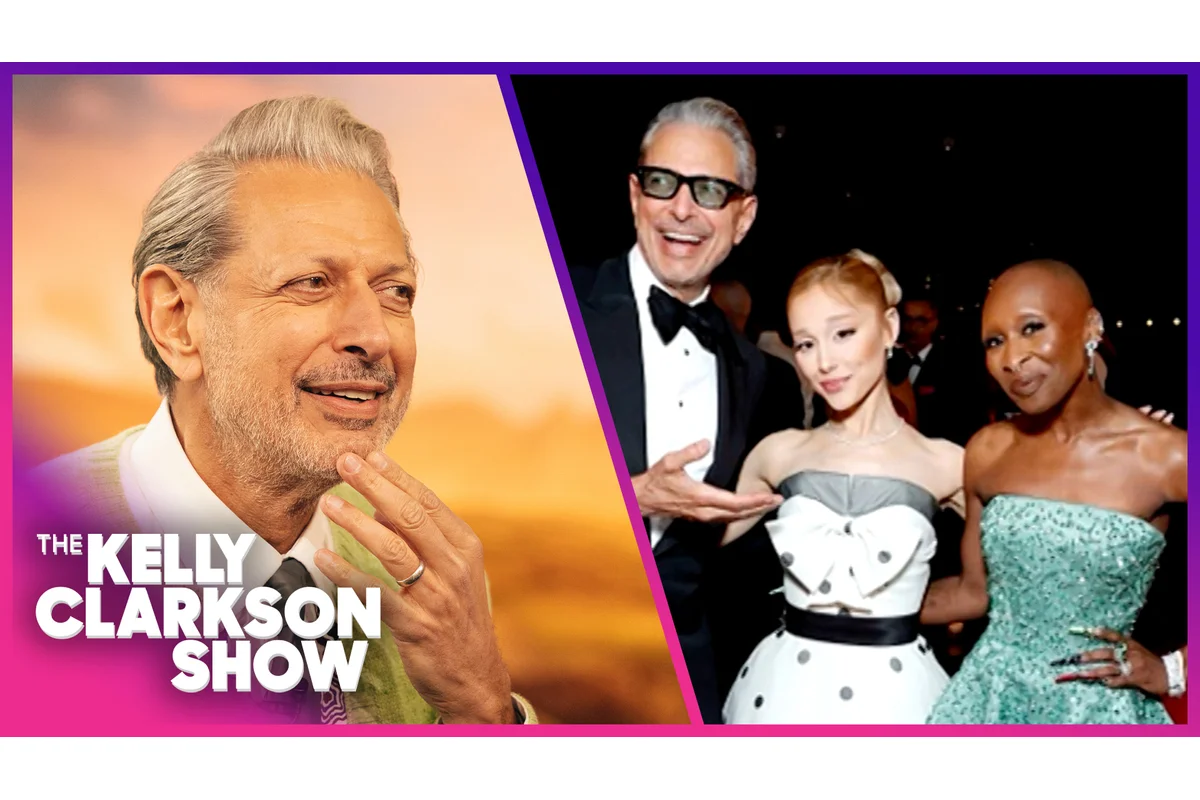
Jeff Goldblum’s Hollywood career has been marked by versatility and unexpected choices, but one long-held dream remained just out of reach: working with director David Lynch. Despite decades of diverse roles and partnerships with celebrated filmmakers, Goldblum and Lynch never collaborated before Lynch’s passing in 2025, leaving fans to wonder about the creative possibilities that might have unfolded.
Goldblum’s Dual Legacy in Hollywood
Jeff Goldblum achieved what few in his field have managed, building a reputation as both a charismatic leading man and a magnetic character actor. From his early work in films like “The Fly” and mainstream hits such as “The Big Chill,” to scene-stealing performances in “Jurassic Park,” “The Grand Budapest Hotel,” several Marvel movies, and “Wicked,” Goldblum proved adept at thriving in every genre. His unique presence—marked by relaxed charisma, sharp good looks, unconventional line delivery, and a sense that he’s always slightly out of sync with the rest of the cast—has become his hallmark.
Unlike many actors who find themselves confined to specific niches, Goldblum moved seamlessly between worlds. Major directors including Robert Altman, David Cronenberg, and Steven Spielberg sought his talents, reinforcing his standing among Hollywood’s elite. Yet, amid this impressive list of collaborators, a partnership with David Lynch remained absent—a fact that has inspired fascination among film lovers and critics.

The Missed Opportunity with David Lynch
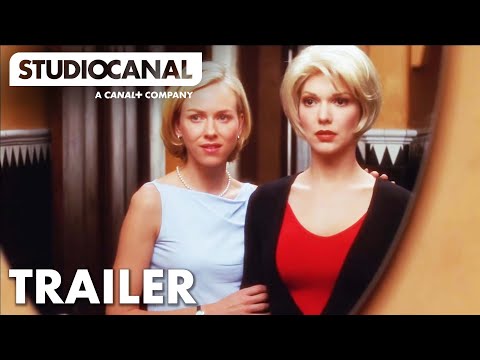
Goldblum expressed his admiration for Lynch during a 2010 conversation with Rotten Tomatoes, naming “Mulholland Drive” as one of his favorite films. He said, I just think he’s spectacular, highlighting his desire to work alongside the famed surrealist. Lynch, who passed away in 2025 without having directed Goldblum, was renowned for creating films steeped in dreamlike logic and eccentricity, often bringing out transformative performances from his cast. This unfulfilled partnership left a significant “what if” that hovers over Goldblum’s Hollywood career.
Why Their Artistic Paths Never Crossed
On the surface, David Lynch and Jeff Goldblum seemed destined for collaboration. Both charted their own courses—Lynch as a filmmaker who carved out an outsider’s reputation through unconventional stories, and Goldblum as an actor who continuously surprised audiences with every film. However, their similarities masked notable differences. Lynch’s creativity stemmed from deep sincerity and a unique warmth toward the world, guiding actors to deliver raw, sometimes vulnerable performances. Goldblum, by contrast, often leans into theatricality, performing with a kind of ageless showmanship that stands apart from method or traditional approaches. While Lynch might be viewed as almost monk-like in his intensity, Goldblum’s exuberance is more reminiscent of a circus ringmaster.
This divergence in artistic philosophy may have ultimately kept them from working together. Where Lynch sought to transform actors to fit his cinematic visions—using cryptic directions such as telling Laura Harring to “walk like a broken doll” or molding Naomi Watts’ performance in “Mulholland Drive”—Goldblum’s essence tends to shine through in every role. Naomi Watts once shared her experience working with Lynch, saying that even when the story felt mystifying, she and her co-stars placed their trust in his guidance.
The Hypothetical Roles and the Enduring Mystery
Fans and critics have speculated about which Lynchian characters Goldblum might have inhabited. His ability to dominate a scene with peculiar energy could have brought new dimensions to antagonists like Frank Booth in “Blue Velvet”—a role ultimately and famously claimed by Dennis Hopper—or perhaps he might have become the idiosyncratic Dr. Jacoby in “Twin Peaks.” The enduring question remains whether Lynch’s direction could have reshaped Goldblum’s formidable style, or whether their distinct sensibilities would have clashed on screen.
As it stands, the collaboration between Jeff Goldblum and David Lynch will forever remain a tantalizing “what could have been” in cinematic history. While their combined creativity might have yielded something remarkable, the lack of a shared project now fuels imaginations, suggesting that sometimes, legendary Hollywood careers are also defined by the roles and relationships that never materialize.