
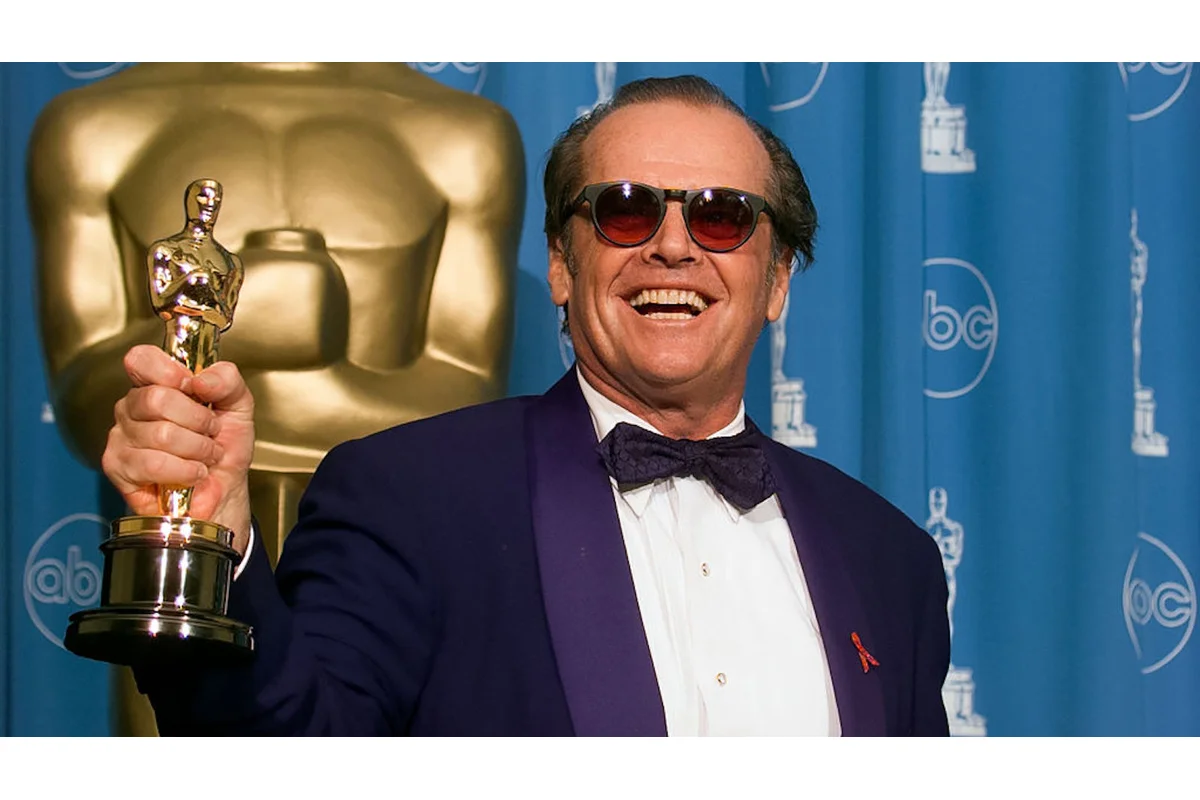
In a reversal of his usual on-set dominance, Jack Nicholson was once genuinely unnerved by a director, a revelation that sheds light on a lesser-known chapter in his celebrated career. The story of Jack Nicholson intimidated by director Vincente Minnelli during the making of
“On a Clear Day You Can See Forever”
uncovers the emotional complexity that even industry icons can experience.
Nicholson’s Early Reputation and Persona
After breaking out in the ‘New Hollywood’ era, Nicholson quickly became one of cinema’s most recognizable personalities. Directors, particularly newcomers or those less established, often found themselves apprehensive in his presence. Nicholson commanded attention not only as a performer but also as a cultural figure whose off-screen reputation for hard living often preceded him. He was known for his indelible performances and his reputation as a womaniser and wild man, bringing that persona with him onto every set.
Facing a Hollywood Legend: Vincente Minnelli
Despite his supreme confidence, Nicholson’s poise was tested after his role in “Easy Rider.” Taking on the audition for Tad Pringle in Minnelli’s 1970 film, Nicholson confronted a director whose legacy was already cemented. Vincente Minnelli had achieved an Academy Award for “Gigi” and was celebrated as a visionary filmmaker willing to tackle a diverse array of genres with a distinct visual flair.
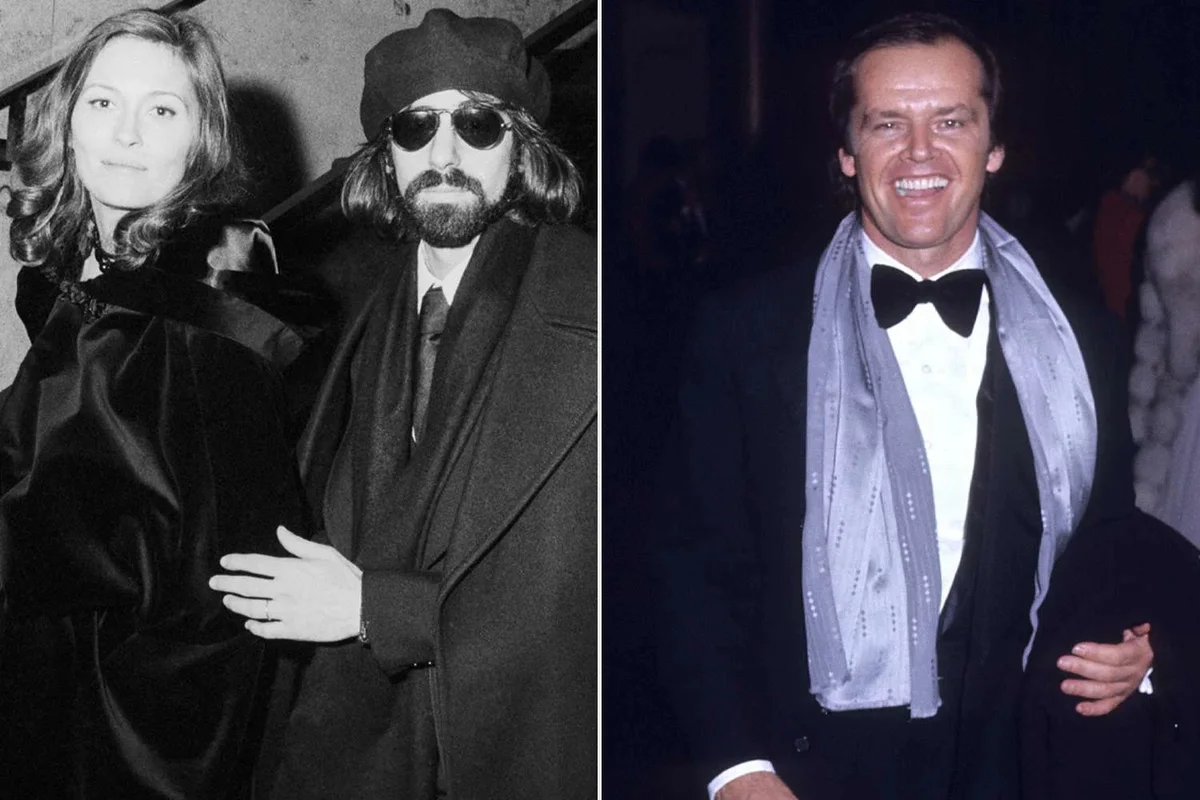
During the audition, Nicholson employed bravado as a shield.
“You can use me or not,”
he told Minnelli.
“I can tell you my credits. I can charm you. But really, I’m the best actor there is in my age group.”
– Jack Nicholson. His longtime friend Bruce Dern recognized this show of confidence as compensation for his underlying anxiety about impressing Minnelli.
An Unnerving Audition and the Challenge of Singing
Nicholson’s feelings of intimidation grew as the audition progressed, especially when he faced the challenge of singing for the director. He later shared with Bruce Dern,
“Minnelli intimidated the shit out of me,”
– Jack Nicholson. The pressure mounted when it came time for Nicholson to audition solo, singing “Don’t Blame Me” a cappella to Minnelli alone in the room.
“They didn’t know if I could even carry a tune,”
Nicholson recalled.
“So I auditioned. Just me and him in the room. Me singing ‘Don’t Blame Me’ a cappella to Minnelli. It blew my mind!”
– Jack Nicholson.
Motivation and Retrospective Regret
Although he ultimately secured the part, Nicholson later admitted that his motivation was less about creative fulfillment and more about fulfilling personal obligations—including alimony and child support to his ex-wife, Sandra Knight. Negotiating his salary multiple times, he ensured a $12,500 payday that addressed those needs.
Looking back, Bruce Dern criticized Nicholson’s performance, describing his work in the film as “uncomfortable,” and labeling the project as both “pitiful” and “a total toilet job.” The initial intimidation Nicholson felt toward Minnelli faded into commercial disappointment and regret following the film’s release.
Legacy of a Vulnerable Moment
Jack Nicholson’s admission of being intimidated by Vincente Minnelli offers a rare glimpse behind the confident exterior that defined his persona throughout decades in Hollywood. For audiences and filmmakers alike, this moment demonstrates that even the most celebrated stars can be spiritually challenged, particularly when confronted by a towering figure in the industry like Minnelli. The episode adds emotional depth to Nicholson’s illustrious journey, making it a notable instance where vulnerability shaped his experience as an actor.

