
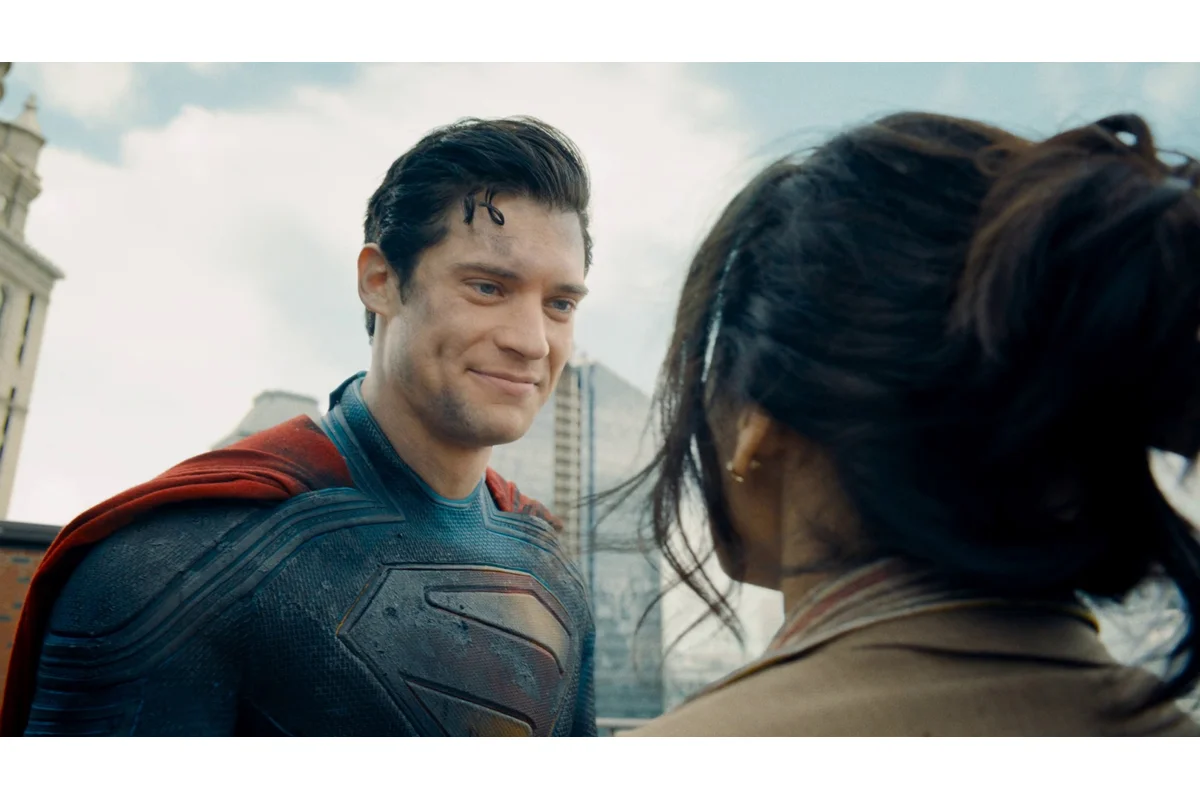
James Gunn Superman backlash is making headlines as major Hollywood power players reportedly favor a return to Zack Snyder’s large-scale, mythic style of filmmaking, signaling a shift in industry dynamics. Insiders suggest Warner Bros.’ potential new leadership calls for epic, event-focused superhero stories, putting Gunn’s more grounded approach under scrutiny.
Hollywood Leadership Shifts Toward Epic Storytelling
Recent developments point to a new alliance of influential figures, including Donald Trump, the Ellison family, Saudi interests, and others, who are advocating for a renewed focus on blockbuster entertainment in Hollywood. This group is reportedly encouraging studios to embrace expansive mythologies, action-oriented cinema, and narratives that appeal across all demographics. Their preferences contrast sharply with the more personal, emotionally driven style that James Gunn has applied to the Superman franchise.
Inside sources report that the Saudis, along with the UFC, prefer the robust, dramatic filmmaking that Zack Snyder is known for—emphasizing powerful visuals, heroic themes, and a sense of grandeur. This cinematic style aligns with the UFC’s ongoing expansion into streaming platforms, exemplified by their first major event, UFC 324, featured on Paramount+. The UFC’s partnership with the Saudis, including hosting a significant event at the White House, underlines this push for large-scale entertainment experiences.
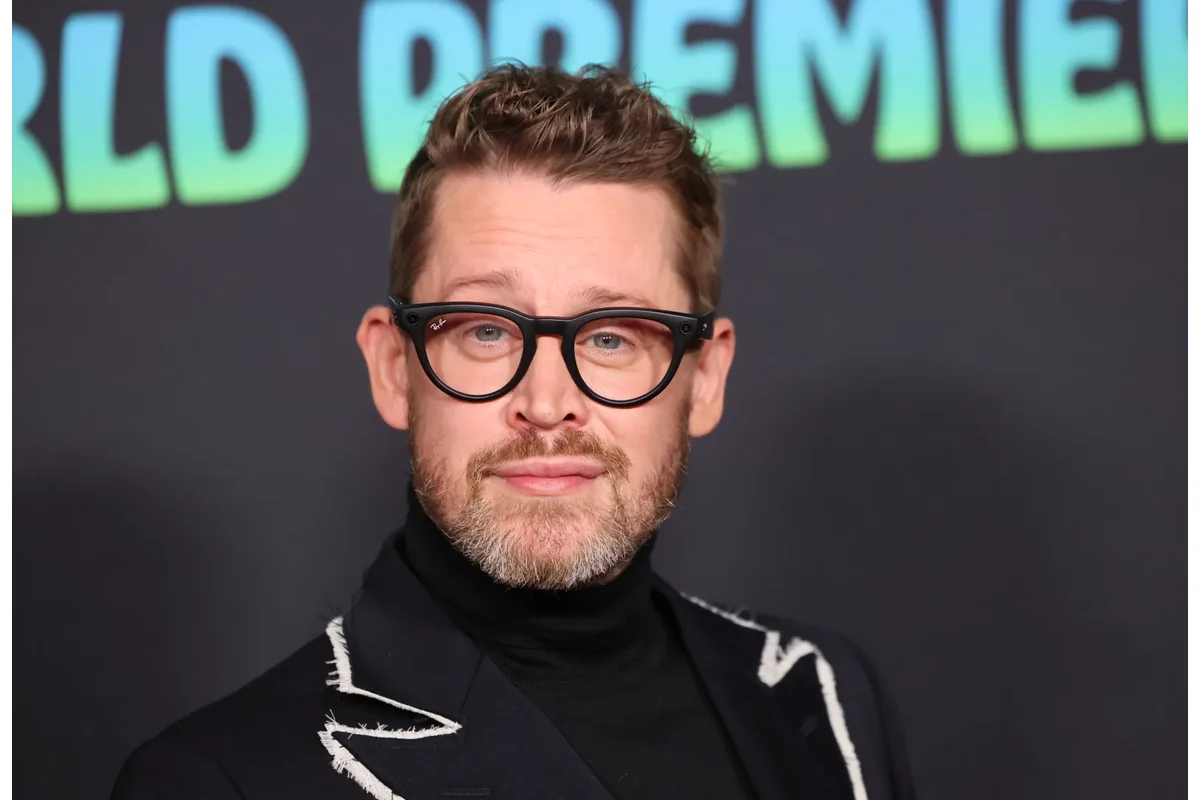
Brett Ratner’s reemergence in the industry is also part of this movement. Having financially supported the SnyderVerse and directed projects linked to the Trump network, Ratner is a key participant among those favoring spectacle-driven films. Reports also suggest Michael Bay is resuming work with the Transformers franchise, further supporting this return to franchise blockbusters.
Zack Snyder’s Films Align With Industry’s New Vision
Insiders assert that filmmakers such as James Cameron and Christopher Nolan exemplify the model that Hollywood’s new leadership values: stories built on mythology, grand scale, and archetypal heroes. Snyder’s previous DC films—Man of Steel, Batman v Superman, and Justice League—embody these qualities, with their larger-than-life characters and sweeping narratives.
Source accounts recall that James Cameron encouraged Snyder to film Man of Steel in native 3D to fully capture its mythic essence, although Snyder proceeded with his own vision amid resistance from Warner Bros. Producer Dallas Sonnier recently reflected this same sentiment while discussing a Trump-supported revival of the Rush Hour franchise. He explained that the new trend is toward
“a wave of classically male-driven movies with mentally tough, traditional, courageous, confident heroes. Maybe even a tad cocky, but dedicated to honor and duty. Plus, of course, a few explosions, gun battles, helicopters, fistfights, and car chases!”
— Dallas Sonnier, Producer
This direction closely matches what audiences experienced in Snyder’s Superman, distinct from Gunn’s version.
Backlash Grows as Gunn’s Superman Struggles Globally
Critics argue that James Gunn’s approach to Superman is out of step with the international market’s appetite for mythic, powerhouse heroes. According to insiders, the success of productions like K-Pop Demon Hunters, especially in Asian markets, highlights a preference for bold, iconic characters who command respect and appear invincible.
Unlike the emotionally reflective and vulnerable qualities emphasized in Gunn’s Superman, these newer hits celebrate protagonists modeled after charismatic performers such as Michael Jackson and Elvis Presley. The same sources claim that Gunn’s film failed to connect with international audiences, who sought heroes embodying confidence and dominance.
One insider put it this way:
“The success of K-Pop Demon Hunters revealed the flaws of James Gunn’s Superman — the Asian audience and the rest of the world want strong, edgy, and mythological stories, with bigger than life rock star personalities like Michael Jackson and Elvis (two legends that could command a room and inspired awe), not someone like Gunn’s Superman who whines, gets pushed around, and too busy dealing with feelings and victimized in the moment of crisis. The protagonists in K-Pop Demon Hunters were iconic, bigger-than-life, mythological, and weren’t portrayed as victims. Zack Snyder’s DC fits perfectly with the current and future zeitgeist.”
— Insider
This emphasis on characters who radiate confidence and myth has only strengthened the case for Snyder’s style among emerging Hollywood decision-makers.
Dana White Highlights Loss of Cultural Moments in Film
UFC figure Dana White’s reflections on the current state of Hollywood further reinforce the growing dissatisfaction with today’s fragmented entertainment landscape. White recently discussed what he calls the “death of monoculture,” lamenting the loss of communal, event-style moviegoing experiences that once united audiences in theaters.
White described how the Hollywood studios of the past prioritized the best scripts, creating must-see moments and shared excitement for movie releases. He argued that the contemporary focus on streaming and social media has led to diluted attention spans and films that lack cultural weight, leaving audiences unaware or uninterested when new titles are released.
White cited the recent success of F1, which drew sustained crowds to movie theaters due to its event-focused approach, as evidence that audiences still crave shared cinematic experiences. This model, favored by figures like Trump, the Ellisons, Saudis, and the UFC, aims to recapture monumental, collective moments in entertainment.
The same insiders note that Zack Snyder’s direction is built around these types of shared spectacles. In a direct collaboration with the UFC, the Saudis, and Dana White, Snyder is currently developing an action film titled UFC Brawler, signaling further alignment with event-driven entertainment.
Saudis and AI Investments Drive Event Cinema Revival
According to informed sources, a recent agreement between Donald Trump and Saudi interests, focused on developing nuclear-powered artificial intelligence infrastructure, will play a major role in the next era of entertainment. As AI demands significant energy resources, it is expected to power a new kind of mobile-focused entertainment tailored to what is called the “Scrolling Class”—billions using phones as their primary medium for content.
Despite this technological leap, leading figures such as the Ellisons, Saudis, and Dana White are championing a revival of monoculture. Their strategic vision includes reinstating theatrical blockbusters and live sporting events as essential, communal experiences that encourage in-person engagement and cultural participation.
This approach leaves little room for introspective or small-scale superhero stories, instead recommitting the industry to high-budget, visually stunning mythological adventures—precisely the kind of filmmaking Snyder specializes in.
In a symbolic move underscoring the intersection of business, politics, and entertainment, Melania Trump announced the creation of Muse Films, her own production company. This comes ahead of Brett Ratner’s upcoming documentary on Melania Trump and is set to debut in theaters globally at the start of 2026. The company’s name references both mythological inspiration and a nod to Donald Trump’s past Secret Service codename.
“PRESENTING: MUSE FILMS My new production company.MELANIA, the film, exclusively in theaters worldwide on January 30th, 2026. pic.twitter.com/JgdG1vnOrC”
— Melania Trump, via Twitter
Snyder Emerges as Warner Bros.’ Preferred Visionary
As speculation mounts regarding the Ellison family’s bid to take control of Warner Bros., all indications point to Zack Snyder as the creative force most aligned with their ambitions. Sources close to the situation confirm that if the Ellisons acquire the studio, they intend to prioritize films characterized by mythology, large-scale action, and universally recognizable heroes with far-reaching audience appeal.
This stands in stark opposition to James Gunn’s direction, which many insiders believe will end with the sale of Warner Bros. Discovery. The mounting James Gunn Superman backlash only amplifies the divide, as major players seek a return to the grandeur and spectacle that Snyder offers.
With Donald Trump and Saudi investors steering Hollywood toward a new era of event-oriented filmmaking, Zack Snyder appears poised to play an influential role in shaping the industry’s future, reflecting the desires of both new studio leadership and worldwide audiences for iconic, shared cinematic experiences.
PRESENTING: MUSE FILMS
My new production company.MELANIA, the film, exclusively in theaters worldwide on January 30th, 2026. pic.twitter.com/JgdG1vnOrC
— MELANIA TRUMP (@MELANIATRUMP) November 28, 2025
