
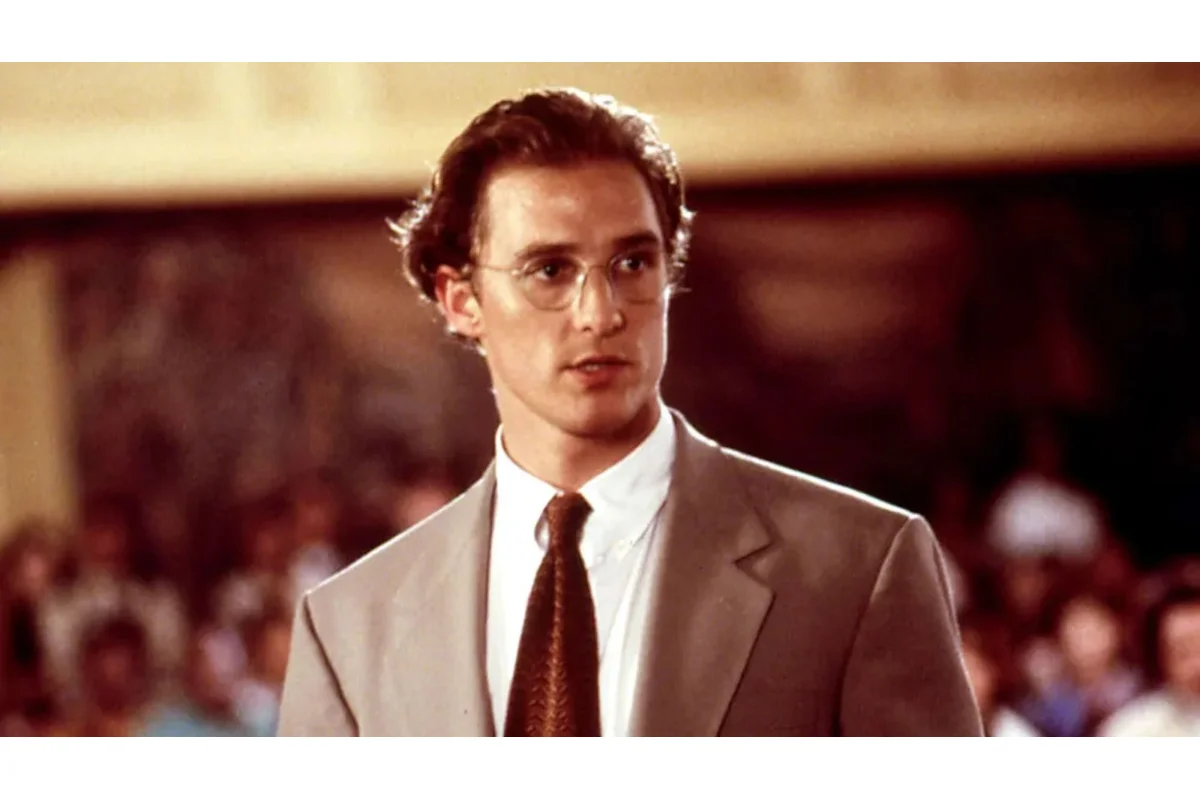
Matthew McConaughey streaming success has taken center stage as “A Time to Kill,” the 1996 legal thriller, experienced a resurgence on Netflix, entering the platform’s global top 10 charts for consecutive days. The renewed interest comes as fans of “The Lincoln Lawyer”—both the 2011 film starring McConaughey and its recent TV adaptation—seek more courtroom drama, with McConaughey’s earlier performance now capturing widespread attention.
Classic Legal Thriller Finds New Life on Netflix
Recently, “A Time to Kill” appeared as an unexpected hit in Netflix’s worldwide rankings, appealing especially to followers of the “The Lincoln Lawyer” television series. While the show, based on Michael Connelly’s novels, wraps up its third season and prepares for a fourth, fans yearning for McConaughey’s presence found a substitute in this older film. Notably, McConaughey never reprised his lead role as attorney Jake Brigance in a sequel, making “A Time to Kill” the most accessible opportunity for fans to watch his legal drama work once more.
Controversies have accompanied the film during its fresh round of popularity, particularly surrounding one of the key performances. Discussions have emerged about film editing choices and their impact on cast recognition, especially regarding Samuel L. Jackson’s portrayal.
Behind the Scenes: Box Office Wins and Creative Decisions
Directed by Joel Schumacher, known for blockbuster films such as “Batman Forever” and “Batman & Robin,” “A Time to Kill” was released amidst the director’s ventures into both superhero and legal genres. Schumacher also helmed “The Client” just before “Batman Forever”; that film, starring Tommy Lee Jones—famous for his role as Two-Face in Schumacher’s Batman—earned close to $120 million worldwide.
“A Time to Kill” stood out for exceeding its $40 million budget, ultimately grossing more than $150 million at the global box office. Alongside McConaughey, its ensemble featured major stars including Samuel L. Jackson, Sandra Bullock, and Kevin Spacey. The film’s gripping depiction of a Black man’s trial after seeking justice for his daughter resonated with audiences, adding layers to the ongoing conversation about its cultural significance and casting.
Critical and Audience Response Remain Divided
The film, adapted from the John Grisham novel, centers on Jake Brigance’s defense in a high-stakes trial, with societal and political themes at its core. Upon its release, critics awarded it a 66% score on Rotten Tomatoes, indicating mixed but generally favorable reviews. The website’s summary notes,
“Overlong and superficial, A Time to Kill nonetheless succeeds on the strength of its skillful craftsmanship and top-notch performances.”
—Rotten Tomatoes, Critics Consensus. In contrast, the film enjoys an 85% audience score, suggesting broader public appreciation than critical consensus.
Compared to McConaughey’s later work in “The Lincoln Lawyer,” which brought in around $90 million globally, “A Time to Kill” remains his more commercially successful foray into legal drama. The Oscar-winning actor has since appeared in other highly regarded projects, most recently starring in Paul Greengrass’s “The Lost Bus” on Apple TV to strong reviews, continuing his reputation for compelling performances.
Controversy Over Edited Performances
Years after the release of “A Time to Kill,” Samuel L. Jackson expressed frustration in an interview with Vulture, claiming that editing decisions limited the impact of his role and possibly cost him greater accolades.
“The things they took out kept me from getting an Oscar,”
—Samuel L. Jackson, Actor. Jackson described how emotional scenes were omitted:
“My first day working on that film, I did a speech in a room with an actor and the whole f***ing set was in tears when I finished. I was like, Okay. I’m on the right page. That s**t is not in the movie! And I know why it’s not. Because it wasn’t my movie, and they weren’t trying to make me a star. That was one of the first times that I saw that s**t happen.”
—Samuel L. Jackson, Actor. His candid comments reignited debate about recognition, editing power, and the limits placed on performances within complex ensemble films.
Enduring Appeal and What Comes Next
With “A Time to Kill” back in the spotlight through its Netflix success, Matthew McConaughey’s early career achievements are reaching new viewers, while fans reflect on legal thrillers as a genre. The renewed streaming interest and continued discussion of the film’s casting and production choices signal an ongoing engagement with the legacy of its characters and story. As McConaughey advances in his career—most recently in “The Lost Bus” by Paul Greengrass—and the “The Lincoln Lawyer” series readies future seasons, audiences are likely to revisit and reassess the major performances and filmmaking decisions that shaped both his filmography and the broader landscape of courtroom dramas.
