
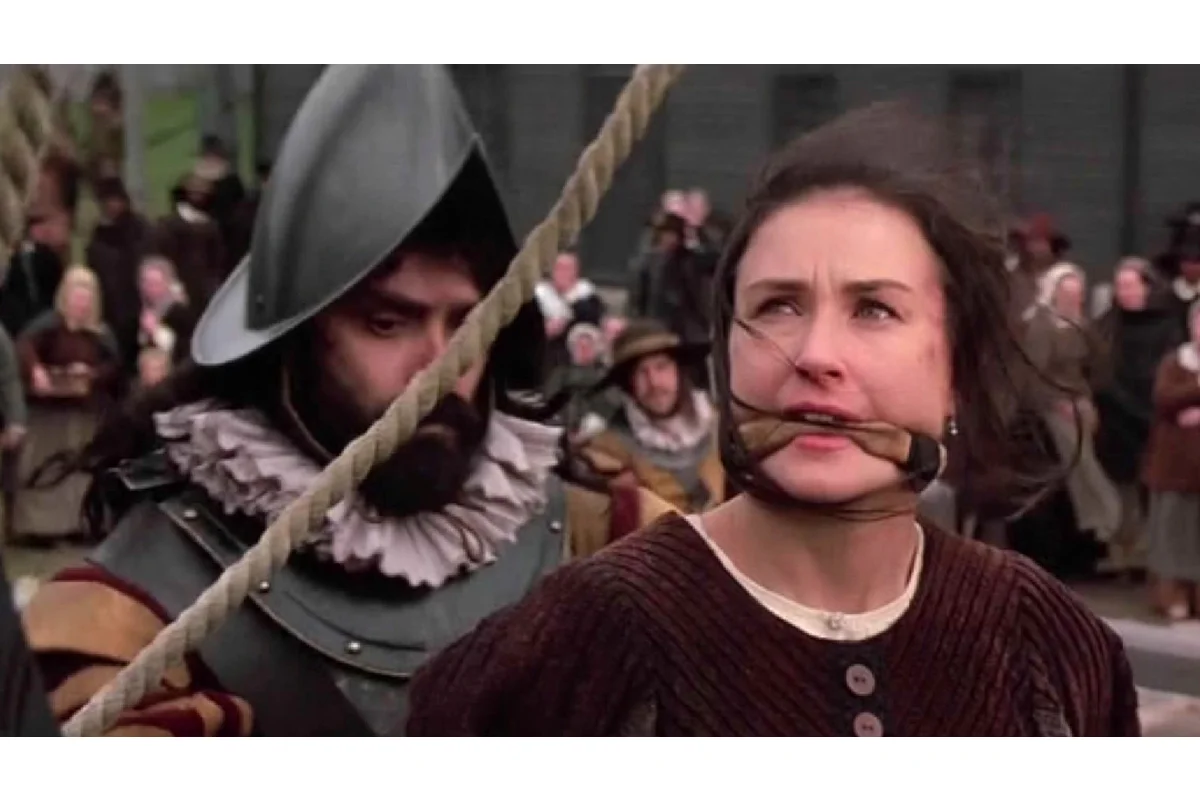
In 1995, Disney, through its Buena Vista Pictures label, attempted to bring Nathaniel Hawthorne’s classic tale to life with the Demi Moore Scarlet Letter movie, only to produce one of the most criticized films in its history. The adaptation transformed Hawthorne’s literary work into an R-rated romantic thriller featuring Demi Moore and Gary Oldman, but this controversial approach failed to resonate with either critics or audiences.
Disney’s Risky Adaptation of a Literary Classic
Disney, known for turning to public domain stories for its animated successes, continued this tradition as it broadened into live-action movies. Hoping to replicate its proven formula, the studio adapted Hawthorne’s 1850 novel, but the creative direction set by Roland Joffé proved disastrous. Instead of preserving the original’s moral complexity, the film leaned heavily into sensuality and drama, pivoting from Hawthorne’s intention to highlight the consequences of scandal and shame in a puritanical society.
This adaptation cast Demi Moore as Hester Prynne and Gary Oldman as her forbidden lover, taking considerable liberties with the source material. The narrative was reimagined as an erotic thriller, a choice at odds with Hawthorne’s cautionary story about an illicit affair between a woman and a minister, producing a child out of wedlock. The focus shifted from the exploration of personal and social consequences to sensationalist themes, missing the point critics say the novel so powerfully made.

Award Nominations for All the Wrong Reasons
Upon release, critics universally panned the Demi Moore Scarlet Letter movie, securing an abysmal 13% approval on Rotten Tomatoes. Not only did the movie suffer at the box office, but Demi Moore’s career was further impacted by its reception, with her performance drawing direct criticism. Moore received Razzie nominations for both Worst Actress and Worst Screen Couple alongside Gary Oldman. The film accumulated a total of seven Razzie nominations, taking home the infamous prize for worst remake.
The negative attention echoed the way critics and the public perceived the project, cementing its legacy as a cinematic misstep. The adaptation’s failure was so pronounced that it almost overshadowed the previous year’s setbacks for Moore, including her role in “Striptease,” another box office disappointment.
Legacy of The Scarlet Letter Adaptation
Nathaniel Hawthorne passed away more than 130 years before this adaptation reached theaters, sparing him the experience of seeing his work so dramatically altered. Many believe that, had he lived to witness the film’s release, he may have joined other writers in their disappointment over poor adaptations of their creations. Questions have been raised about whether Hawthorne would have favored Emma Stone‘s 2010 comedy reinterpretation, “Easy A,” regarded by some as a successful modern take on his story, over Disney’s troubled production—though there is little doubt which he might have preferred if asked to choose.
The fallout from the Demi Moore Scarlet Letter movie stands as a cautionary tale in Hollywood, reminding studios and filmmakers of the risks involved in reimagining revered literature without respecting its core themes. Disney’s attempt with Buena Vista Pictures remains an example of how dramatic shifts in tone and intent can lead not only to critical and commercial failure but can also impact the reputations of those involved, including major stars like Demi Moore, director Roland Joffé, and even the legacy of Nathaniel Hawthorne himself.
