
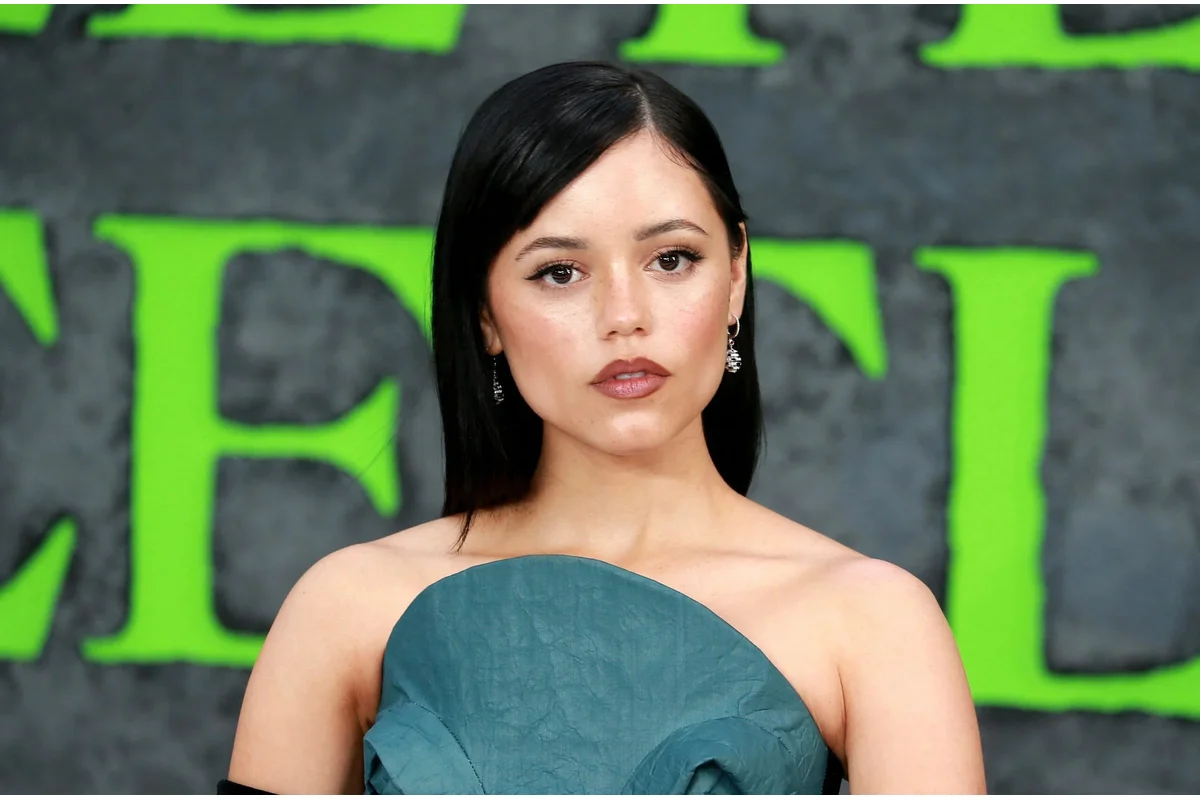
Jenna Ortega delivered a powerful statement at the Marrakech Film Festival, urging listeners to consider the emotional shortcomings of artificial intelligence in creative work. Raising the Jenna Ortega AI warning in a room full of filmmakers, she expressed deep concern that artificial intelligence may never be able to replicate the authentic connection that audiences find with human-crafted art.
Jenna Ortega Voices Concerns Over Artificial Intelligence in Storytelling
Speaking during the jury press conference at the festival, Ortega did not hold back about her discomfort regarding AI in the entertainment world. Citing the irreplaceable quality of human creativity, she said that the modern age has once again shown humanity taking advances to troubling extremes. Ortega described these times as deeply uncertain, likening the rise of AI to opening Pandora’s Box.
Ortega highlighted that certain characteristics are unique to human creators, including the beauty found in imperfection and mistakes—qualities she believes a machine simply cannot produce. With her comments, she conveyed a belief that computers lack what makes art meaningful and relatable to people. Audiences, she predicted, would ultimately struggle to connect with content made entirely by machines because it is missing “soul” and resonance.
Direct Quotes: Leading Artists Issue Warnings About AI
“I don’t want to assume for the audience, but I would hope it gets to a point where it becomes some sort of mental junk food, AI and looking at the screen, and then suddenly we all feel sick, and we don’t know why, and then that one independent filmmaker in their backyard comes out with something, and it releases this new excitement again.”
– Jenna Ortega, Actress
Bong Joon Ho, president of the jury and renowned director of “Parasite,” also commented on the technology’s implications. While he acknowledged some positive aspects, Bong voiced a surprisingly aggressive personal opposition to AI, pointing to the potential harm it poses to artists.
“My official answer is, AI is good because it’s the very beginning of the human race finally seriously thinking about what only humans can do. But my personal answer is, I’m going to organise a military squad, and their mission is to destroy AI.”
– Bong Joon Ho, Director
During the discussion, “Past Lives” director Celine Song echoed recent remarks by Guillermo del Toro, asserting a strong objection to incorporating AI into her own filmmaking. She highlighted a major concern: AI’s domination over how people experience images and sound, and its threat to the integrity of the artistic process.
“Severance is one of the best documents about the way that AI is completely taking over what is beautifully difficult about human life… the thing I’m actually more worried about than anything, is the way that it is trying to encroach on what makes our lives very, very beautiful and very, very hard, and what makes living worth doing.”
– Celine Song, Director
“The images that I make with my cinematographer is what I get by having his entire life’s work and his entire existence as a human being, the difficulties, the failures, everything… so deeply and… not very respectfully f*** AI.”
– Celine Song, Director
Other Directors Weigh the Pros and Cons of AI
While most of the panel expressed deep reservations, French director Julia Ducournau was the only participant to identify potential benefits. She described her experience using AI as a tool in her recent film “Alpha,” especially for improving CGI effects. Ducournau maintained that while AI can help efficiency, it must never replace human jobs or the collaborative spirit at the core of artistic creation. She emphasized the importance of personal interaction, expressing that machines cannot engage in an authentic creative dialogue like human colleagues can.
“In Alpha, my latest film, we used it for CGI and it really did help us a lot. However, I really believe that at no point should AI take over human work and human interaction. I cannot have an artistic dialog with AI. I can have an artistic dialog with my CGI supervisor in the way we’re going to use that tool. I think that it should just remain a tool.”
– Julia Ducournau, Director
Jury’s Reflections Highlight Tension Between Technology and Artistry
Throughout the discussion at the Marrakech Film Festival, anxiety among artists was clear. Jury members like bong joon ho and celine song, as well as contributors such as guillermo del toro and julia ducournau, painted a picture of an industry at a crossroads. While the possibilities of using AI in areas like CGI or cost-saving are recognized, the overriding sentiment was one of distress, particularly regarding the impact on human expression and the soul that defines memorable creations.
The discussion also touched on broader concerns about humanity’s direction, with references to both the rewards and the dangers of pursuing technological advances without considering the consequences for culture and creativity. The remarks from filmmakers and panelists illustrated a shared worry that audience members, fans, and staff involved in storytelling may someday long for, or even demand, a return to work crafted with unmistakable human touch.
Looking Ahead: What the Debate Means for the Future of Film and Creativity
Jenna Ortega’s AI warning encapsulated the anxious mood among artists at the festival, as she and her peers at the jury press conference called for audiences to recognize what might be lost in the rush to adopt artificial intelligence. The conversation signaled a desire to defend humanity’s unique role in storytelling, as creators grapple with questions about authenticity and artistic value. Going forward, the industry must confront the challenge of balancing innovation against the irreplaceable soulfulness of human-made art, an issue that will likely shape debates at future events and within creative organizations everywhere.
