
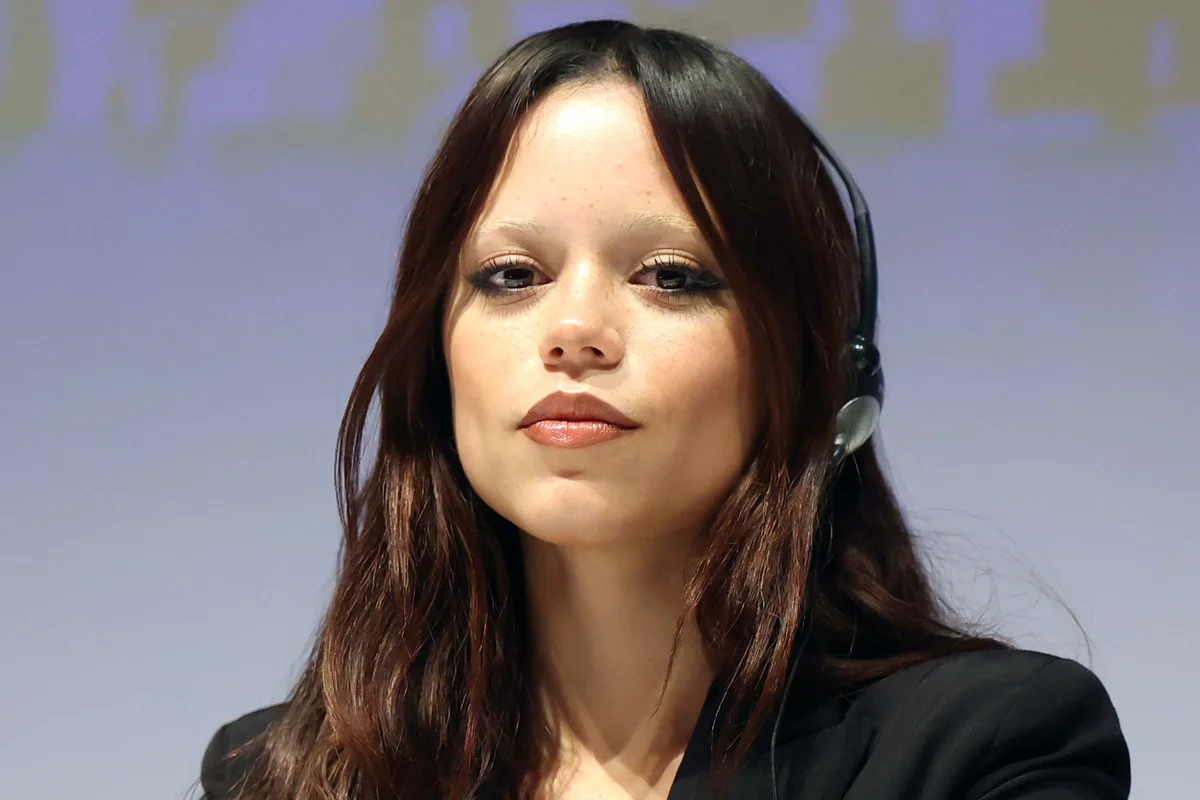
Jenna Ortega on AI in film has sparked new conversation in the entertainment industry, as the acclaimed actress warned that artificial intelligence in movies threatens to erode the irreplaceable qualities of human creativity. Sharing her intense feelings during a recent jury press conference at the Marrakech Film Festival, Ortega voiced deep reservations about AI’s expanding impact in Hollywood and its possible consequences for artists and audiences alike.
Hollywood at a Crossroads Over Artificial Intelligence
Artificial intelligence is currently one of the most debated topics in Hollywood, splitting opinion across the industry. The use of AI in film and television production has supporters and detractors, with arguments raging over its creative potential versus the risks it poses to traditional forms of storytelling and artistic expression. Jenna Ortega, recognized for her work as a child actor and her breakthrough role as Wednesday Addams in the Netflix series “Wednesday,” recently addressed these tensions, emphasizing the risk of losing the “human touch” in cinematic art.
Ortega, serving as a juror at the Marrakech Film Festival, expressed her apprehension about the rapid advancements in AI and their implications for the future of entertainment during a jury press conference on November 29. Her candid remarks highlighted the complex feelings many artists harbor about the technology’s growing adoption in creative processes.
Ortega’s Deep Concerns: Human Creativity Versus Machine Efficiency
Ortega did not shy away from expressing the emotional and professional anxiety brought on by the rise of AI in the arts. She described a sense of fear and inevitability, suggesting that artificial intelligence represents a dangerous leap similar to opening Pandora’s box. Her words portrayed a deep unease shared by many in her field, as the technology’s capabilities continue to blur the line between authentic art and algorithmic production.
There is, weirdly, charm in the human condition and also, just, like, us as humans, we have a tendency to… when you look back at our history, we always take things too far, and I think it’s very easy to be terrified—I know I am—in times like this, of deep uncertainty. And it kind of feels like we’ve opened up Pandora’s box, in a way.
— Jenna Ortega, Actress
She further drew attention to the unique beauty found in human error and artistic struggle, something technology cannot replicate, noting how artists’ mistakes and imperfections often become the birthplace of truly moving art. Ortega argued that a computer, regardless of sophistication, lacks “soul,” and therefore cannot create works that resonate with audiences on a profoundly human level.
[We] were talking about this a little bit yesterday, as a group. […] About how, in these difficult times and confusing times, oftentimes it pushes the artist to speak out more, to do more. For there to be this new awakening and passion and protection, and I want to assume, and hope, that that is the case. But there’s certain things that AI just isn’t able to replicate. And yes, there’s ‘beautiful’ in difficulty, and there’s ‘beautiful’ in mistakes, and a computer can’t do that. A computer has no soul, and it’s nothing that we’ll ever be able to resonate with, or relate to.
— Jenna Ortega, Actress
The Threat to Artists and the Creative Workforce
Layoffs and shrinking opportunities already burden artists in the entertainment sector, and the potential for AI to take over creative jobs only adds to these pressures. Ortega recognized that this challenge could, paradoxically, lead artists to push back by taking greater risks and amplifying their creative voices. She envisioned a scenario where the ongoing struggle becomes a catalyst for renewed innovation among human creatives—something AI cannot substitute.
Concerns over mass job losses, as seen in various sectors like media, film, and television, find real validation in Ortega’s warnings. She urged her peers and audiences to remain vigilant, suggesting that the fear of loss might drive individuals to fight for authentic artistic expression more fervently than before.
A Vision of AI Saturation and a Return to Human-Made Art
Ortega laid out a possible future where audiences become so accustomed to AI-generated films and shows that they gradually grow weary of their artificial perfection and eventual sameness. She used the metaphor of “mental junk food,” proposing the idea that viewers may one day feel an inexplicable discomfort or emptiness after consuming machine-made content, ultimately leading to a renewed hunger for original human creativity.
I don’t want to assume for the audience, but I would hope it gets to a point where it becomes sort of mental junk food—AI—and looking at the screen, suddenly we all feel sick, and we don’t know why. And then, that one independent filmmaker in their backyard maybe comes out with something, and it releases this new excitement again.
— Jenna Ortega, Actress
This view aligns with her belief that sometimes people need to experience deprivation to once again truly value genuine, imperfect artistry. She speculated that the eventual effect of widespread AI-driven content might be to rekindle collective appreciation for authentic, soulful human storytelling.
I think, sometimes—as terrible as it is to say—sometimes audiences need to be deprived of something in order to appreciate something again.
— Jenna Ortega, Actress
Looking Ahead: Artists Adapting in an AI-Driven Industry
Ortega made it clear that artificial intelligence is not going away, and that both audiences and creators will need to figure out their places in this evolving landscape. She argued that those working in the arts must adapt—taking on the challenge of distinguishing their contributions with authenticity and emotional depth that computers are incapable of mimicking. This difficult transition, she believes, may ultimately benefit art lovers, as it compels artists to reach for new and bolder forms of self-expression.
As AI-generated media continues to flood social platforms, television, and film, the entertainment world faces a pivotal moment. Ortega’s warnings raise important questions about what people value in storytelling and how artists can best assert the irreplaceable nature of human insight and emotion in the creative process.
The enduring tension between efficiency and authenticity in art remains unresolved. Yet, as Jenna Ortega’s own reflections suggest, the hope persists that genuine, heartfelt creativity will always have a place, even in an age increasingly shaped by artificial intelligence.
Jenna Ortega stars in “Wednesday,” which is available to stream on Netflix. Her comments on AI have sparked widespread discussion among artists, audiences, and industry insiders about what the future of film may hold.
Jenna Ortega speaks out on the dangers of AI in film:
“I hope it comes to a point where it becomes mental junk food and we see it on the screen and feel sick and don’t know why. I think, as terrible as it is to say, sometimes audiences need to be deprived of something in order… pic.twitter.com/mdAIWqlRxO
— Variety (@Variety) November 29, 2025

