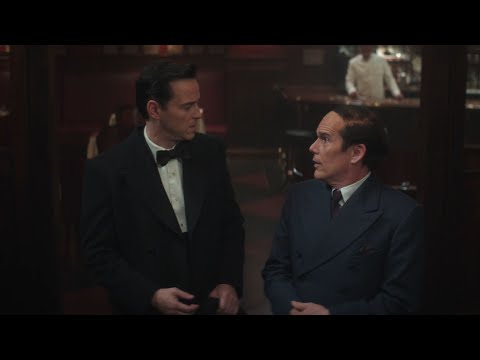
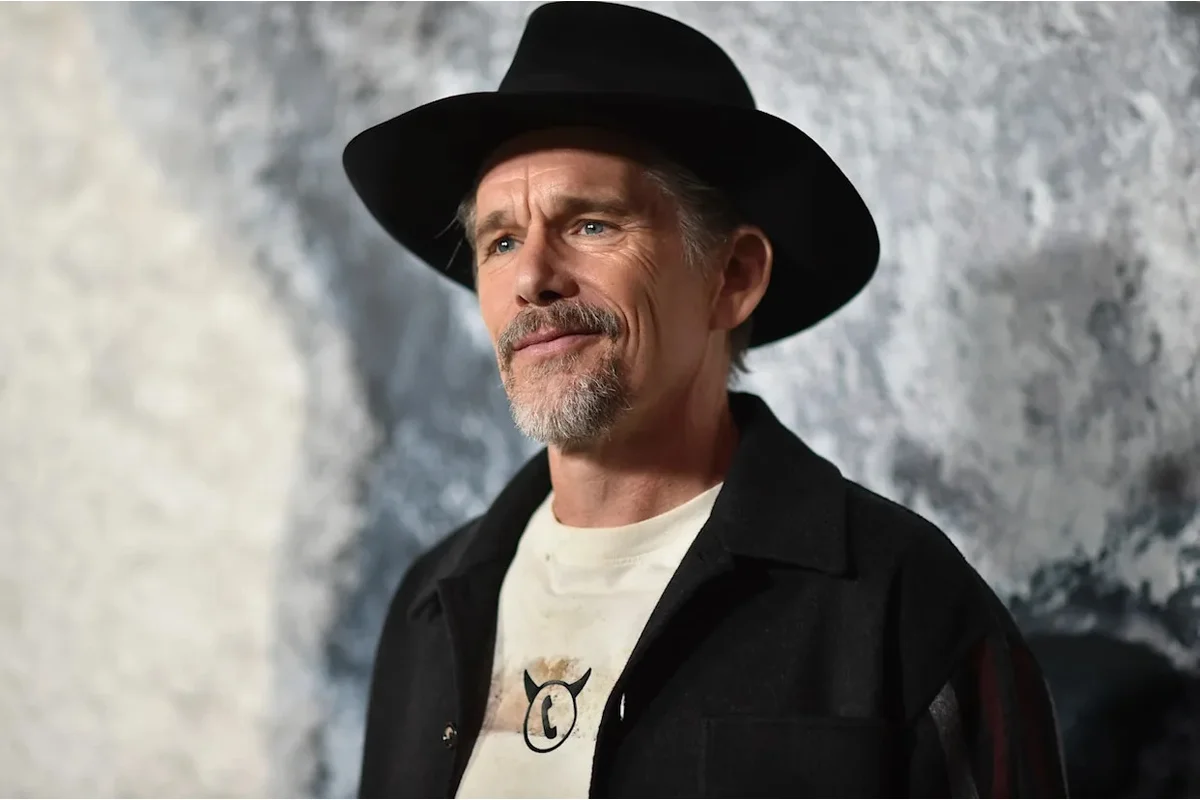
Director Richard Linklater and actor Ethan Hawke are extending their storied creative partnership with the upcoming film Blue Moon, blending Linklater’s directorial vision and Hawke’s acting prowess once again. The Ethan Hawke Blue Moon collaboration features Hawke portraying Lorenz Hart, as the film explores the poignant unraveling of a famous lyricist’s professional relationship at a crucial moment in music history.
Linklater and Hawke’s Enduring Artistic Bond
Over the course of three decades, Richard Linklater and Ethan Hawke have joined forces on nine films, including acclaimed works such as the Before trilogy and Boyhood, with the partnership earning a reputation for rich character studies and authentic dialogue. Their latest, Blue Moon, marks another ambitious collaboration, this time centering on the challenging final hours in the professional life of Lorenz Hart, famed for his collaboration with Richard Rodgers, as dramatized by Hawke’s intense performance.
The synergy between Linklater and Hawke is a highlight not just of their films but of their creative process. When together, their conversations evoke philosophical musings and witty exchanges reminiscent of a scene from one of Linklater’s scripts. The rapport that has shaped much of their shared filmography is evident — Linklater’s filmmaking sensibility meets Hawke’s sharp narration and compelling on-screen presence.
Blue Moon: A Tragicomic Portrait of Partnership and Loss
Blue Moon is an adaptation of a tragicomedy penned by Robert Kaplow, centering on Lorenz Hart, who wrote enduring classics for Rodgers and Hart such as “Blue Moon,” “Manhattan,” and “My Funny Valentine.” The film unfolds in real time inside New York’s Sardi’s restaurant on March 31, 1943, coinciding with the Broadway premiere of Oklahoma!, a show that signaled a new creative partnership between Richard Rodgers (played by Andrew Scott) and Oscar Hammerstein II (Simon Delaney), effectively severing the longstanding duo of Rodgers and Hart.
As Hawke embodies Hart, Blue Moon dives deep into the psyche of a lyricist grappling with heartbreak on multiple fronts — both professional and personal. The story not only captures Hart’s quick wit and biting humor but also plunges into his profound sadness, as rejection and solitude become recurring themes in his life, magnified by societal constraints and his inability to establish a fulfilling romantic relationship.
the saddest man I ever knew
Mabel Mercer once described Hart in those words, alluding to the duality at the heart of his personality: a beloved party guest whose exuberance masked an underlying anguish. In reality, Hart’s struggles culminated in his premature death from alcoholism at 48, just seven months after the moment Blue Moon dramatizes.
Real-Time Drama Amid Historical Backdrop
Set over a single night at Sardi’s, Blue Moon places characters under emotional strain, echoing the end of a creative era as Oklahoma!’s success leaves Hart sidelined. The setting and time frame intensify the film’s themes, making the dissolution of the partnership feel immediate and deeply personal.
Linklater’s direction spotlights the complexity of breakups — romantic or otherwise. As Linklater notes, the end of partnerships can be gradual, sometimes simmering for years before surfacing as an official split. This slow unraveling is reflected in the film’s structure and dialogue:
Like all breakups, it’s probably been slow. They say it sometimes takes 10 years to get divorced. This has probably been 10 years in the making
The history between Lorenz Hart and Richard Rodgers, as presented in the film, is marked by tenderness and turmoil. The movie’s focus on Hart’s final attempt at connection, both with his former creative partner and with the world at large, gives Blue Moon its emotional depth.
Performance, Musicality, and Character Complexity
The dynamic interplay between character and performer is evident as Hawke takes on Hart’s whip-fast wit and emotional vulnerability. The film’s rapid-fire dialogue, reminiscent of musical rhythms, reflects the real-life genius of Hart as a lyricist and complements Rodgers’ talent for melodies. The exchanges between Linklater and Hawke in developing the character reveal the careful attention to detail required to authentically capture the mind and mannerisms of someone as gifted — and as tormented — as Lorenz Hart.
Hawke’s portrayal is a product of careful preparation and lived experience. The actor waited years before taking on the role, ensuring he could bring the necessary gravity and insight to Hart, a man aged rapidly by hardship. Linklater underscores that only with age and the passage of time could he and Hawke do justice to Hart’s story, drawing on a lifetime’s worth of understanding and empathy.
The challenge for Hawke lies not just in learning lines, but in embodying someone whose brain worked at lightning speed. Linklater credits Hawke’s quick-wittedness and verbal dexterity, which are essential for portraying a wordsmith at the top of his craft. Hawke, reflecting on Hart’s persona, sees him as someone for whom time passes almost unnoticed, fueled by intellect and anxiety.
Exploring Themes of Jealousy, Companionship, and Artistic Drive
Blue Moon uses Hart’s personal struggles as a lens through which to examine broader themes familiar to Linklater and Hawke: artistic jealousy, longing, and the complexities of creative collaboration. The film doesn’t shy from exposing the pain of professional separation or the insidious self-doubt that can arise from witnessing the success of peers. Yet, both director and actor are quick to highlight the mutual respect and support that underpins real-life artistic partnerships.
Reflecting on competition within creative communities, Hawke and Linklater recall the early days of their careers, navigating rivalry and camaraderie among contemporaries like Sam Rockwell, Billy Crudup, Jack Black, and Glen Powell. Over time, they have found that admiration replaces competition, and longevity is recognized as its own reward.
The project additionally touches on gender, sexual identity, and the fluidity required of both artists and their creations, with Linklater and Hawke noting the importance of curiosity and the necessity to experience life from multiple perspectives. Their past collaborations, particularly the Before trilogy, are cited as examples of storytelling that avoids the limitations of singular points of view, seeking universal resonance instead.
Writing, Direction, and the Value of Experience
Both Linklater and Hawke speak to the role of age and experience in shaping their approach to making Blue Moon. The sentiment that some stories necessitate a certain maturity is echoed across their reflections on past and current projects. Linklater, for instance, observes that certain spirited films from his youth would look drastically different if made now, while Blue Moon itself feels “age-appropriate” in both content and voice.
Hawke sees parallels in the ability of veteran performers like Meryl Streep and Kevin Kline to reinterpret youthful roles with a wisdom unavailable to younger actors. For Hawke, the lived experiences and emotional depth brought by age inform his approach to Hart, resulting in a performance that is intellectually grounded and emotionally credible.
Intimacy in Setting and Narrative
The confinements of Sardi’s restaurant, where Blue Moon’s drama unfolds in real time, require a particular narrative discipline. Linklater and Hawke are no strangers to such constraints, having previously collaborated on Tape, a film set entirely within a cramped motel room, and Before Midnight, which features an extended, emotionally fraught hotel room confrontation. These experiences inform their confidence in using limited settings to intensify character drama.
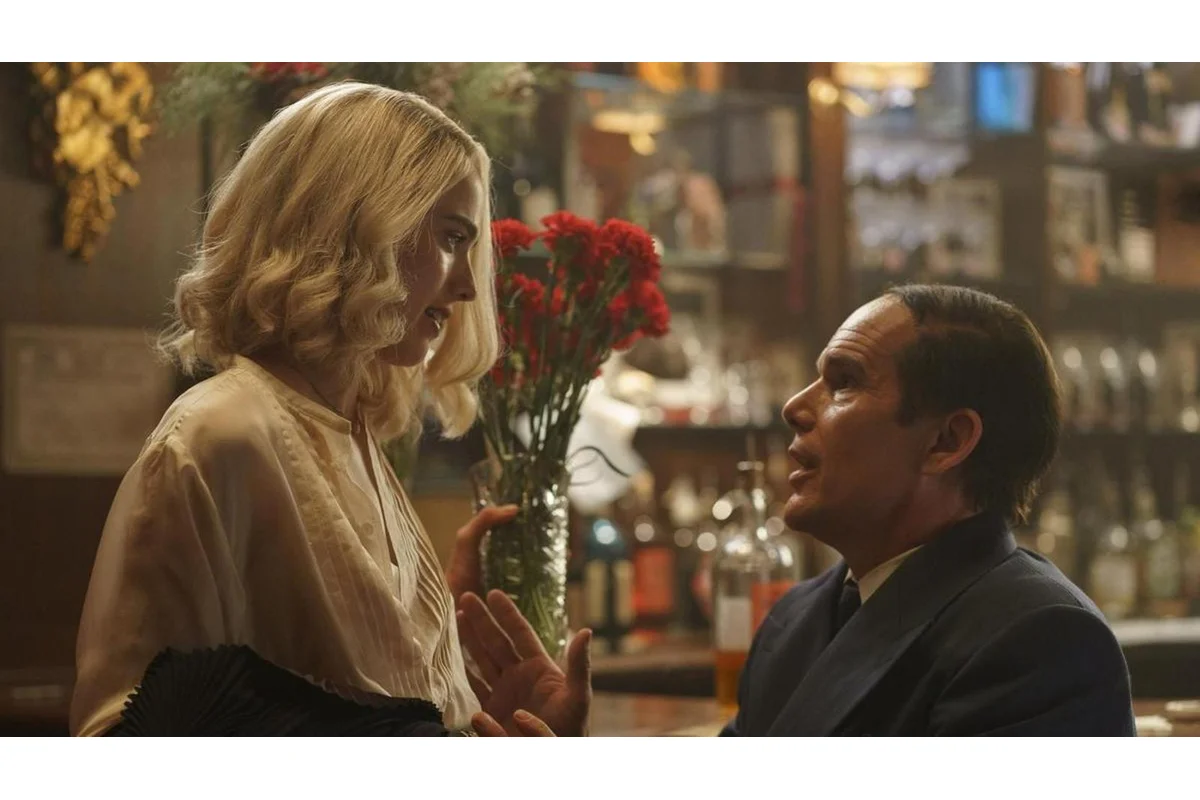
The relationship between Hart and Elizabeth Weiland, portrayed by Margaret Qualley, is especially poignant, serving as a counterpoint to Hart’s professional heartbreak. Hawke notes that the film achieves a profound moment of vulnerability when Hart finally drops his defenses and listens to Weiland, underscoring the multifaceted pain of rejection and longing for connection.
Looking Beyond Blue Moon: Future Projects and Collaborations
The creative rapport between Linklater and Hawke appears far from over. Discussing the possibility of future partnerships, they hint at an upcoming 19th-century film, with a potential cast that could include Oscar Isaac and Natalie Portman. Linklater describes the planned project as exploring the “hippies of the 1830s,” marking a thematic departure while retaining the collaborative spirit and historical curiosity that characterize their work.
The lingering lore of the Before trilogy also surfaces, with questions about a possible fourth installment. Hawke and Linklater playfully entertain the idea of making a metafictional project about the making of Before Midnight itself, humorously describing such a venture as a “horror film” without supernatural figures. Their willingness to poke fun at their own legacy demonstrates a shared self-awareness and ongoing creative dynamism.
Blue Moon’s Legacy and Anticipated Reception
Blue Moon is scheduled to open in UK cinemas on November 28, promising audiences the latest product of Linklater and Hawke’s enduring cinematic relationship. By delving into the emotional complexities of artistic partnership, rejection, and self-exploration, this film continues their tradition of thoughtful, character-driven storytelling.
The Ethan Hawke Blue Moon collaboration stands as a testament to the power of evolving creative relationships, the value of lived experience, and the enduring relevance of examining humanity’s brightest and darkest moments through art. It remains to be seen how audiences will respond, but with Linklater’s direction and Hawke’s evocative performance, Blue Moon is poised to make a significant mark on contemporary cinema, inviting viewers to reflect on the trajectories of their own connections and ambitions.
Even if you’ve had the best life, you remember the ones that got away. You remember the rejections and the sadness. Those stay with you emotionally
Mabel Mercer’s singular remark and the film’s central themes remind audiences that the legacies of the past — both triumphant and tragic — remain with us. Through this latest chapter in their long-running partnership, Hawke and Linklater continue to probe those lingering, deeply human truths.