Christopher Nolan, known for his mind-bending films and distinct storytelling, has openly shared his views on the film genres he prefers and those he avoids. When addressing the subject of Christopher Nolan genre preferences, the acclaimed director was direct about the kind of films he is unlikely to make, emphasizing the importance he places on genres that serve a clear purpose in storytelling.
Nolan, despite his proven versatility across thriller, science fiction, comic book adaptations, and historical epics, states that not all cinematic genres are appealing to him. Musicals are notably absent from his future plans; he admits he isn’t drawn to the exuberance that defines them. “Exuberant” is not a descriptor used for Nolan’s filmography, reflecting his reluctance to tackle such projects. Comedy is another genre he won’t consider, even though there are moments of levity scattered through his work. According to the director, while all of his movies contain comedic elements in their own way, he has dismissed the notion of directing a traditional full-fledged comedy.
While Nolan expresses a possible openness toward horror, this remains an unexplored area for him. He is candid about his willingness to entertain the idea but offers no promise that a horror film will ever appear under his direction. The director’s distinctive cinematic contributions so far span brain-teasing thrillers, intricate blockbuster productions, sweeping war dramas, and a major historical project. These choices highlight his aversion to repetition and showcase a spectrum that intentionally omits certain genres.

Nolan Criticizes the Biopic Genre as Ineffective
Despite the echoes of real life in his filmography, Christopher Nolan is particularly outspoken about one genre in particular: the biopic. He pulls no punches regarding biographical films and their inherent shortcomings as he sees them.
“This is where the concept of a biopic fails you completely as a genre,”
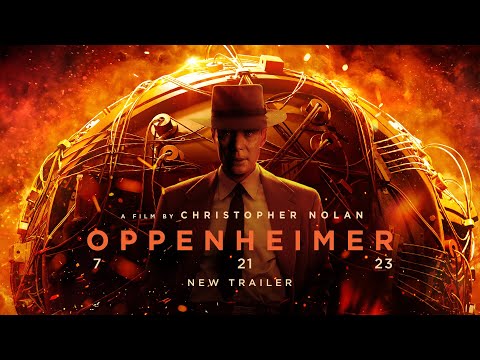
Nolan stated, directly questioning the utility of biopics, especially in the context of his film “Oppenheimer.” He notes that, although the film centers on a historic individual and pivotal events, he does not consider it to be a true biographical drama.
“It’s not a useful genre. I love working in useful genres.”
— Christopher Nolan, Director
He redefines “Oppenheimer” not as a biopic, but as a hybrid, combining conventions from other genres.
“In this film, it’s the heist film as it applies to the Manhattan Project and the courtroom drama as it applies to the security hearings,”
he explained, underscoring his deliberate integration of multiple cinematic traditions.
“It’s very useful to look at the conventions of those genres and how they can pull the audience, and how they can give me communication with the audience.”
— Christopher Nolan, Director
By adopting a blend of the heist and courtroom drama genres, Nolan argues that these structures provide the audience with a more engaging and meaningful way to connect with the story, one that a standard biopic might lack. Though “Oppenheimer” meticulously follows real-life events and delivers an authentic portrayal, Nolan resists the biographical label.
Nolan’s Alternative Approach to Storytelling and Impact on Cinema
Christopher Nolan further clarifies his negative perspective toward the biopic:
“Biopic is something that applies to a film that is not quite registering in a dramatic fashion,”
highlighting his view that the label often suggests a lackluster narrative. He pointed to renowned cinematic works such as “Lawrence of Arabia” and “Citizen Kane,” which, despite focusing on pivotal individuals, are not typically categorized as biopics by his standards.
“It’s not a useful genre, the same way drama is not a useful genre. It doesn’t give you anything to hold onto.”
— Christopher Nolan, Director
Nolan’s opinions amplify the ongoing debate around the nature and purpose of biopics. While many, including audiences and critics, recognize “Oppenheimer” as a quintessential biographical film, its creator views it as something much more complex and refuses to accept the biopic label. His comments mark a turbulent challenge to longstanding cinematic conventions, inviting other directors and storytellers to rethink traditional genre categories and their storytelling usefulness. As the conversation evolves, Christopher Nolan’s genre preferences and his influence on defining cinematic boundaries seem likely to remain subjects of intense discussion within Hollywood and beyond.