
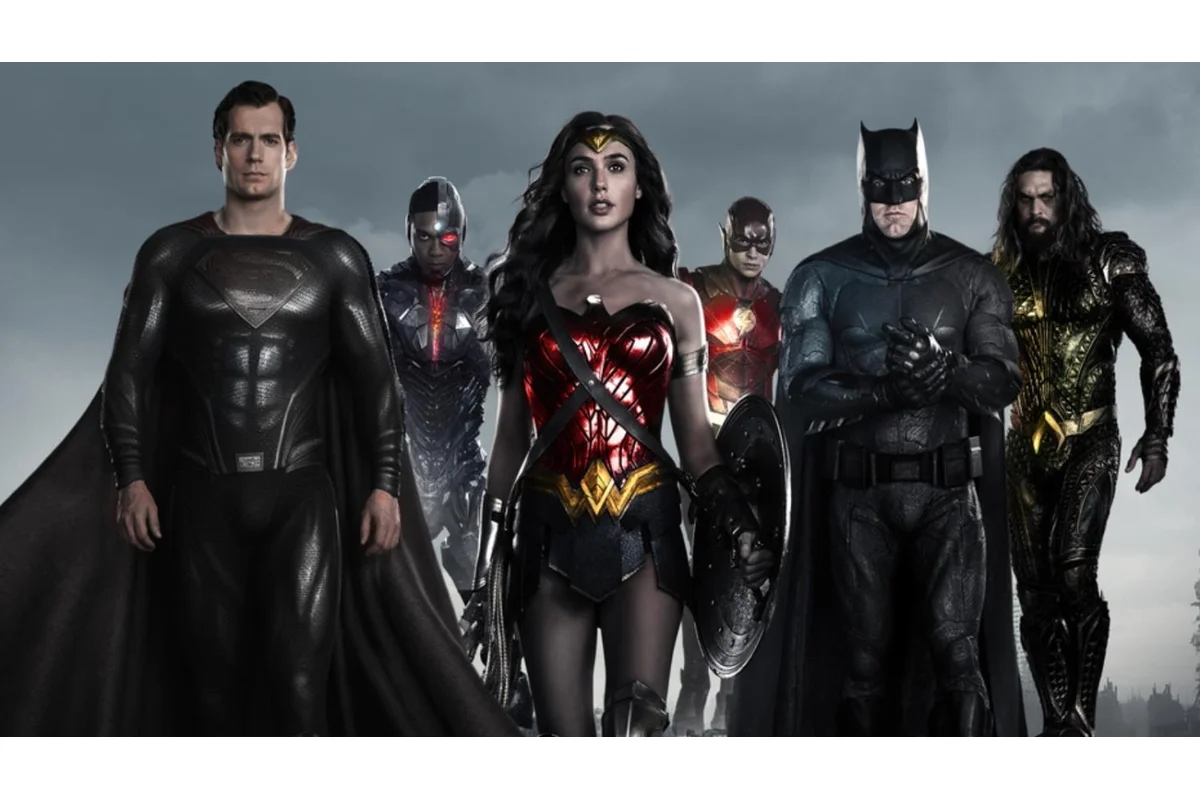
The James Gunn Justice League reboot is scheduled to address ongoing challenges in DC‘s cinematic universe when it arrives in 2026, as the franchise seeks to move past unresolved issues left by the previous DCEU films. This pivotal shift is set to introduce a refreshed approach for the Justice League, marking a major transition point for Warner Bros. and the DC Universe.
Challenges Facing the Justice League in the New DC Universe
The last appearance of the Justice League came in Zack Snyder’s re-edited version, released on HBO Max in 2021 as a director’s cut of the original 2017 film. While Snyder once had plans for sequels, these projects are considered unlikely to develop further following the conclusion of the DCEU. James Gunn’s decision to reboot DC’s shared storyline brings unique complications for integrating the Justice League into future releases.
Despite controversy over several DCEU titles, supporters largely favored the core cast of the Justice League, which featured well-known actors in key roles. The decision to remove Henry Cavill as Superman in favor of David Corenswet sparked debate among fans, intensified by the new Superman film’s box office performance, which did not surpass that of Man of Steel. The recasting of Superman exemplifies the challenges ahead, as Gunn’s version will not feature returning actors from the DCEU, including Gal Gadot as Wonder Woman or Ben Affleck as Batman. This further complicates the task of connecting with fans attached to the original lineup.
Moving forward, the DCU faces the complex process of recasting its major heroes, aiming to foster new relationships between audiences and characters. Given the polarizing reception of past films, lingering division is expected among both supporters and critics whenever a new Batman, Wonder Woman, or other prominent character is introduced—particularly with new actors in roles that became iconic in the previous era.
How the 2026 Release Offers a Path to Resolve Recasting Issues
The controversial removal of Henry Cavill set a tone of uncertainty about the future direction of the team, and there is concern that a total replacement of the Justice League cast could present similar problems for the rebooted DCU. To address these challenges, the planned 2026 Supergirl movie will build a narrative link between franchises by reintroducing familiar faces while also making notable changes. For instance, Jason Momoa, who previously played Aquaman, will appear in a new role as Lobo, a cosmic bounty hunter in the upcoming DC universe. This casting decision offers fans reassurance that the actors associated with popular Justice League portrayals can still have a place in future projects, even if their original characters are recast or retired.
The inclusion of Supergirl as a connecting element helps smooth the transition between the DCEU and the developing DCU. By providing a fresh start, yet still acknowledging established fan favorites, Gunn demonstrates a willingness to move forward in a way that respects both creative ambitions and fan loyalty. This method holds out the possibility of uniting divided fans and revitalizing excitement for the Justice League’s next chapter.
Anticipated Impact of the Justice League’s Return
The upcoming James Gunn Justice League reboot stands as a major step for DC as it reimagines its iconic superhero group for a new era. With strategic recasting choices and thoughtful incorporation of past actors in new roles, the DCU aims to overcome the challenges of transitioning away from the DCEU while building anticipation for 2026 and beyond. The reception of these moves by audiences will likely shape the future direction of the DC Universe and its most celebrated heroes.
