
Fans searching for something that echoes the tone and depth of Taylor Sheridan’s Yellowstone can find a close match in the Kevin Costner Western miniseries, Hatfields & McCoys. Originally airing on the History Channel in 2012, this acclaimed drama unites historical storytelling with intense performances, offering a gripping viewing experience that mirrors many of the elements that made Yellowstone such a success.
An Introduction to Hatfields & McCoys and Its Setting
Hatfields & McCoys premiered as a three-part miniseries on the History Channel in May 2012, marking the network’s first foray into scripted drama. Set along the Kentucky and Virginia border during the conclusion of the American Civil War and into the Reconstruction era, the show brings to life the notorious feud between two families whose names became synonymous with intergenerational conflict. The story begins in 1863 and traces events over three decades, centering on the relentless tension that defined their world.
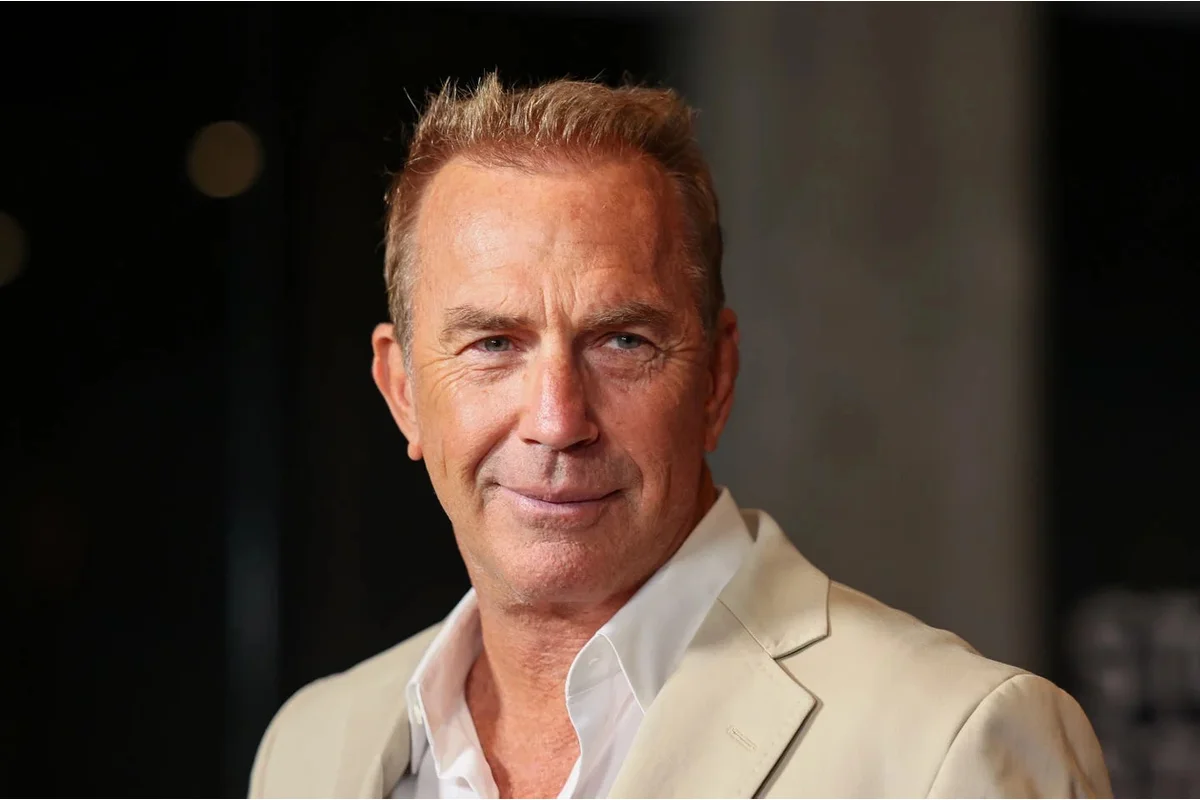
Kevin Costner portrays William Anderson “Devil Anse” Hatfield, a former Confederate soldier leading his family in a dramatic territorial clash against the McCoys. Countering Costner’s stoic presence, Bill Paxton takes on the role of Randolph “Randall” McCoy, another Confederate supporter from Kentucky who experiences deep personal loss as five of his children are lost to the blood feud. Their rivalry encapsulates not just personal animosity but the broader societal rifts left by war.
This miniseries features an ensemble cast that includes Tom Berenger, Powers Boothe, Boyd Holbrook, Jena Malone, Noel Fisher, and Mare Winningham. Together, they deliver performances that rival those of Yellowstone’s best, lending the production a cinematic aura typically reserved for major theatrical releases. The show’s three episodes, directed by Kevin Reynolds, maintain visual and narrative consistency, evoking a filmic style unusual for most episodic television. Yellowstone’s first season achieved a similar focus, with Taylor Sheridan directing all nine episodes himself, solidifying a cohesive tone.
Filmed in Romania, which stood in for the landscapes of Virginia and Kentucky, Hatfields & McCoys convincingly recreates the gritty realism of its historical milieu. The series‘ authenticity, despite the shooting location, contributed to its critical acclaim, earning five Primetime Emmy Awards, including Outstanding Lead Actor for Kevin Costner and Outstanding Supporting Actor for Tom Berenger. Costner’s performance also garnered him a Golden Globe, a recognition that likely influenced Sheridan’s decision to cast him as patriarch John Dutton in Yellowstone.
Similarities in Style and Themes with Taylor Sheridan’s Work
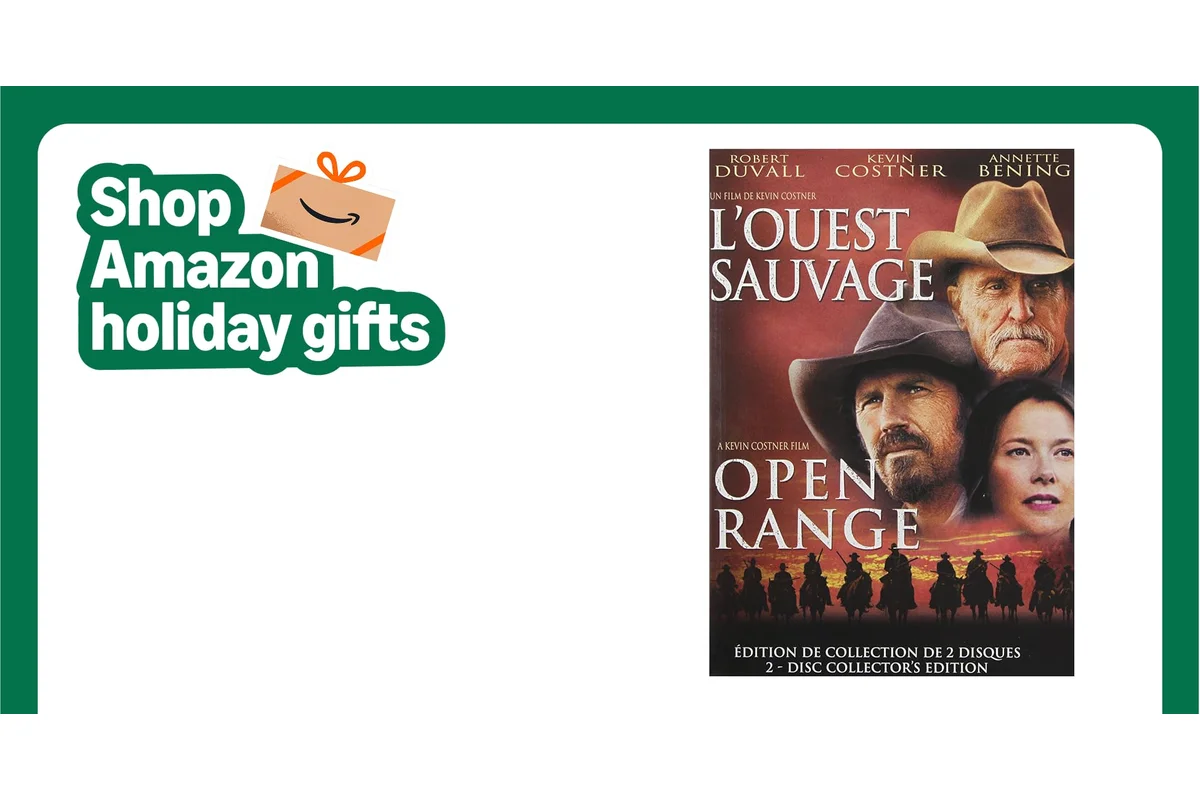
From the outset, Hatfields & McCoys is unmistakably rooted in the Western genre, sharing visual and thematic DNA with Taylor Sheridan’s Yellowstone. Kevin Costner, whose storied career spans classics like Wyatt Earp and Open Range, brings a level of star power and gravitas that aligns the two projects. But beyond casting, it’s the show’s intense action, solemn tone, and exploration of family and legacy that resonate as unmistakable parallels.
Notably, Hatfields & McCoys does not shy away from violence and the consequences of life on the American frontier, depicting events with unflinching realism. Like Yellowstone, the miniseries pushes boundaries by including shocking events—such as the killing of underage characters—illustrating how no one is truly safe. While the violence is prominent, both shows counterbalance their brutality with a melodramatic undertone, weaving layers of emotional struggle into their narratives.
The show’s structure is also reminiscent of Shakespearean tragedy, with forbidden love and family betrayal at its core. The relationship between Johnse Hatfield and Roseanna McCoy, played by Lindsay Pulsipher, sets off a chain reaction reminiscent of the fraught dynamics among the Duttons in Yellowstone—especially the fraught alliances and betrayals between Beth Dutton, Rip Wheeler, and Jamie Dutton. These interpersonal dramas, set against the harsh winds of the American frontier, define both series as explorations of loyalty, vengeance, and sacrifice.
With its measured storytelling and deliberately paced plotlines, Hatfields & McCoys encourages viewers to immerse themselves in the unfolding drama, much as Sheridan’s Yellowstone does. The overlap is no coincidence: Sheridan began developing Yellowstone in 2013, just one year after the miniseries aired. Whether directly inspired by Costner’s earlier work or simply drawn to the same themes, Sheridan’s fans will recognize in Hatfields & McCoys a kindred spirit—and plenty to keep them engaged ahead of Yellowstone’s upcoming spin-offs.
The Impact of Hatfields & McCoys and Its Parallels with Yellowstone’s Triumphs
Beyond their narrative similarities, Hatfields & McCoys and Yellowstone share a unique place in television history, each marking a significant milestone for their respective networks. Hatfields & McCoys was not only the History Channel’s first scripted drama, but it also became a ratings juggernaut. The event drew an unprecedented audience, with 13.9 million viewers for the premiere episode, 13.13 million for the second, and 14.29 million for the final part. These viewing figures stood out at the time, surpassed only by the popularity of major live sports broadcasts.
Yellowstone, for its part, propelled Paramount+ into the original series arena, helping the streamer carve out a competitive niche. While Yellowstone’s top episode viewership—peaking at over 9.3 million for the Season 4 finale—did not quite reach the historic numbers of Hatfields & McCoys, it had a profound long-term effect. The show’s blockbuster success spawned several spin-offs, including 1883, 1923, The Madison, and the upcoming Y: Marshals, expanding Sheridan’s storytelling universe and deepening the series’ cultural impact.
The influence of Hatfields & McCoys extended the History Channel’s programming ambitions, paving the way for other scripted dramas such as Vikings, Knightfall, Kennedy, The Bible, Grant, and Houdini. Similarly, Yellowstone’s triumph encouraged Paramount+ to back more Sheridan-helmed series like Landman, Tulsa King, Mayor of Kingstown, Lioness, and The Last Cowboy—broadening its appeal with similarly intense and emotionally resonant dramas.
While it is unlikely Sheridan aimed to replicate the impact of Hatfields & McCoys at Paramount+, the thematic overlaps are undeniable. Both series explore the complexities of family, legacy, and power with an approach that feels both contemporary and classical. For fans of Sheridan’s storytelling or those captivated by Kevin Costner’s commanding roles, the 2012 miniseries remains a standout entry in modern Western television.
Why Hatfields & McCoys Resonates for Yellowstone Enthusiasts
Despite being separated by time periods and settings—the post-Civil War borderlands for Hatfields & McCoys and modern-day Montana for Yellowstone—both series offer strikingly similar experiences. Intense action sequences, sweeping landscapes, and the fraught lines between loyalty and ambition provide a thematic bridge that will be instantly familiar to anyone invested in the Dutton family saga. Kevin Reynolds’s directorial consistency, combined with Kevin Costner’s and Bill Paxton’s lead performances, give Hatfields & McCoys an enduring appeal and lasting influence.
As audiences await the next chapter in the Yellowstone universe, revisiting the Kevin Costner Western miniseries offers both a meaningful alternative and a window into the storytelling techniques that have shaped today’s most ambitious TV dramas. Through its layered depiction of rivalry, legacy, and familial ties, Hatfields & McCoys stands as both a compelling historical drama and a complementary experience that enriches the Western genre for a new generation.
