
James Gunn’s DCU strategy is reshaping the superhero cinema landscape, with his hands-on leadership at DC Studios sparking comparisons to Marvel’s current stagnation. As Gunn works on multiple projects and brings an auteur perspective to the franchise, his approach has raised significant questions about Marvel’s ability to keep pace, especially as recent box office trends and creative fatigue haunt its future.
James Gunn’s Active Role in Shaping the DC Universe
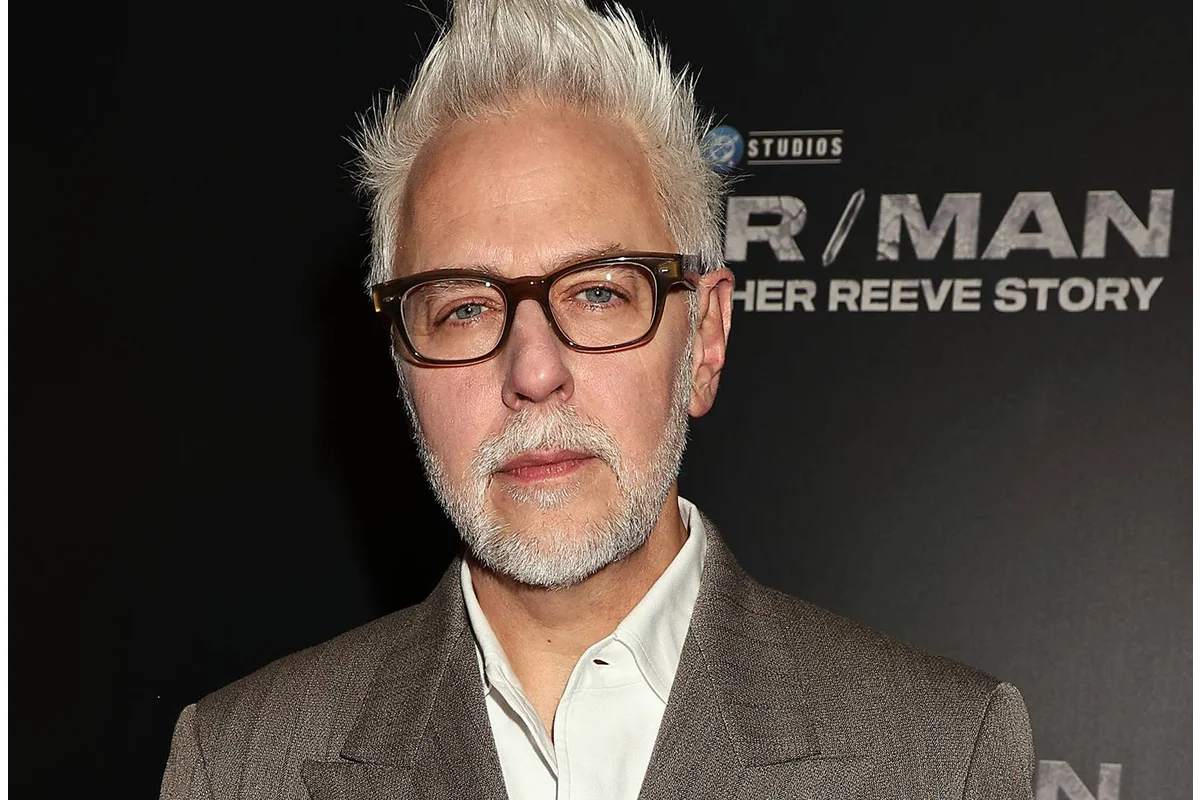
Since stepping into his position as co-CEO of DC Studios, James Gunn has maintained a direct and transparent relationship with fans, frequently using Threads to discuss his current priorities. Gunn recently revealed that he is actively involved in five major DC projects, although only “Man of Tomorrow,” the highly anticipated Superman sequel, is being directed by him personally. Gunn’s management style, characterized by his involvement in various stages such as casting, marketing, and design approval, illustrates a devotion to guiding the DCU through its critical next phase.
When a fan questioned him about a typical day in his executive role, Gunn responded that there is no such thing as an “average day,” emphasizing the unpredictable nature of his responsibilities. He detailed a busy schedule, mentioning he spends significant time prepping “Man of Tomorrow,” reviewing cuts for both “Supergirl” and “Lanterns,” assisting “The Batman 2” team to ensure smooth production, and anticipating the first cut of “Clayface.”
prepping Man of Tomorrow, going over cuts of Supergirl and Lanterns, supporting The Batman 2 crew to make sure it goes smoothly,
– James Gunn, Co-CEO, DC Studios
waiting for 1st cut of Clayface.
– James Gunn, Co-CEO, DC Studios
This hands-on engagement has resonated with DC fandom, many of whom remember Gunn’s passionate work on both “Superman” and “Peacemaker.” Should these new projects achieve similar acclaim, Gunn’s leadership may fundamentally shift the balance of power between the DCU and the MCU.
Marvel’s Creative Stagnation and Leadership Concerns
The contrast with Marvel Studios, led by Kevin Feige, is growing ever sharper. Although Feige is recognized for steering the Marvel Cinematic Universe into a global phenomenon, recent years have seen notable stumbles. Major releases such as “The Marvels” marked unprecedented financial losses for Marvel, while both “Thunderbolts” and “The Fantastic Four: First Steps” struggled at the box office, especially compared to the success stories emerging from Gunn’s DCU projects.
Analysis points to a pattern: despite factors like superhero fatigue among audiences, all of Marvel’s most significant recent failures were projects Feige approved. The direct comparison to Gunn’s active engagement draws criticism regarding Feige’s decision-making and the growing sentiment that leadership at Marvel may be faltering at a pivotal time for the genre.
Experimentation at Marvel: Too Much or Not Enough?
Feige has responded to media scrutiny by suggesting that post-“Endgame,” Marvel used the opportunity to experiment and evolve, trying to push creative boundaries. He admitted,
we used it to expand—too much.
– Kevin Feige, President, Marvel Studios
This admission, while framing Marvel’s setbacks as a side effect of creative risk-taking, has drawn skepticism. Despite claims of over-expansion, critics argue that Marvel’s offerings have felt derivative—“Thunderbolts” bore strong resemblance to earlier ensemble films but lacked the appeal, “Captain America: Brave New World” was described as more reminiscent of fan fiction than fresh storytelling, and “The Fantastic Four: First Steps” was compared to a less dynamic “Guardians of the Galaxy.”
On the other hand, Gunn’s DCU approach involves diverse and bold choices, bringing a mix of genres including tentpole blockbusters, police procedurals, horror influences, and explorations of alternate universes. This creative diversity has generated significant anticipation among DC fans and industry observers alike.
Ripple Effects and the Future of Superhero Cinema
The questions surrounding Marvel’s trajectory are becoming more urgent as Feige’s contract nears expiration after the release of “Avengers: Secret Wars.” The contrast between Feige’s management and Gunn’s auteur-driven model has renewed calls within industry circles, and among passionate communities like the DCU’s fandom, for change at Marvel’s leadership level.
Gunn’s ability to balance administrative duties and creative vision serves as a counterpoint to critiques that Marvel is running on autopilot, risking a total collapse of the brand’s momentum. While Disney and Marvel Studios weigh their next steps, observers note that the direct competition—and perhaps Gunn’s very visible success—may finally prompt a course correction that could determine the future of both universes.
As James Gunn continues to shape new directions for the DCU and Kevin Feige faces decisions about Marvel’s next phase, the rivalry between these studios is set to intensify, with audiences and the industry watching to see which vision will define the next era of superhero storytelling.
