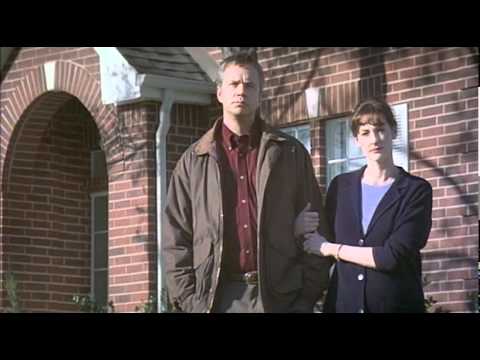
The Jeff Bridges Arlington Road ending nearly faced significant alteration when studio executives grew uneasy about its bleak tone and demanded changes during production. Mark Pellington, the director, took a major risk to ensure the film’s climactic resolution remained intact, working against the typical Hollywood preference for happier conclusions.
Film studios commonly request alternate endings for various reasons, including maintaining secrecy or appealing to broader audiences, and this was true for Arlington Road as well. Hollywood’s focus on profitability often leads to creative conflicts between filmmakers and higher-ups, particularly when narrative choices defy audience expectations. Unless a project is fully independent, directors must navigate these pressures, sometimes at the expense of their original vision.
Studio Concerns Over the Film’s Downbeat Conclusion
The thriller, influenced by the unsettling atmosphere of 1970s cinema, cast Jeff Bridges as Michael Faraday, a university professor who becomes suspicious of his neighbors—played by Tim Robbins and Joan Cusack—believing they are involved in a terrorist plot. Despite the movie garnering favorable reviews, its ending stood out for its shocking severity: Faraday dies in a bomb explosion and is framed posthumously as a terrorist. This narrative choice starkly contrasted the satisfying resolutions often favored by Hollywood studios and left some executives concerned about the film’s marketability.

During an interview with Steam Magazine, Jeff Bridges recounted a pivotal moment in the film’s production:
“I remember when the director, Mark Pellington, came to me with a drab look on his face and said that the ‘suits’ were unhappy with the ending and wanted my character to live, so they asked to change the ending.”
– Jeff Bridges, Actor
The Deliberate Creation of an Unusable Alternate Ending
Rather than accept the studio’s direction unquestioningly, Pellington developed an unconventional solution. He complied with requests to film an additional ending, but intentionally made it subpar, aiming to discourage executives from selecting it. Despite the delicate balance required—as the studio could still have chosen this alternate version—the move demonstrated remarkable conviction.
Bridges elaborated on this gamble:
“I remember fighting back, saying that changing the ending defeated the purpose of the film, but they demanded an alternate ending be shot. He had the balls to shoot a terrible alternate ending, so bad that they weren’t able to use it, which was dangerous because, as bad as it intentionally was made, they still could’ve used it and really ruined the film. It was a ballsy move that paid off for a very unusual movie.”
– Jeff Bridges, Actor
Lasting Impact and Ongoing Relevance
Though Arlington Road did not achieve major blockbuster status, its unconventional ending left a distinct impression on audiences and critics, and contributed to its reputation as an outlier among Jeff Bridges’ films. The bold maneuver by Mark Pellington preserved the movie’s intended message and style, echoing the influence of the 1970s thrillers it sought to emulate.
In recent years, reports have surfaced about a television adaptation of Arlington Road in development, which could allow new viewers to rediscover the narrative’s intense suspense and emotional depth. For now, the original film stands as a testament to creative risk-taking and highlights the enduring conversation between filmmakers and studios about artistic control and audience expectations.