
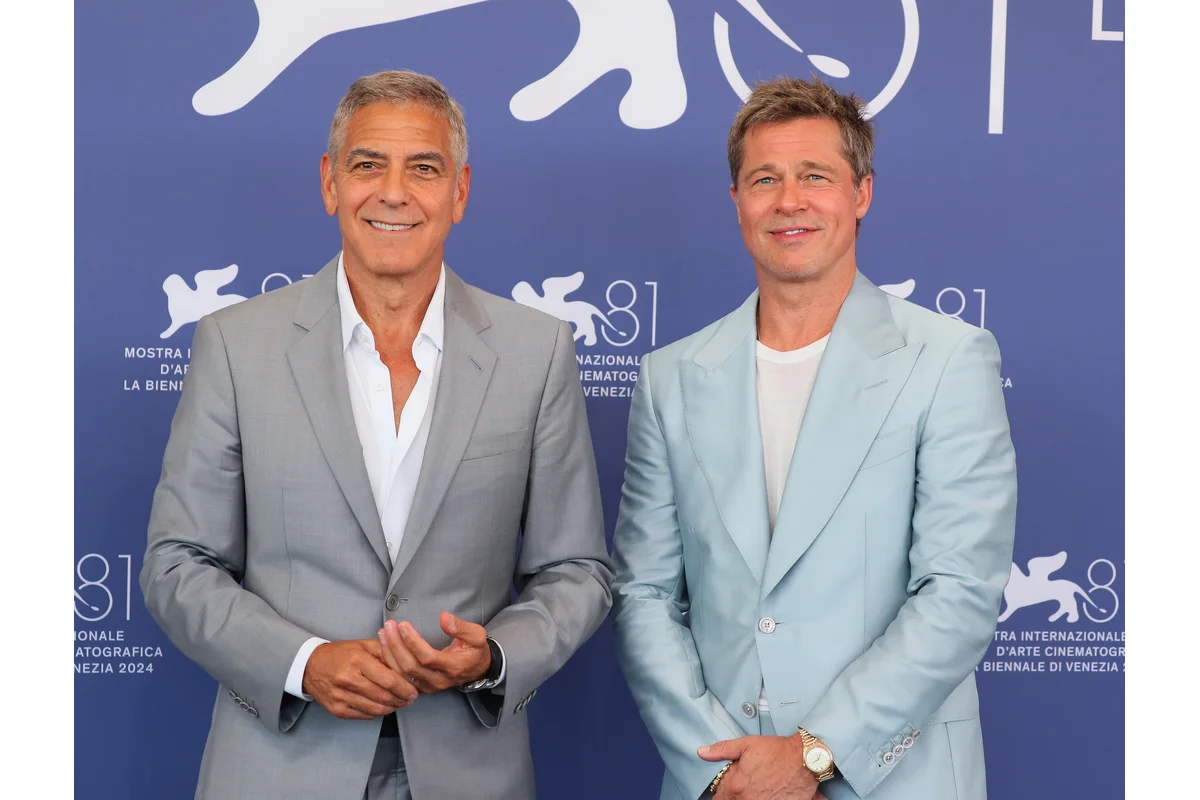
George Clooney, whose standing in Hollywood gives him broad opportunities, recently faced an unexpected setback when he was denied the chance to direct a major film adaptation, highlighting the realities of even top-tier stars. The incident underscores the complexities behind George Clooney’s directorial rejection, illustrating how creative decisions in the industry can override star power.
Clooney’s Box Office and Directorial Trajectory
Once considered a major box office draw, George Clooney’s commercial successes as an actor have become less frequent. The last significant hit he starred in was “Ticket to Paradise” alongside Julia Roberts in 2022, marking his first major blockbuster in almost a decade. Earlier, he saw rapid consecutive wins with “Gravity” and “The Monuments Men.”
Clooney’s filmmaking career began with enormous promise. “Confessions of a Dangerous Mind” and “Good Night, and Good Luck” earned him critical acclaim, but his more recent directorial projects such as “The Boys in the Boat,” “The Midnight Sky,” “Suburbicon,” and “The Tender Bar” have received mixed responses, at times falling short of expectations.
The Oscar Credentials and Prestige
Despite these ups and downs, Clooney’s reputation in the film world is secure. He has twice won the Academy Award, collecting a total of eight nominations across six separate categories, making him one of the most versatile figures in Oscar history—second only to Kenneth Branagh in this regard.

The Pursuit of Frost/Nixon
Following the acclaim and Oscar nods for his second feature as a director, Clooney quickly began searching for his next major project. He was drawn to adapt “Frost/Nixon” from stage to screen and reached out directly to Peter Morgan, who wrote the play, expressing his eagerness to direct and presenting himself as the ideal candidate.
He said things like, ‘We are really going to kick ass with this!’
– Peter Morgan, Playwright and Screenwriter
Not going with him was complete fucking agony, because he suggested doing some script work at his house by Lake Como, at which point, my wife was just shaking her head. I expect I will spend the rest of my life making amends to him and to my wife, and to everybody about my decision. Now I will never have him ringing me again, asking to do my work.
– Peter Morgan, Playwright and Screenwriter
Morgan ultimately decided against collaborating with Clooney, much to his wife’s disappointment. Instead, director Ron Howard won the opportunity by persistently pitching himself and ensuring his production company acquired the rights to the play as soon as he watched it in the theatre. Howard’s determination contrasted with Clooney’s approach and tipped the scales in his favor.
The Outcome and Legacy of the Project
While many believed Clooney was well equipped to deliver a strong adaptation of “Frost/Nixon,” the project ultimately went to Ron Howard—the former “Happy Days” star—who took swift action to secure the film. Although Howard’s film did not meet high box office expectations, it stands out as one of the most critically acclaimed works in his career, earning widespread praise and industry recognition during awards season.
The Ripple Effects of Morgan’s Decision
The decision not only left Clooney without the project, but as Peter Morgan recounts, his wife was also particularly disappointed given the opportunity Clooney presented—including the prospect of script meetings at Lake Como. Over the nearly two decades since “Frost/Nixon” was released, no collaboration between Morgan and Clooney has developed, cementing this moment as a significant missed opportunity for both parties. The incident highlights how, even at the highest level, creative control and attachment to one’s own work can prevail over celebrity influence, altering the trajectories of filmmakers and impacting those around them.

