
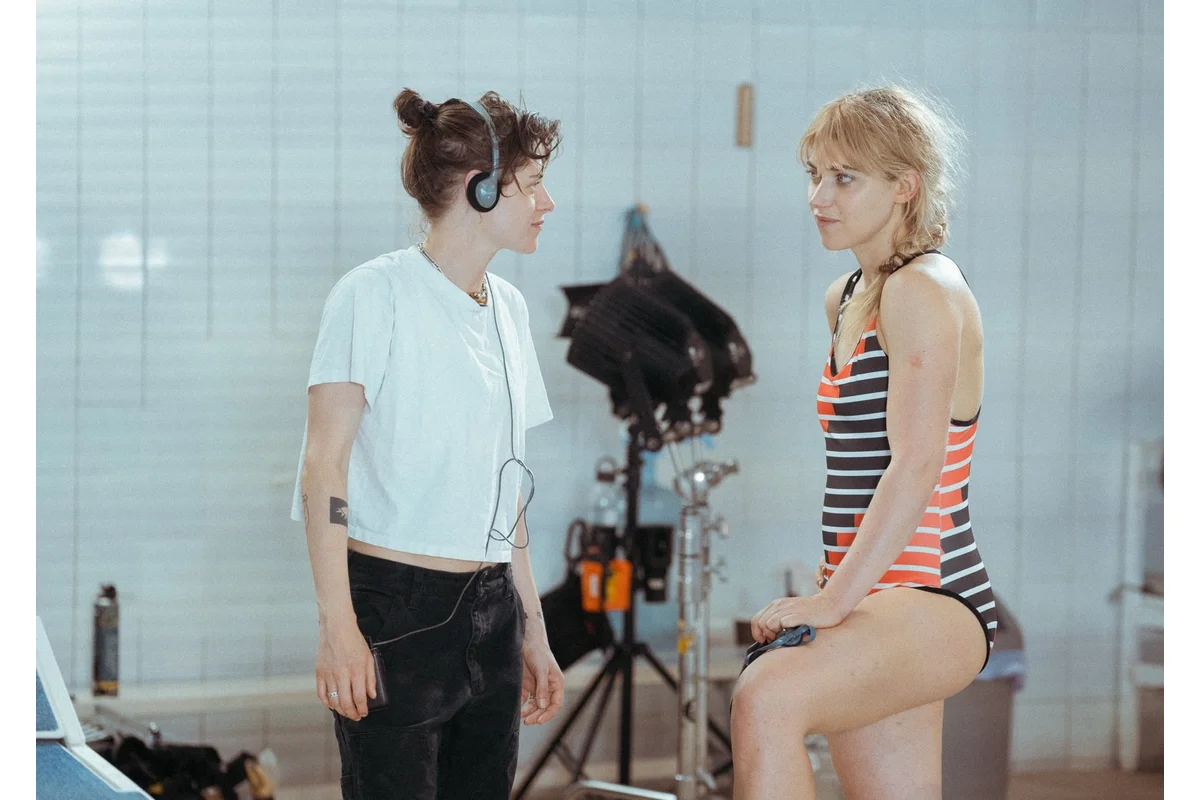
Kristen Stewart directorial debut, “The Chronology of Water,” has captured attention following its premiere at the 2025 Cannes Film Festival, marking a major moment for the acclaimed actress as she transitions behind the camera. Audiences in New York and Los Angeles will soon have a chance to experience the film firsthand, with its qualifying run beginning December 5 before a wider release in January.
Adapting Memoir into Cinema: A Risk-Taking Endeavor
Transforming Lidia Yuknavitch’s 2011 memoir “The Chronology of Water” into a film presents unique artistic challenges, especially for someone taking on their first directorial project. The original book, rooted in deeply personal stories and an impressionistic narrative style, is known for exploring the complexity of art, the female body, and personal trauma through vivid language. Stewart’s decision to create a film from this material underscores her commitment to tackling demanding subjects, choosing work that resonates rather than seeking an “easy” first project.
Inventive Storytelling: Staying Faithful While Innovating
Rather than simply replicating the memoir on screen, Stewart’s film balances fidelity to Yuknavitch’s source text with creative cinematic techniques. The movie employs a five-act structure and preserves the memoir’s core first-person perspective, all while introducing its own visual language. Shot on 16mm film, the movie creates what has been described as a film-sanctuary, echoing the book’s emotional range and unpredictability.

Cinematographer Corey C. Waters deploys extreme close-ups and montage sequences that fragment the body of the protagonist, Lidia, played by Imogen Poots. This stylistic choice reflects the disjointed sense of self central to Yuknavitch’s original writing. Early scenes flash between raw, evocative images—ranging from everyday object details to intimate moments—establishing a powerful subjectivity that shapes the entire film. The graininess of the images, combined with ambient soundtrack choices, supports the memoir’s emotional texture and Stewart’s aim to let each narrated moment find a place of permanence within the film.
Bringing Lidia Yuknavitch’s Life to the Screen
“The Chronology of Water” invites viewers to immerse themselves in Lidia’s world, allowing scenes to unfold at their own natural pace. Audiences track Lidia’s journey through tumultuous family life, her years as a competitive swimmer, reckless college days, substance abuse, marriages and divorces, relationships with both men and women, motherhood marked by loss, and repeated returns to swimming as an anchor and metaphor. Stewart’s screenplay demonstrates a sensitive understanding of scene rhythm, blending narrative experimentation with touches reminiscent of Maya Deren’s avant-garde work—especially as the story drifts between present-day events and memory-driven flashbacks.
The Artistry of Flow: Cinema as Motion and Emotion
What stands out most in Stewart’s approach is her commitment to translating the memoir’s “flow” into the visual and sonic experience of cinema. Rather than using metaphor for its own sake, Stewart crafts a film that feels unforced yet instinctively powerful—like a river gaining force as it moves past obstacles. This alignment between content and form illustrates her emerging directorial mastery, highlighting the discipline required to evoke deep emotional resonance without simplifying the material.
A Notable Festival Debut and What Lies Ahead
“The Chronology of Water” drew critical notice at Cannes, setting the stage for its forthcoming theatrical run. As Stewart carves out her identity as a filmmaker, the film’s reception signals confidence in her abilities to tackle complex, personal narratives. With strong performances from Imogen Poots and distinctive cinematography by Corey C. Waters, the adaptation is poised to connect with a wider audience and further Yuknavitch’s exploration of pain, art, and resilience. The film’s journey from memoir to screen exemplifies how original voices in literature and cinema can inspire one another, laying a foundation for Stewart to continue shaping stories that challenge and move viewers.

