Clint Eastwood’s journey in Hollywood has often drawn comparisons to John Wayne, thanks to Eastwood’s rise as a western star in the 1960s. However, he has highlighted Kirk Douglas as a more significant influence, appreciating Douglas’s intense and enigmatic screen presence, and his aggressive style, which bears resemblance to Eastwood’s own approach. Both of these industry figures not only headlined notable films but also produced and sometimes directed projects, displaying a clear passion for building stories from scratch and contributing creatively behind the camera. Their careers ran in parallel, making them two of the most sought-after talents of their era, connected by mutual respect rather than a shared film.
A Jazz Film That Disappointed a Jazz Aficionado
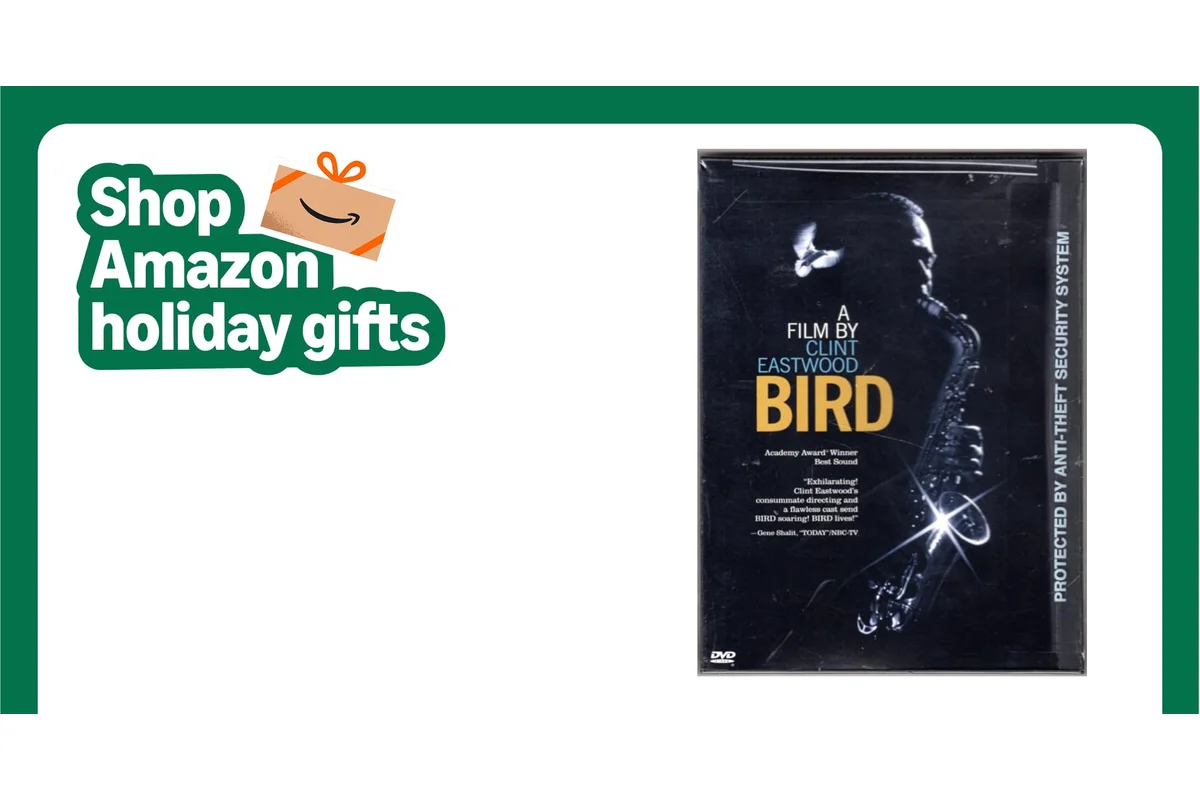
Despite their professional similarities, Eastwood and Kirk Douglas never worked together. However, their paths did cross in the realm of jazz cinema, a genre that has held deep personal meaning for Eastwood throughout his life. Eastwood’s devotion to jazz ultimately led him to direct “Bird” in 1988, a film starring Forest Whitaker as the legendary Charlie Parker. This project was much more than a directorial gig for Eastwood—it was a tribute to music and artistry that had captivated him for years.
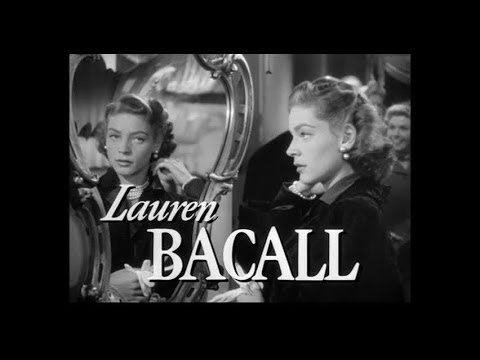
Years before making his own mark as “the Man with No Name” and long before his first credited screen appearance in 1955, Eastwood eagerly awaited the release of “Young Man with a Horn” in 1950. The film, loosely inspired by the career of jazz musician Bix Beiderbecke, featured Kirk Douglas as Rick Martin, was helmed by Michael Curtiz of “Casablanca” fame, and starred Lauren Bacall and Doris Day in prominent roles. With such an impressive lineup, expectations for the film soared.
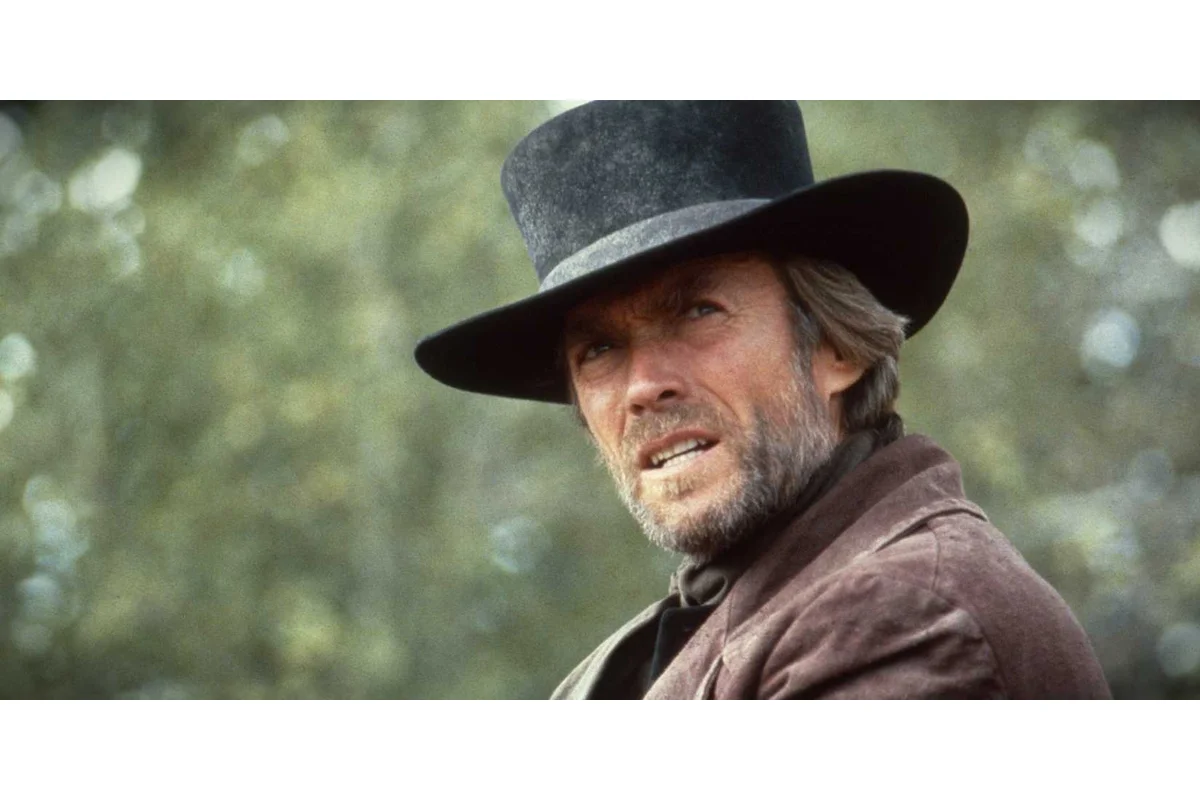
However, the reality failed to meet Eastwood’s high hopes. As a self-identified jazz aficionado, he attended a screening with great anticipation. By the time the film ended, he found himself deeply disappointed by how the music and narrative were handled.
“The breathing was off, the dubbing was terrible,”
Clint Eastwood remarked.
“And the plot line? I thought, ‘Oh god, what have they done?’ and went out of the theatre dejected.”
— Clint Eastwood, Actor and Director
Turning Disappointment Into a Lifelong Goal
Eastwood’s reaction to “Young Man with a Horn” was not simply one of frustration as a viewer, but also heartfelt disappointment as someone who cherished jazz and aspired to see it treated with respect on screen. The unsatisfying experience stayed with him for decades, fueling his desire to eventually make a jazz movie that captured the essence and brilliance of the genre. Though such a project seemed distant at the time, it would become a powerful motivation as he honed his craft both in front of and behind the camera.
The Lingering Impact on Eastwood’s Career
The letdown of “Young Man with a Horn” played a pivotal role in shaping Eastwood’s long-term ambitions as both an artist and a filmmaker. Nearly 40 years later, he fulfilled his dream of bringing jazz to audiences with the acclaimed biopic “Bird.” In this way, the disappointment he felt as a young man helped drive one of Hollywood’s most accomplished careers, demonstrating his commitment not only to cinema but also to the music he loved. Eastwood’s story highlights how unmet expectations can fuel creative determination, influencing the legacy of an artist and expanding the possibilities of film as an art form.