
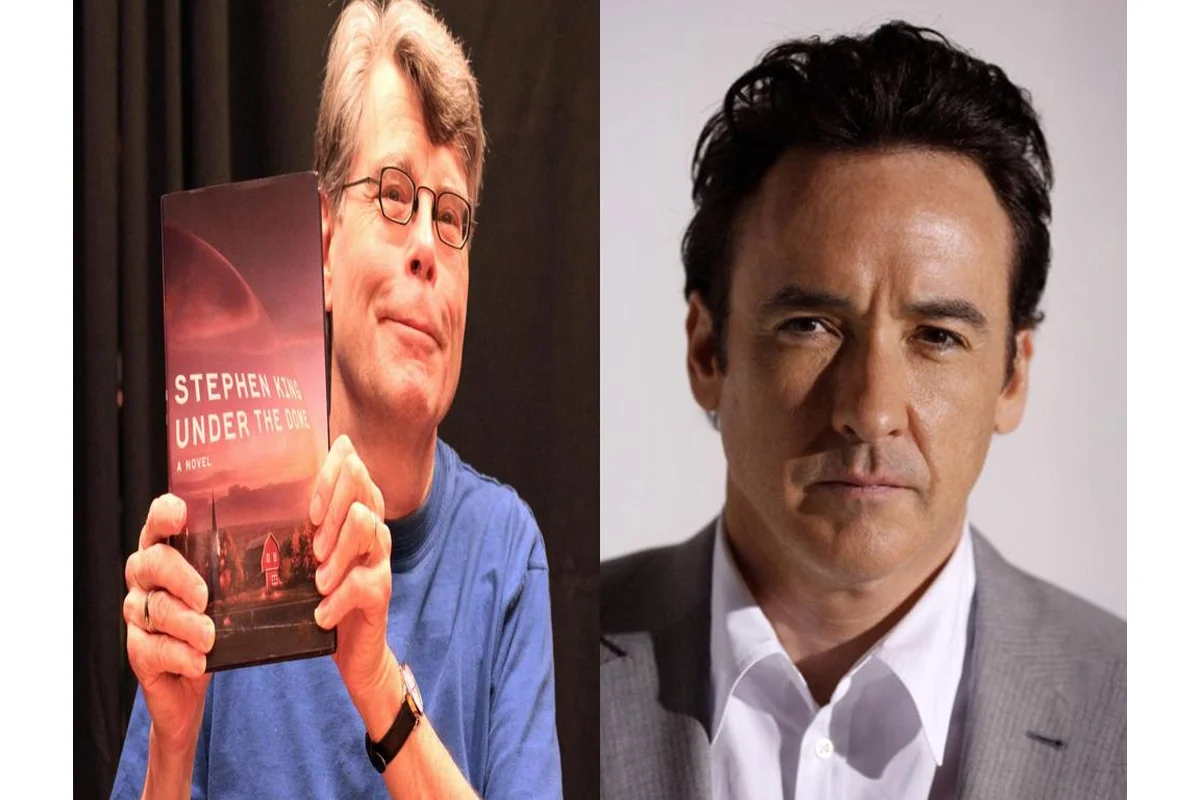
Among the many acclaimed films inspired by Stephen King‘s works, “1408” is often cited as one of the best Stephen King adaptations, thanks to its faithful portrayal of psychological horror and its sharp focus on character over spectacle. Directed by Mikael Håfström and featuring notable performances from John Cusack and Samuel L. Jackson, the film skillfully channels the tension and atmosphere found in the original story, standing out in a crowded field of impressive adaptations.
While many Stephen King movies have gained massive popularity, including “Misery,” “The Shawshank Redemption,” and “The Mist,” it is not just wide appeal that defines a great adaptation. Instead, the most effective films are those that preserve the emotional and thematic core of King’s writing. According to filmmaker Lawrence Kasdan, who adapted King’s 2001 book “Dreamcatcher,” King’s preference is for adaptations that
“capture the essence of the book, and if he feels that’s been done, then he’s not too particular about the details,”
Lawrence Kasdan, Screenwriter. This perspective sets a high bar for adaptations, favoring films that channel the spirit of the source material over mere replication.
The Haunted Wonders of Room 1408
“1408” differentiates itself in the haunted room genre with its disciplined approach, strong lead performance, and immersive atmosphere. Audiences are introduced to Michael Enslin, played by John Cusack, a skeptical horror author whose curiosity propels him into the infamous Dolphin Hotel’s room 1408, on Lexington Avenue in New York City. Like Stephen King himself, Michael Enslin writes about supernatural phenomena but doesn’t believe in their existence, maintaining the mindset of a skeptic with the hope of finding something that will finally convince him.
When Enslin receives an ominous postcard in Hermosa Beach, California, warning him against entering room 1408, his intrigue only grows stronger. Arriving at the Dolphin Hotel, Enslin’s insistence to stay in the notorious room is met with strong resistance from the hotel manager, Gerald Olin, portrayed by Samuel L. Jackson. Olin recounts the chilling statistic that in the past 95 years, no one has lasted more than an hour in the room, with 56 deaths on record. He even attempts to bribe Enslin to avoid the room, but Enslin’s commitment to his craft pushes him forward, threatening legal action to gain entry.
Upon entering, the true nature of room 1408 becomes apparent. The room itself appears to possess a malevolent consciousness, keeping a watchful eye on Enslin. Otherworldly phenomena unfold—ghostly apparitions of previous victims, sudden activation of the sprinkler system that destroys Enslin’s lifeline to the outside world, and sinister manifestations of past trauma. The environment becomes increasingly oppressive, suggesting the room has a soul, one deeply scarred and intent on psychological torture. These developments force both Enslin and the audience to question reality, as every attempt to escape only leads to further despair.
A Refreshingly Subtle Approach to Horror
Unlike other cinematic adaptations of King’s novels, “1408” avoids sensationalism, opting for restraint and psychological depth. The film doesn’t rely on jump scares or extensive backstory. Instead, the narrative is anchored by a lone protagonist battling internal and external terrors—with fate and personal choices intertwined. This approach aligns closely with King’s favored structure, highlighting the emotional challenges that drive his best stories: isolation, grief, guilt, and the precarious boundaries of sanity.
Director Mikael Håfström strengthens these themes visually and narratively by focusing on subtle, cumulative effects of the supernatural, rather than overt displays. The horror is slow-burning, gradually eroding the protagonist’s resolve. Through deliberate use of lighting, unsettling camera angles, and creeping sound design such as The Carpenters’ “We’ve Only Just Begun,” the film builds tension until viewers are immersed in Enslin’s unraveling reality.
The depiction of room 1408 is also enhanced beyond King’s original story. On the page, the room is a blunt force for psychological assault. In the film, it becomes cunning, testing Enslin first with minor disturbances—like drops in temperature—before escalating into emotional and mental torment. As viewers, we are invited to experience not just the haunted hotel room, but the deepening crisis within Enslin himself.
John Cusack’s performance is pivotal to the film’s lasting impact. As Michael Enslin, he embodies both skepticism and vulnerability, portraying a character who is damaged yet determined. Unlike Jack Nicholson’s overtly intense portrayal in “The Shining,” Cusack delivers a subtle, grounded performance, making Enslin’s descent into terror believable. His interactions with Gerald Olin, played with gravitas by Samuel L. Jackson, further amplify the psychological weight of the story.
Moreover, the film introduces a compelling backstory not present in the original text: Enslin’s daughter’s tragic death and failed marriage offer context for his risk-taking and profound grief. These additions deepen the character, providing audiences with an anchor for empathy amid the supernatural chaos.
Comparing Successes and Failures: “1408” Versus “Cell”
The pairing of John Cusack and Samuel L. Jackson in “1408” is regarded as inspired, with their chemistry enhancing the movie’s claustrophobic atmosphere. Remarkably, the actors returned for another King adaptation, “Cell,” nearly a decade later. However, where “1408” excels, “Cell” falters.
“Cell,” adapted from King’s 2006 novel, casts Cusack as graphic novelist Clayton Riddell, who must survive an apocalypse in New England triggered by a mysterious cellphone signal that transforms the populace into deadly “Phoners.” Samuel L. Jackson plays Tom, Riddell’s troubled ally. Despite King’s involvement in the screenplay, the film failed to resonate with critics or audiences, holding a dismal 11% score on Rotten Tomatoes. Changes from the book—such as the transformation of the symbolic Raggedy Man into a physical villain—were generally regarded as detrimental.
Both Cusack and Jackson’s performances in “Cell” were criticized, with Cusack’s energy lacking and Jackson playing an unremarkable version of himself. This stark contrast highlights the difference effective direction and screenplay adaptation can make when bringing King’s work to the screen. For those interested in evaluating the highs and lows of Stephen King adaptations, screening “1408” and “Cell” back to back offers a compelling lesson on adaptation choices and performance range.
The Cast Bringing “1408” to Life
The strength of “1408” relies not only on its story and direction but also on its ensemble cast, who deliver measured and memorable performances. John Cusack anchors the film as Mike Enslin, delivering the role’s emotional intensity and skepticism with restraint. Samuel L. Jackson lends gravitas as Gerald Olin, the hotel manager torn between duty and concern. Mary McCormack appears as Lilly Enslin, providing insight into Mike’s emotional life and the toll of personal tragedy. Jasmine Jessica Anthony plays Katie, Enslin’s daughter, whose presence underscores the protagonist’s inner turmoil.
Together, the cast, led by Cusack and Jackson, ensure that the psychological and supernatural elements of the film resonate deeply, offering a complex portrait of a skeptic confronting forces beyond his understanding. Their nuanced interplay elevates the film above standard horror fare, making it stand out as one of the best Stephen King adaptations to date.
What ultimately secures “1408’s” status atop adaptations of King’s work is its allegiance to the themes that define great King stories: complicated protagonists, subtle horror, and the persistent weight of loss, all delivered with dramatic intensity. For readers and viewers seeking adaptations that honor King’s legacy, “1408” offers an exemplar—one that continues to invite both fear and reflection long after the credits roll.
