
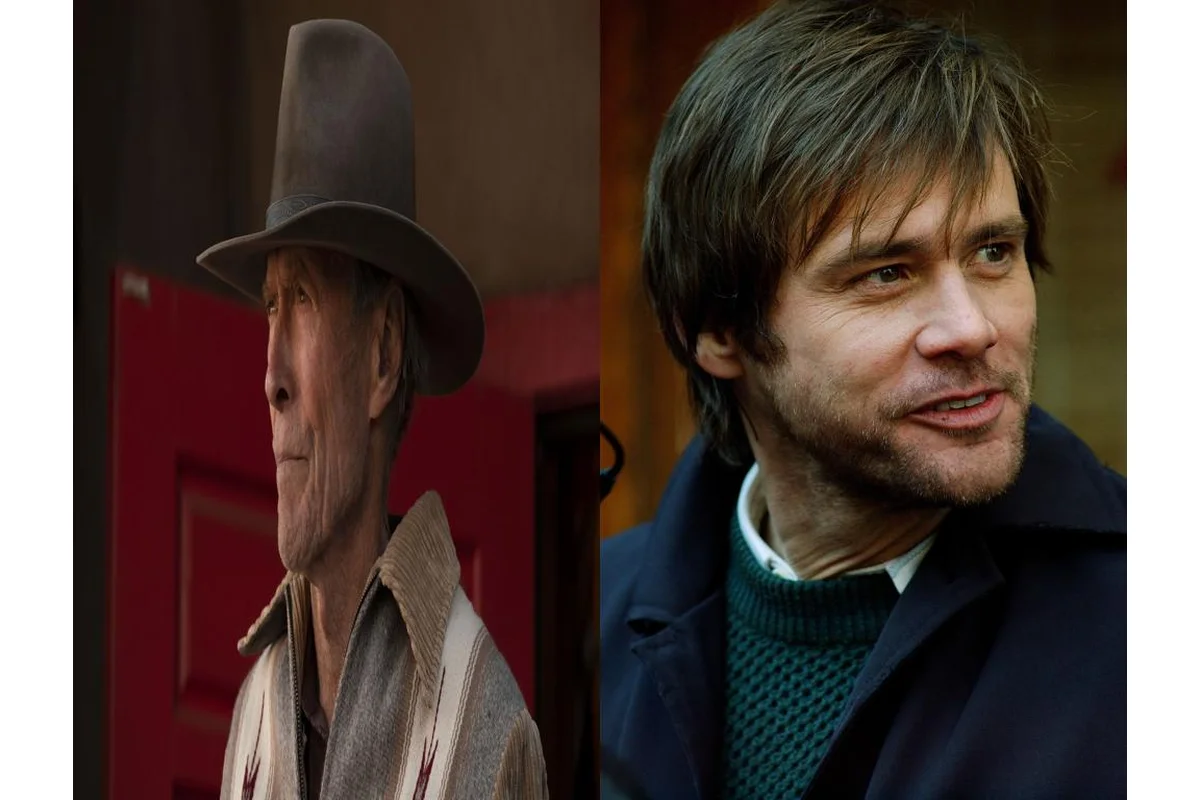
Clint Eastwood, known for his formidable presence in American cinema, made an unusual detour with the 1989 film Pink Cadillac, a blend of romance, comedy, and action that remains memorable largely due to the Jim Carrey Pink Cadillac cameo. Released amidst a summer full of blockbuster sequels, Pink Cadillac steered Eastwood away from his signature gritty roles, aiming instead for something much more peculiar and light-hearted.
Pink Cadillac stands apart from Eastwood’s intense dramas and Westerns, showing him as Tommy Nowak, a colorful master of disguise skip tracer. Alongside Broadway star Bernadette Peters as Lou Ann McGuinn, the narrative follows a wild chase involving a stolen car, counterfeit money, and a baby. Despite featuring regular collaborators like Geoffrey Lewis and Bill McKinney, and being helmed by Eastwood’s frequent director and stunt coordinator Buddy Van Horn, the film received Eastwood’s lowest critical reception to date with a 24% critics’ score on Rotten Tomatoes.
The Offbeat Story at the Heart of Pink Cadillac
Set against the backdrop of rural America, the plot revolves around Tommy Nowak, whose task is to track down Lou Ann McGuinn. Lou Ann is not only a bail jumper fleeing with her infant but also the wife of Roy, a member of a white supremacist group ominously named the Birthright. After Lou Ann takes off in Roy’s conspicuous pink Cadillac with stolen counterfeit cash, Nowak’s journey leads him through a series of elaborate disguises—ranging from a fake rodeo clown to a limo driver—as he closes in on her at a Reno, Nevada casino.
As the pursuit intensifies, the Birthright group discovers the whereabouts of Lou Ann’s sister, Dinah (played by Frances Fisher), and kidnaps her baby, raising the stakes for everyone involved. Adding further tension, the supposedly fake bills in the Cadillac’s trunk are revealed to be real, prompting a dangerous hunt by the supremacists to recover the money and silence Lou Ann. In the midst of this escalating threat, Nowak and Lou Ann must confront their adversaries and navigate their own growing romantic attraction, setting the stage for moments of both action and emotional conflict.
Eastwood Struggles With Comedy’s Demands
Attempting to tap into the charm of his earlier comedies like Every Which Way But Loose and Bronco Billy, Eastwood’s character in Pink Cadillac is pitched as tough but sensitive. Yet, the film asks him to take comic risks far afield from his usual style. The movie throws the legendary screen idol into exaggerated costumes and slapstick personas, recalling Eddie Murphy’s shape-shifting characters from the Beverly Hills Cop franchise. This marks a clear break from Eastwood’s typical gravitas, as he performs outlandish routines and bizarre phone conversations, departing from the stoicism that defines his screen legacy.
Despite the effort to blend romance, action, and humor, the experiment proves somewhat uneasy. Eastwood’s chemistry with Bernadette Peters, whose Lou Ann is open and emotionally expressive, struggles to find balance with his more restrained style. In scenes intended to deepen their bond, such as Peters’s heartfelt speech in a hotel room about her missing child, the emotional disconnect between the two leads is clear—Nowak responds by focusing solely on the impending danger rather than offering comfort, illustrating the challenges of merging their contrasting approaches.
Jim Carrey Delivers a Memorable Cameo Amidst the Chaos
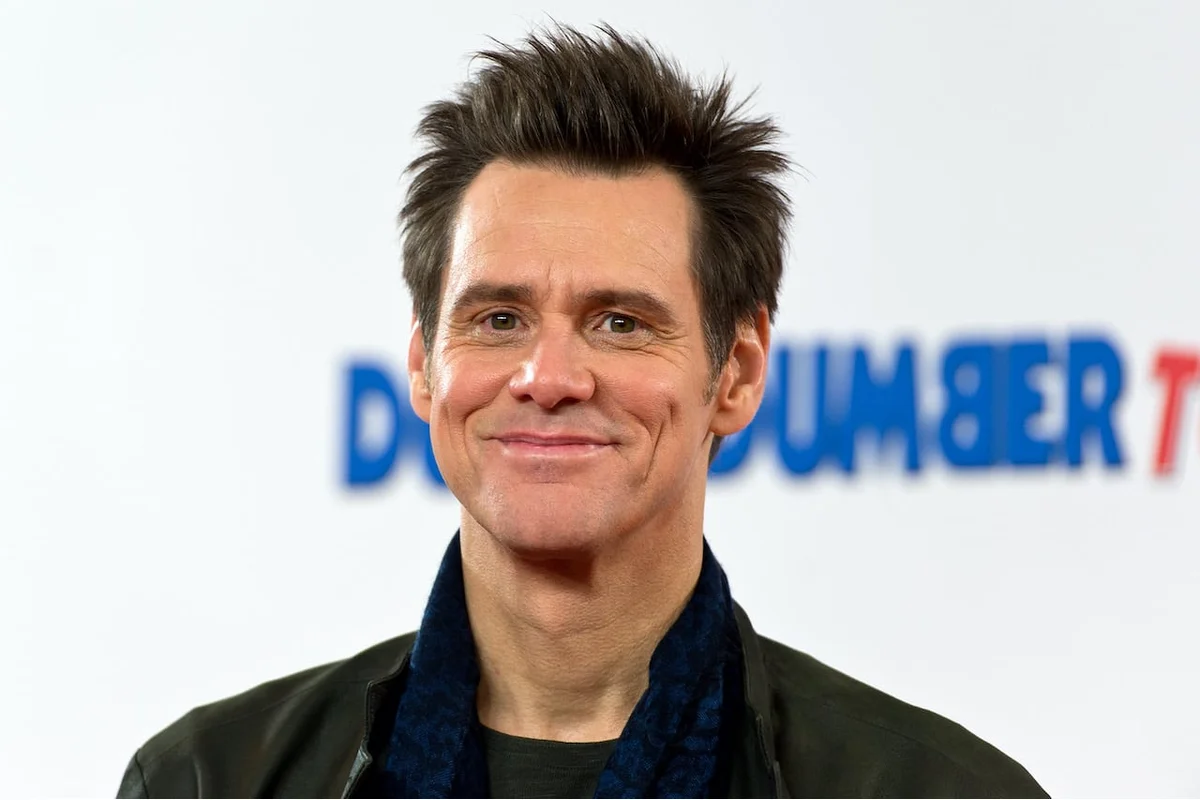
Though Pink Cadillac features early appearances from several future notables—including Frances Fisher, James Cromwell, and pop star Bryan Adams—it is Jim Carrey’s fleeting role that has become an enduring talking point for fans. In the midst of a Reno casino scene, Carrey appears as a lounge entertainer channeling Elvis Presley, energetically singing and gyrating while Eastwood’s and Peters’s characters converse in the background. This instance of the Jim Carrey Pink Cadillac cameo allowed him to showcase his comedic talents, foreshadowing the superstar career that would unfold for him in the 1990s.
Carrey’s moment in Pink Cadillac was not his first brush with Eastwood, having portrayed a doomed rock star a year earlier in The Dead Pool. Yet, this comedic showcase stands out for the freedom Carrey had to perform, indicating Eastwood’s willingness as producer to spotlight rising talent. The impact of Carrey’s cameo endures long after the film’s faded box office results, making it one of the reasons Pink Cadillac still gets discussed decades later.
The Film’s Reception and Its Place in Eastwood Lore
Despite its star-studded cast and an unconventional approach, Pink Cadillac did not earn critical acclaim. Its uneven tone, as well as the mismatched pairing of Eastwood’s reserved demeanor with Peters’s vivacity, were frequently cited as shortcomings. Performance highlights from supporting actors such as Timothy Carhart (playing Roy McGuinn) and Bill McKinney do offer bright spots, but it is Carrey’s cameo as an Elvis impersonator that remains one of the film’s most revisited scenes.
The film is noted as a rare instance where Eastwood allowed himself to appear visually and physically out of his element. While Pink Cadillac may have landed as an oddity rather than a triumph, it endures as a unique artifact within Eastwood’s otherwise stoic filmography—further buoyed by a brief but electric appearance from a young Jim Carrey.
Legacy of a Curiosity, and Where to Watch
Pink Cadillac may not have matched the prestige of Clint Eastwood’s greatest hits, but its blend of action, farce, and fleeting comedy gold by Carrey marks it as an intriguing outlier. With Eastwood stepping into comedic territory and Jim Carrey delivering a scene-stealing performance before his rise to fame, the movie continues to attract interest from cinema historians and fans alike.
For those curious to witness the now-famous cameo and see Eastwood at his most unconventional, Pink Cadillac is currently available to stream on Prime Video in the United States.
