
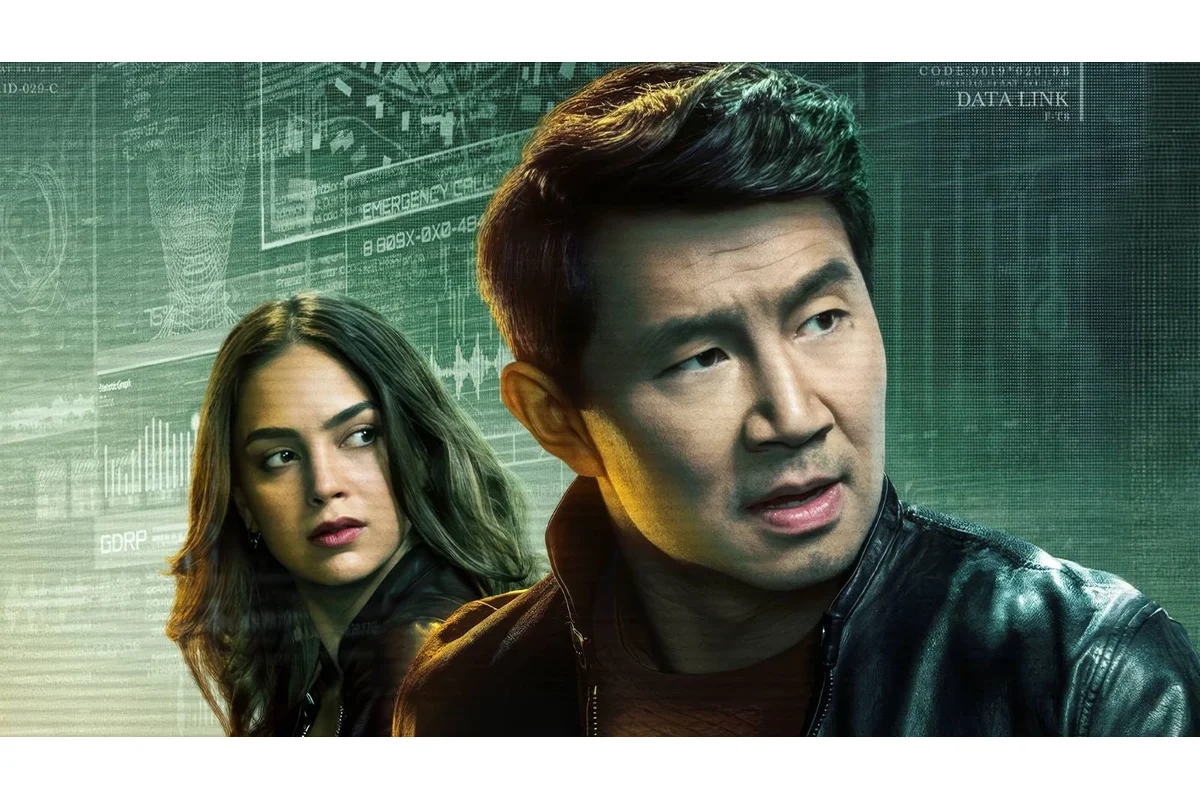
Simu Liu takes the lead in the new espionage series The Copenhagen Test on Peacock, but the show has failed to deliver a memorable experience since its December 27 debut. Despite the anticipation surrounding the Simu Liu espionage series, critical reception has been overwhelmingly negative, with critics describing the show as uninspired and unremarkable.
Liu stars as Alexander Hale, a Chinese–American analyst desperate to rejoin active duty after a career-altering mistake leaves him with lasting trauma. His character, designed to be complex and emotionally scarred, is central to the story—yet the narrative is hampered by convoluted plotting, standard genre tropes, and an underwhelming cast performance. Audiences and critics alike have voiced frustration at the series’ inability to stand out in a crowded field of spy dramas.
Plot Complications and Tired Genre Clichés Undermine the Series
Alexander Hale, formerly a special forces soldier, suffers from the aftereffects of a mission in which he chose to save a Belarusian child over an American citizen—an act that resulted in his removal from the field and has left him battling PTSD and panic attacks. Now relegated to headquarters at The Orphanage, a covert intelligence agency, he relies on pills from his ex-fiancée to manage his anxiety. However, it is soon revealed that Alexander’s moral dilemma was orchestrated as a test of loyalty, and only he was unaware of the manipulation.
Adding further complexity, Alexander is implanted with microscopic nanites that allow The Orphanage to monitor every aspect of his life. When enemy agents manage to hack into his neural interface, the plot intensifies: Alexander must carry on as if oblivious, follow his bosses’ increasingly dubious commands, and feign a romance with a bartender to lure out the perpetrator. These narrative twists aim to update the classic “watcher being watched” motif yet become mired in excessive exposition and lackluster suspense.
The creators, including Thomas Brandon and his writing team, attempt to develop intrigue by introducing multiple points of view and a host of stereotypical characters, but the relentless explanations and recycled genre elements result in a story that feels slow, repetitive, and devoid of genuine tension.
Stereotypical Characters and Uninspired Action Sequences
The series opens with a promising setup but quickly falls into familiar patterns. Audiences are presented with a succession of characters lacking depth or distinct qualities—villains who are simply evil, heroes who are only superficially righteous, and powerful figures manipulating events from the shadows of opulent mansions and exclusive restaurants. None of these archetypes offers a new or engaging perspective for viewers weary of the formulaic approaches often seen in spy fiction.
Sinclair Daniel, as Parker, serves as Alexander’s watcher within the agency. Though her internal moral struggles offer a fleeting glimpse of complexity, Parker ultimately becomes just another predictable character in the ensemble. Her conflicted loyalties and visible compassion for Alexander fail to develop into a deeper narrative or emotional arc, leaving audiences with little to invest in.
This lack of inspiration is evident in the show’s action sequences. Despite Simu Liu’s martial arts background and competent movement during fight scenes, every confrontation—from brawls to gunfights—lacks originality and intensity. The choreography remains uninspired, rarely elevating tension or excitement for the audience. Instead, the action merely occupies screen time without heightening the stakes or providing memorable moments.
Ensemble Cast Efforts Stifled by Weak Material
Although heavily marketed as a star vehicle for Simu Liu, the Simu Liu espionage series ultimately squanders its talented cast. Melissa Barrera, playing Michelle, the enigmatic love interest, routinely steals scenes from Liu by giving an emotionally layered and dynamic performance, yet her efforts are undermined by the show’s unfocused writing. Barrera’s portrayal stands out,
“capturing the duality of her character with deceptive charm and merciless matter-of-fact efficiency”
—a testament to her skill but a reminder that the series itself is unworthy of her abilities.
Brian d’Arcy James fills the role of Alexander’s demanding supervisor, executing his scenes adequately despite being constrained by stereotypes. Mark O’Brien, Sinclair Daniel, and Adina Porter each portray recognizable types found in nearly every spy drama, their professional experience overshadowed by a script that offers little room for character development or nuance. Kathleen Chalfant gives her all as The Orphanage’s formidable ruler, channeling authority and mystique, but ultimately, the writing diminishes her efforts.
With so many experienced actors in supporting roles, the expectation might have been for standout performances to shine through, but the ensemble is given insufficient material to elevate the narrative. Each actor’s presence feels wasted, transforming a potentially dynamic group of characters into forgettable placeholders within the story’s mechanical framework.
Viewers Left Disappointed by a Predictable, Derivative Series
From the outset, The Copenhagen Test struggles to distinguish itself, delivering a slow-moving, uninspired, and ultimately forgettable entry in the espionage genre. The attempts at suspense, layered plotlines, and emotional depth collapse under the weight of formulaic storytelling. Even fans of popcorn entertainment may find little to engage with beyond the most basic tropes and surface-level intrigue, as plots unwind without genuine surprises or investment.
The show’s debut on Peacock has made it available to a wide audience, yet the lack of buzz and sparse promotion suggest little confidence from the network itself. Instead, The Copenhagen Test is likely to be remembered as a minor detour in Simu Liu’s career, one that fails to capture the complexity or excitement that modern viewers expect from high-profile television espionage. As critics and fans look forward, there remains hope that the next Simu Liu espionage series will learn from these shortfalls, offering something truly new and captivating for audiences seeking the thrills of the genre.
