
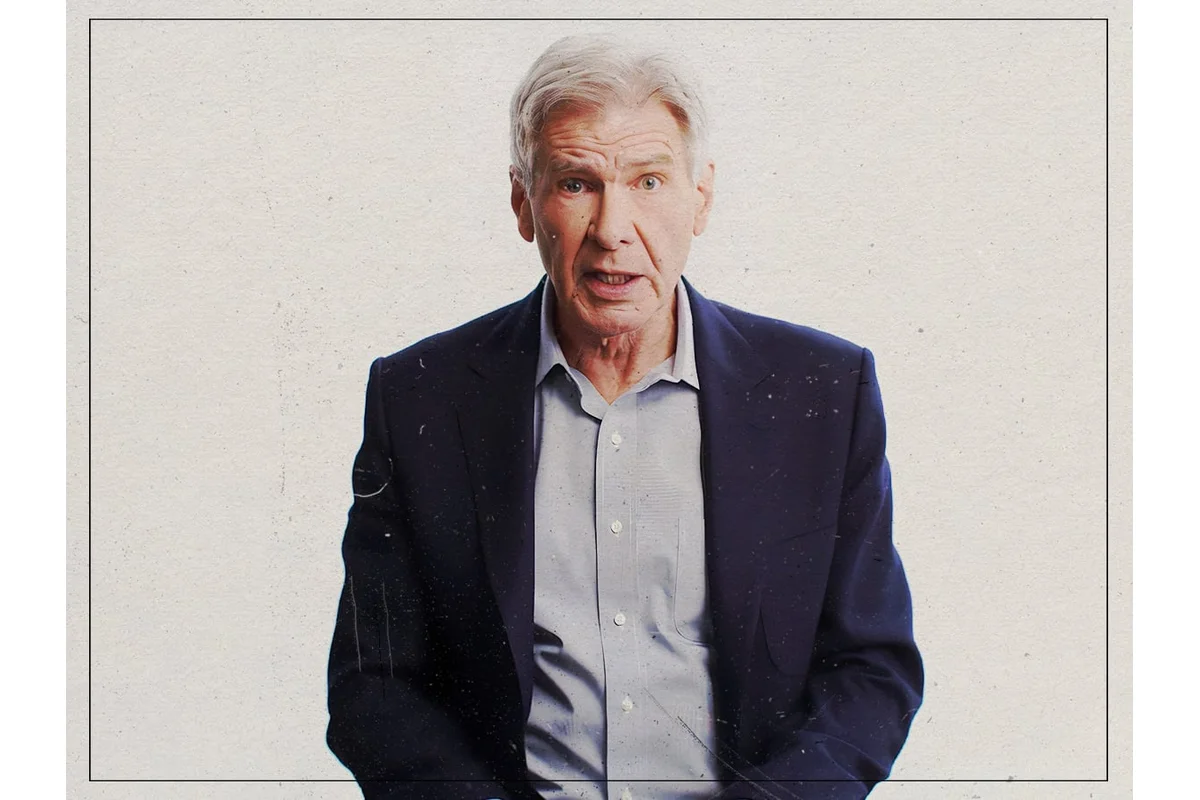
In a striking example of how Harrison Ford influences movie releases, Hollywood witnessed a rare behind-the-scenes intervention when Ford’s actions led to Titanic’s release date moving in 1997. While Ford wasn’t part of the film’s cast, his concern over scheduling prompted studio executives to adjust the launch calendar for several major movies.
Ford’s Reluctance to Work Outside Acting Occasionally Changed Industry Dynamics
Harrison Ford is well-known for preferring to stay in front of the cameras, rarely getting involved in producing or directing. His selective approach to his craft has been established over five decades, with only occasional executive producer credits for films such as K-19: The Widowmaker and Extraordinary Measures. Staying away from the spotlight off-set, Ford’s legendary filmography includes classic roles like Indiana Jones and major blockbusters from the Star Wars universe.
Unlike some of his peers who diversify their presence in Hollywood, Ford focuses firmly on acting — reading scripts, performing, and then stepping away. This minimalist attitude toward fame and creative control sets him apart, yet it also means that when he does step in behind the scenes, the results can be significant.
1997: Competing Releases Threaten Box Office Clashes
The summer of 1997 saw a high-stakes showdown looming: Ford’s action film Air Force One, James Cameron’s Titanic, and the Mel Gibson-led Conspiracy Theory, directed by Richard Donner, all aimed to release on July 25. With Titanic carrying a record-setting $200 million price tag and massive anticipation, and Warner Bros and Paramount preparing their own tentpoles, the risk of splitting audiences among the three was high.
Ford’s Direct Call Pressures Studios and Alters Release Plans
Having starred in major successes for Paramount and its parent company, Viacom Entertainment Group, Ford held considerable sway with executives. Concerned about the simultaneous release, Ford reached out directly to Jonathan Dolgen, Viacom’s leader. He also had his manager, Patricia McQueeney, communicate the unrest surrounding the crowded schedule.
“He didn’t make any threats. He was not huffing and puffing. It was a friendly phone call. But Harrison did say, ‘Jonathan, what the hell are you guys doing?’ We’re very concerned about the whole situation.”
— Patricia McQueeney, Ford’s manager
The same concerns were raised with Warner Bros regarding Conspiracy Theory. McQueeney explained,
“it’s bad business to open two movies on the same date, much less three of them.”
— Patricia McQueeney, Ford’s manager
The atmosphere was tense as Ford leveraged his position, and less than two weeks later, both rival films had revised their scheduled releases. Titanic moved from July to December, effectively dodging the box office battle. Conspiracy Theory shifted to August.
The Result: A Shift That Benefited All — Especially Titanic
With their releases staggered instead of clustered, each film claimed the box office’s top spot on its debut. Air Force One secured first place upon opening and held that for two weeks until Conspiracy Theory’s arrival in August. By relocating to December, Titanic avoided competition and went on to surpass all records, bringing in earnings that dwarfed those of both Air Force One and Conspiracy Theory combined.
This episode illustrates the clout a major Hollywood figure like Harrison Ford can wield even when not directly involved in a film’s production. Paramount, Warner Bros, and the creators behind Titanic and Conspiracy Theory all shifted tactics, leading to successful runs for each title and defining a moment when Ford’s decisive action quietly reshaped the cinematic calendar.
As studios continually strategize release dates to gain an edge, Ford’s intervention in 1997 stands as an example of how star power can recalibrate high-stakes industry decisions, affecting not just one premiere but the fate of blockbuster seasons — with Harrison Ford’s influence extending well beyond his on-screen roles.

