
Val Kilmer’s portrayal of Doc Holliday in the 1993 film Tombstone reshaped the image of Clint Eastwood Western antiheroes, drawing attention for its humor, depth, and departure from established genre norms. The film, though not widely celebrated at its initial release, has since achieved classic status and is now praised for offering viewers a unique interpretation of Wild West antiheroism.
The Evolution of the Western Antihero Prior to Tombstone
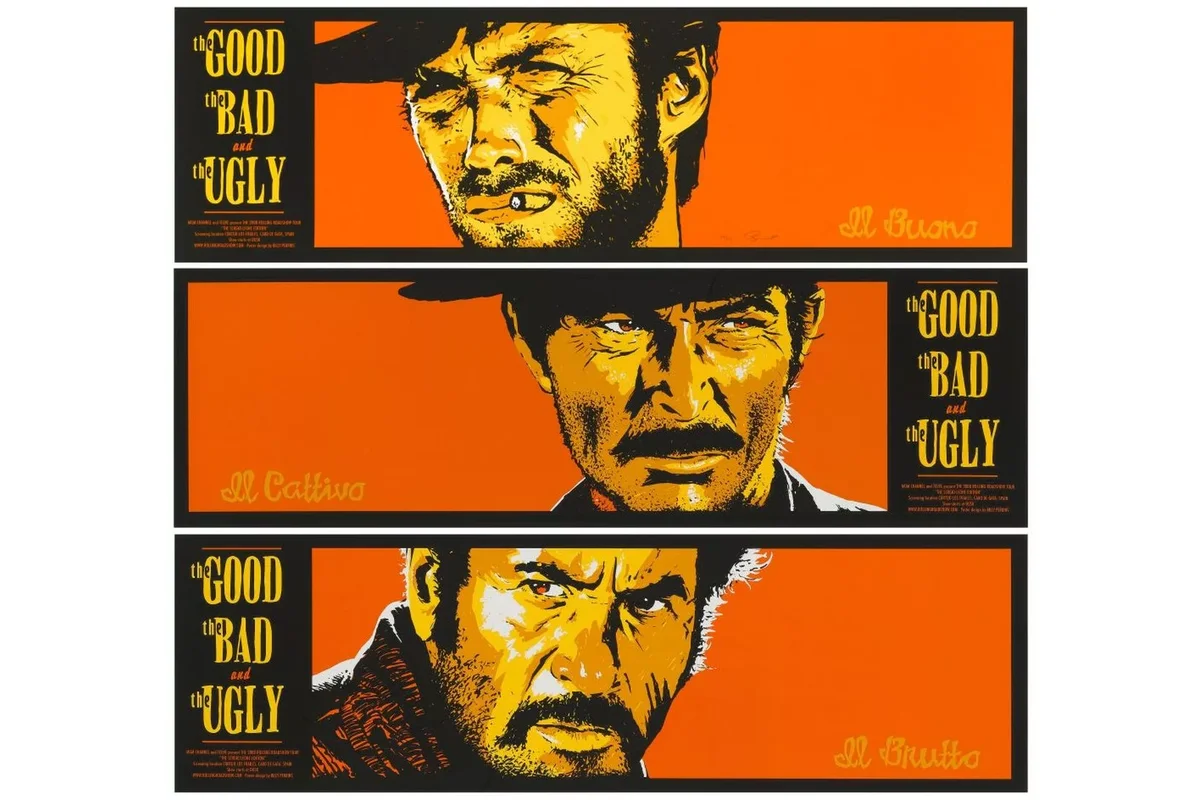
Over the decades, the Western genre has cultivated a specific brand of antihero, particularly through iconic actors like John Wayne and Clint Eastwood. Wayne’s filmography contributed complex protagonists in titles such as The Searchers, The Ringo Kid, and Red River, often portraying characters with a strong moral backbone but a willingness to operate outside rigid codes of law. Eastwood, meanwhile, set the gold standard with characters such as the Man with No Name, Josey Wales in The Outlaw Josey Wales, and the Stranger in High Plains Drifter. His roles epitomized the stoic, no-nonsense figure who responded to threats either with a knockout blow or a chilling warning, never shying away from confrontations and maintaining a detached, intimidating presence.
Within these classic portrayals, certain patterns remained familiar to fans: Western antiheroes were men of action, often quick to escalate conflict, rarely showing vulnerability or humor in the midst of high tension. Although Wayne and Eastwood’s sensibilities differed, their performances set the template for what viewers expected from the genre’s leading men—pillars of strength, intimidation, and independence.
Doc Holliday’s Distinctive Approach to Confrontation and Character
In Tombstone, Val Kilmer’s Doc Holliday challenged these long-held genre conventions, capturing audience attention through his first memorable encounter with Michael Biehn’s Johnny Ringo. When Ringo puts on a show of gun-spinning bravado, a traditional Western antihero played by Wayne or Eastwood might have met the display with a challenge, a physical reprimand, or dismissive threat. Holliday, however, chooses a different path—he mocks Ringo by recreating the trick with his cup, transforming a threatening moment into one marked by laughter throughout the room.
This unexpected response highlights how Tombstone reimagined the Western antihero: rather than meet provocation with violence or intimidation, Doc Holliday uses wit and self-awareness. His action defuses the tension and sidesteps the violence so often anticipated from classic Western figures.
The Role of Humor and Self-Awareness in Kilmer’s Performance
Doc Holliday stands apart not only in how he confronts rivals but through his adoption of traits not typically associated with the genre: humor, comic timing, and the ability not to take himself too seriously. While Eastwood and Wayne’s antiheroes might deliver the occasional dry remark, Holliday’s approach is lighter, more self-deprecating, and even playful in tense situations. These characteristics are on display in the aforementioned scene, making Kilmer’s take especially memorable.
Despite this humor, Holliday does not lose his aura of danger or his antihero status—he merely expresses these qualities in an unorthodox manner, blurring the line between intimidation and absurdity. His encounter with Ringo is not a sign of cowardice or retreat; rather, it shows a preference for cleverness and psychological gamesmanship over straightforward aggression. Such a combination is rare, both in the Western genre and in cinematic portrayals of antiheroes more broadly.
None of this diminishes the underlying sense of tension, however. Holliday’s playful antics are balanced by a quiet underlying menace—a reminder that beneath the laughter, he remains a formidable and unpredictable figure. Kilmer’s ability to blend flamboyance, humor, and intimidation gives Doc Holliday a unique place among Western antiheroes and expands the possibilities for how such characters might be portrayed in the future.
The Cast and Character Dynamics in Tombstone
Tombstone also benefits from a strong supporting cast, with Kurt Russell as Wyatt Earp, providing the steely lawman counterpart to Kilmer’s unpredictable Doc Holliday. Their partnership anchors the film’s exploration of morality, brotherhood, and loyalty in an era defined by shifting alliances and personal codes of honor.
Michael Biehn’s Johnny Ringo stands as a chief antagonist, bringing his own sense of danger and rivalry, while classic Western tropes like gunslinger duels and tense showdowns are reinterpreted through Kilmer’s innovative performance. This blend of tradition and novelty helps the film remain engaging for both longtime fans of the genre and newcomers discovering it on modern streaming platforms.
The Broader Impact of Kilmer’s Doc Holliday on Westerns
Val Kilmer’s Doc Holliday has become a touchstone for rethinking what an antihero can be in a Western setting, proving that these figures do not have to conform to a single set of mannerisms or attitudes. By introducing elements of humor, theatricality, and nontraditional conflict resolution, Tombstone broadened the scope of character possibilities in Westerns, influencing both audience expectations and future filmmaking within the genre.
With its renewed appreciation as a classic, Tombstone continues to draw interest for how it redefines typical Western heroics. Kilmer’s performance stands as evidence that Clint Eastwood Western antiheroes can be reshaped—not by abandoning their core qualities, but by expanding their emotional and behavioral range. This evolution signals ongoing relevance for the Western genre, as it adapts to new eras and new interpretations of heroism, morality, and identity on the American frontier.
