
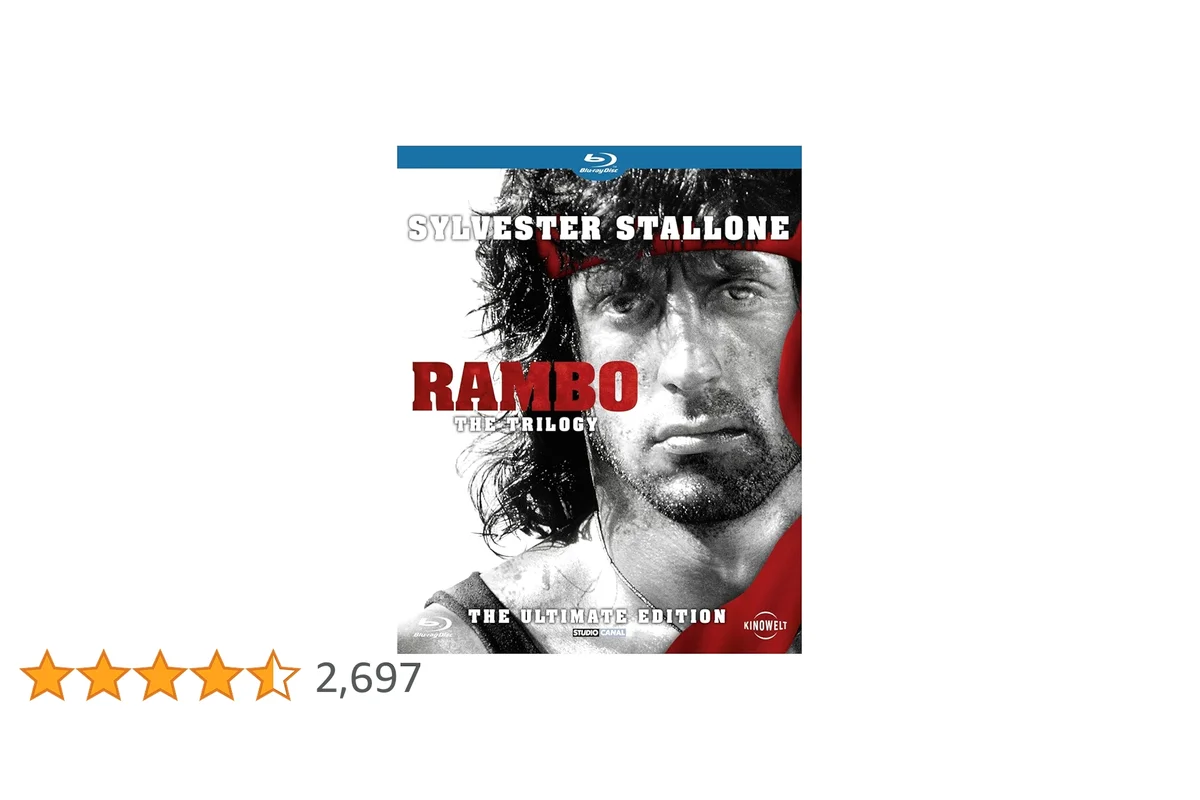
In the landscape of action cinema, the Sylvester Stallone Rambo rewrite stands as a pivotal moment that reshaped both the character of John Rambo and the film industry’s approach to action heroes. The transformation began in the early 1980s, a time when James Cameron, later acclaimed for directing Titanic and Avatar, was still an emerging filmmaker focused on screenwriting. While Cameron authored a script for Rambo: First Blood Part II in 1984, it was Sylvester Stallone’s insistence on critical changes that redefined the movie’s legacy and set the foundation for an enduring franchise.
Before Stallone’s creative input, John Rambo’s fate was destined to be far darker. David Morrell’s original novel depicted Rambo dying at the hands of Colonel Trautman. Screenwriters Michael Kozoll and William Sacheim’s adaptation maintained this bleak ending. But Stallone, already celebrated for his Rocky series, firmly opposed this conclusion. The star, determined to send a different message, locked horns with director Ted Kotcheff, leading to significant tension on set and even legal action. Ultimately, Stallone’s vision prevailed, and Rambo survived.
Stallone’s Disagreement Changed Rambo’s Legacy
Sylvester Stallone’s stance on John Rambo’s fate altered not just the outcome of the first film, but the entire direction of the series. The death of Rambo would have ended any possibility of a franchise. Instead, the unexpected commercial success of 1982’s First Blood, which earned $47 million domestically from a $15 million budget, propelled Stallone further into stardom and opened the door to sequels. The franchise expanded, most notably with Rambo: First Blood Part II in 1985, which became the third highest-grossing film of that year with $150 million in domestic box office receipts.
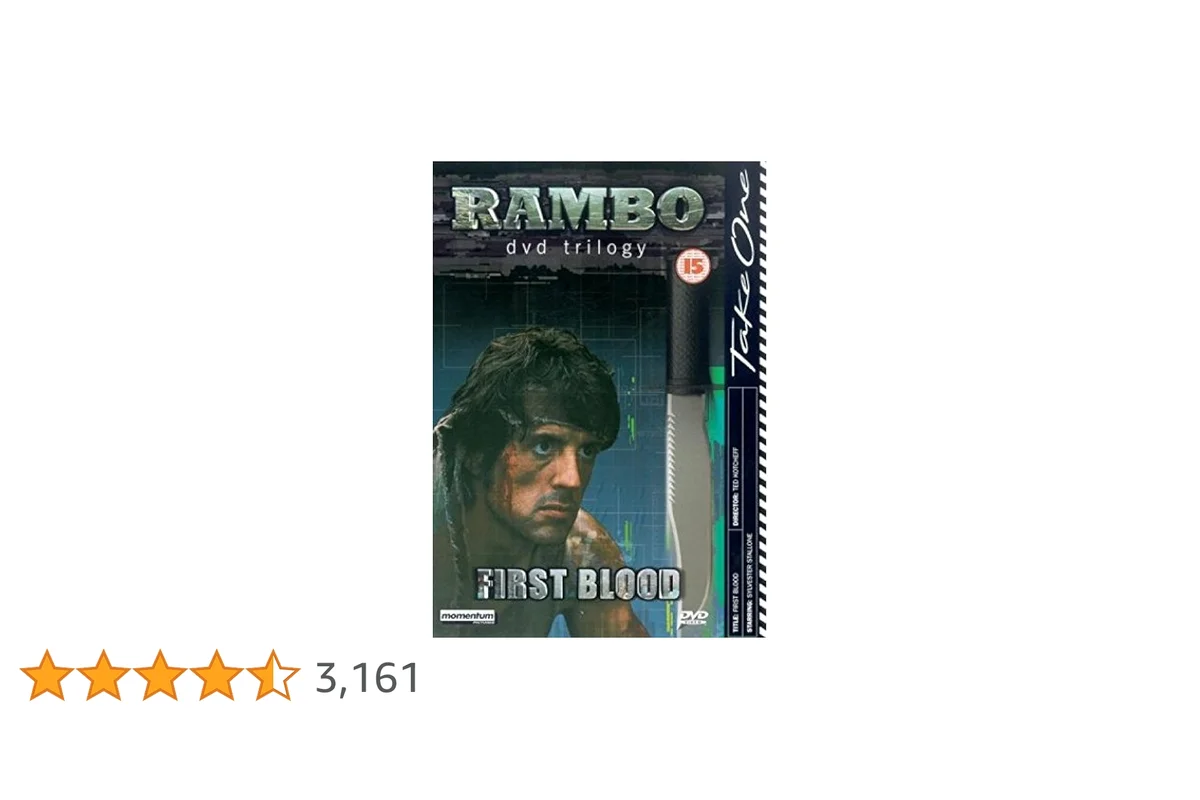
The story might have been different had John Travolta joined as Rambo’s sidekick, a possibility considered during pre-production. Instead, the sequel marked the return of Stallone and Richard Crenna, with George P. Cosmatos stepping in as director. And while the first script belonged to James Cameron, the production company Carolco recognized the commercial potential and surrendered to further changes driven by Stallone’s star power.
James Cameron’s Uncredited Influence and the Rewrite’s Impact
James Cameron approached Rambo: First Blood Part II as a unique opportunity, despite seeing it as a paid writing assignment rather than a passion project. Cameron reflected on his limited influence, explaining,
I always have to distance myself from it because it’s not the film I wrote – it was substantially rewritten by Sylvester Stallone.
—James Cameron, Screenwriter
Cameron’s original screenplay leaned heavily on themes of psychological trauma and moral complexity. He described his version as,
The script that I wrote was pretty violent, but not in such an amoral way. I wasn’t really vocal about it at the time and, actually, it’s even dumber for me to be vocal about it now, because I’m doing these movies with Carolco. I’m not going to turn around and bite the hand that feeds me.
—James Cameron, Screenwriter
In shaping the sequel, Stallone made immediate and dramatic alterations. The action star reportedly had only one major suggestion after meeting Cameron for lunch:
He said, ‘I think you should put a girl in it.’
—James Cameron, Screenwriter
The Character of Rambo Was Radically Altered
The Sylvester Stallone Rambo rewrite did more than alter plot points—it shifted the core portrayal of John Rambo. In the 1982 First Blood, Rambo is depicted as a reluctant warrior, haunted by his experiences in Vietnam, and seeking only peace. Notably, the original film does not show him taking any lives. In contrast, the sequel transformed the character into a relentless combat figure, symbolized by the iconic image of him wielding a rocket launcher. The rewrite discarded Cameron’s vision of exploring Rambo’s time in a veteran’s psychiatric hospital and a deep dive into his emotional struggles. Instead, the narrative became a high-paced rescue and survival story, set in a prison labor camp, focusing on straightforward action and Rambo’s heroics.
Another casualty of the rewrite was the removal of nuanced, backstory-driven portrayals of the prisoners of war Rambo rescues. Cameron’s initial draft aimed to give these characters more depth, making their predicament resonate with the audience. The simplified approach, favoring Rambo’s central journey, established the franchise’s template of solitary heroism against overwhelming odds.
Cameron’s Unused Ideas Shaped His Later Success
Despite frustrations with the alterations to his screenplay, Cameron later acknowledged that some of the elements he created for Rambo found new life in his own films. He explained,
I used a bit of it in Aliens, having them come back from something they were traumatized by. There was a bit of that delayed stress syndrome stuff in Aliens they didn’t use in Rambo II.
—James Cameron, Screenwriter
He would go on to repurpose themes of trauma, resilience, and team dynamics in Aliens, which is widely regarded as one of the most intelligently crafted action movies in cinema history. By contrast, Rambo: First Blood Part II, though massively popular, is more often cited for its impact on ’80s action movie conventions than its storytelling depth.
Rambo’s Success Led to Extended Franchise and Influenced Hollywood
The legacy of the Sylvester Stallone Rambo rewrite is visible in the lasting influence of the character and franchise. From its inception in the early 1980s, the series has expanded to five films, with a sixth installment, featuring Noah Centineo in the lead role, announced for 2025. Stallone’s rewrites not only solidified his status as one of Hollywood’s defining action stars but reshaped the archetype of the action hero throughout the decade, imbuing it with physical dominance and a relentless will to survive.
The cast of Rambo: First Blood Part II included Stallone as John J. Rambo, Richard Crenna returning as Col. Samuel Trautman, Charles Napier portraying Marshall Murdock, and Steven Berkoff as Lt. Col. Podovsky. Each contributed to the film’s enduring status as a staple of action cinema.
Carolco, the production company, benefited from the film’s commercial reach, thanks in large part to the adjustments made by Stallone. James Cameron, while distancing himself from the final product, left an indelible mark through the themes and structures he later perfected in films like The Terminator and Aliens. As for David Morrell, Ted Kotcheff, and others associated with the original, their work remains foundational, though it is Stallone’s rewritten version that defined the Rambo legacy for generations of moviegoers worldwide.
The impact of this pivotal rewrite extends beyond the Rambo franchise. It influenced filmmakers, inspired other screenwriters, and contributed to the evolution of the action genre in Hollywood. Today, Rambo: First Blood Part II is available for streaming, a testament to its cultural staying power and the unpredictable consequences that creative conflicts can have on movie history.
