
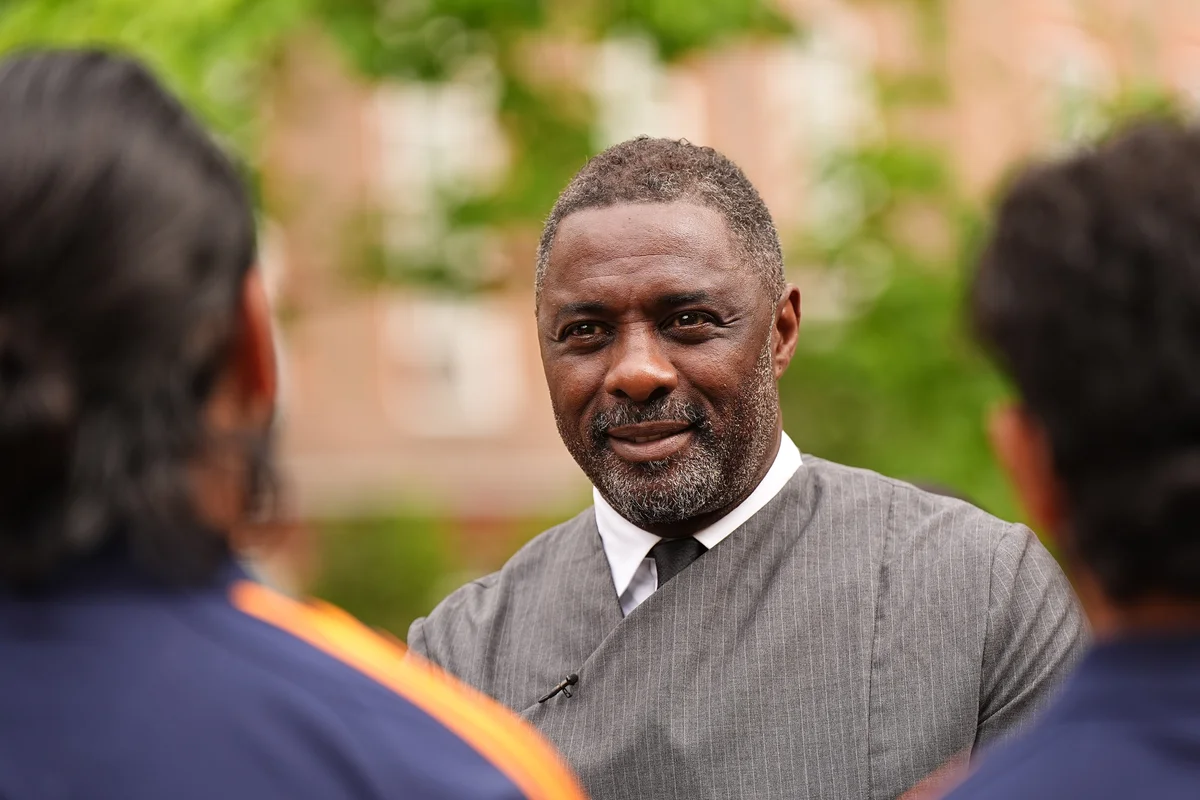
Global actor and director Idris Elba is driving a new wave of leadership in Africa‘s creative sector, using his experience across film, philanthropy, and policy to advocate for greater opportunities and development. As Elba transitions from a lauded on-screen career to focus on directing and youth mentorship, his journey and initiatives highlight the vital intersection of art, education, and structural change, placing Idris Elba creative sector leadership at the forefront of industry conversations.
A Shift from Acting to Directing and Advocacy
Idris Elba, recognized worldwide for his acclaimed performance in the US television series The Wire after launching his career in the United Kingdom, has expanded his contributions to the entertainment industry by stepping behind the camera. Following his directorial debut with the crime thriller Yardie, filmed between Jamaica and London in 2018, Elba has since filmed the short movie Dust to Dreams in Nigeria and is working on another project in Ghana. His current projects mark a significant pivot in his professional trajectory, moving away from acting towards directing and promoting creative growth in Africa.
Once rumored as a possible successor to the James Bond role, Elba now envisions a future grounded in filmmaking, humanitarian work, and transformative mentorship. Speaking at the Red Sea International Film Festival in Jeddah, Saudi Arabia, Elba remarked,
“I’m paying it forward,”
—Idris Elba, Actor/Director—illustrating his commitment to supporting emerging talent.
The King’s Trust: Early Support and Giving Back
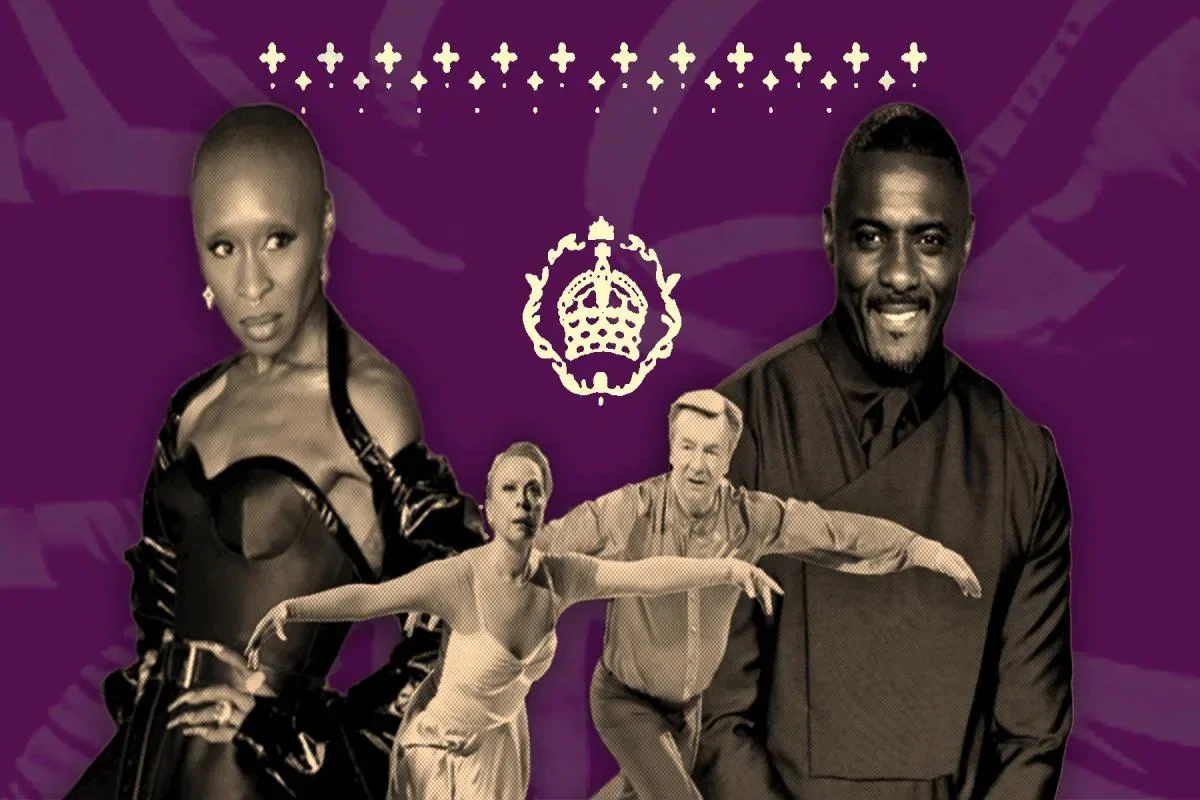
Elba’s rise to international fame was shaped, in part, by his connection to The King’s Trust (formerly the Prince’s Trust) founded by King Charles. As a teenager, he sought the organization’s help while auditioning for the National Youth Theatre, after learning that travel costs for a global production were beyond his means. Recalling the impact, Elba explained,
“The Trust gave me an opportunity via a cheque and some resources. I was 14 or 15 years old when I auditioned to get into the National Youth Theatre program,”
—Idris Elba, Actor/Director—crediting the support for enabling his pursuit of acting alongside odd jobs at Ford Dagenham and elsewhere.
Now, the Elba Hope Foundation and The King’s Trust have announced a collaborative mentoring initiative in 2024, designed to nurture hundreds of young creatives through DJing, theatre, visual arts, event production, and entrepreneurship programs. Elba is also set to document these efforts and the organization’s 50th anniversary in an upcoming Netflix feature, further cementing his commitment to giving back.
Reflections on Personal Struggle and Turning Points
Drawing on his own challenging entry into the US entertainment scene, Elba openly recalls the adversity he faced before landing his landmark role on HBO’s The Wire. He shared,
“I had a really bad stint. I was with my partner at the time, and we weren’t getting on. It was a tough time, and I just had to go back to basics,”
—Idris Elba, Actor/Director—and described the hardships of that period:
“I was living with the culture. I was living in the hood. I was DJing. I was working as a doorman. I was just surviving. And I was surviving with people from New Jersey, where I lived, and a community in Brooklyn and the Bronx,”
—Idris Elba, Actor/Director.
At the time, his daughter Isan was soon to be born, adding urgency to his circumstances.
“My daughter at the time had just been conceived, and it was this really rough time,”
—Idris Elba, Actor/Director—he remembered, reinforcing how personal need and community resilience steered his journey. Elba described approaching his Wire audition without pretense:
“I walked in there just like my character, just like my community, and they had no clue, and I didn’t realise that I was doing a good accent. I just was being who I was,”
—Idris Elba, Actor/Director.
He attributed his breakthrough not to imitation, but authenticity:
“That was the single change that happened to me. It was less about pretending to be American, but just being who I was at the time that got me the job.”
—Idris Elba, Actor/Director.
Expanding Creative Influence Across Borders
Continuing his directing work, Elba is currently filming an adaptation of Neil LaBute’s play This is How it Goes in Ghana. He is producing a new version distinct from his earlier London West End performance two decades ago, this time for Apple TV, featuring Charlie Cox of Daredevil and Wunmi Mosaku from Sinners, with Elba himself in a starring role. The adaptation relocates the narrative from America’s Midwest to Ghana, creating complex new cultural and racial dynamics. As he explained,
“And of course, the Midwest is very different from England in terms of racial dynamics, so transposing it was a lot of fun to do, but it was also very difficult to make it happen in an authentic way,”
—Idris Elba, Actor/Director.
Through these transcontinental collaborations and creative risks, Elba seeks not only to craft engaging stories, but to influence how African tales are told and who gets to tell them.
Championing Creative Sector Policy and Industry Growth
Elba continues to argue for systemic infrastructure to support Africa’s arts sector. He points to the explosive growth of industries like music and fashion, advocating for major improvements in government policies and industry practices. Elba draws direct inspiration from the global expansion of South Korea’s film industry, stating,
“The Korean film industry has been a shining example of how a culture – whose language we might not know – has grown without being diluted. That’s why it’s important that we try and tell these stories, why we have film festivals and dialogues and communities that actually push the agenda,”
—Idris Elba, Actor/Director.
He also highlights persistent challenges for African creatives, especially in countries like Nigeria, where he views copyright, licensing, financing, and tax incentives as lagging behind international standards. This focus has led Elba to collaborate with governments, ministers, and information secretaries, working to shape artist-friendly regulations and encourage further development.
His vision is ambitious—building studios, creating educational institutions linked to production spaces, and cultivating a new workforce for Africa’s creative sector.
Education as the Catalyst for Industry Advancement
Central to Elba’s strategy is an emphasis on educational opportunities for creative youth. He notes that understanding finance, policy, and the logistics behind arts production is essential for sustainable growth. As he puts it,
“And education plays a massive part with the growth of the industry. A lot of people think about the creative arts as singing and dancing or acting. But there’s a higher infrastructure behind it that young people can be educated on in bridging the policy side to the performance side,”
—Idris Elba, Actor/Director—making clear that a new generation must be equipped to lead both on and off stage.
Charting the Path Forward for Africa’s Creatives
Elba’s story, from early struggles in London and New Jersey to global stardom and creative advocacy, inspires a movement for creative sector leadership across Africa. By leveraging personal experience, investing in youth, and working with leaders including King Charles and organizations like The King’s Trust, Elba is driving practical change in an industry undergoing rapid transformation. His efforts signal heightened momentum for infrastructure, policy shifts, education, and global recognition of African stories, ensuring that his commitment to Idris Elba creative sector leadership will have lasting reverberations across the continent and beyond.

