
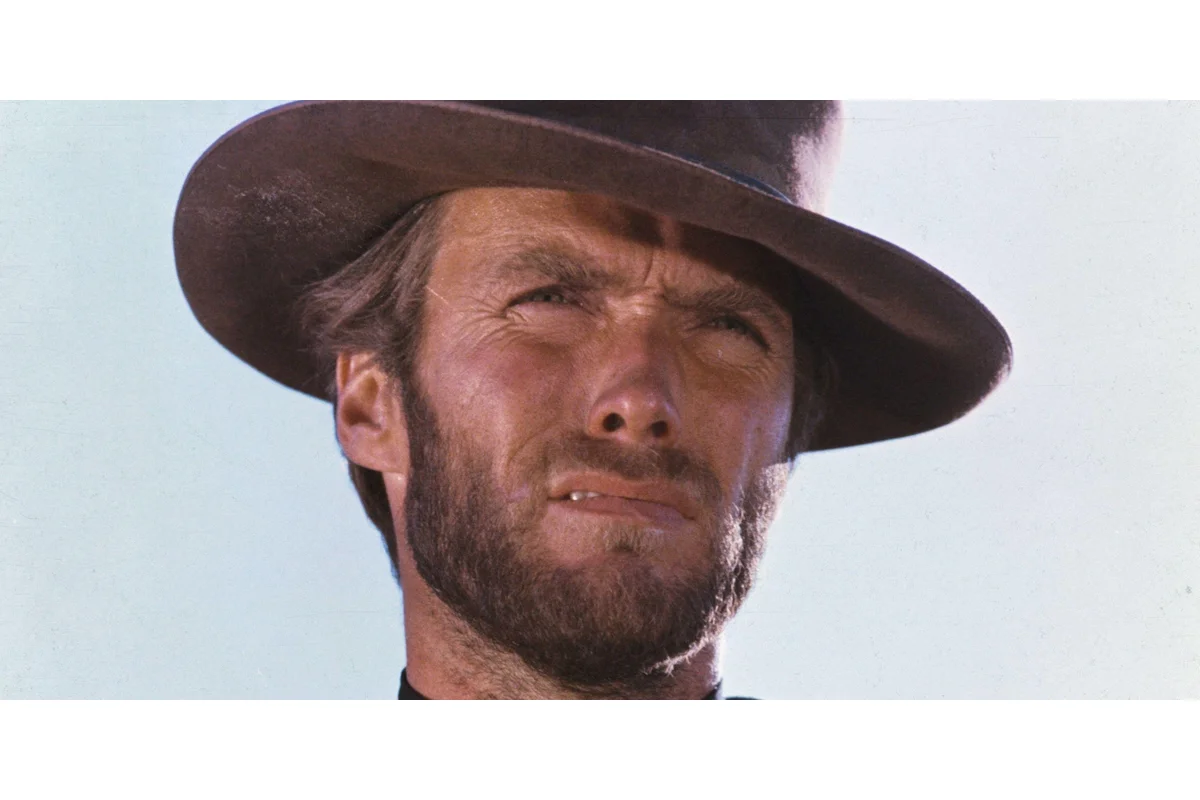
Clint Eastwood, already recognized as Rowdy Yates on CBS’s “Rawhide” between 1959 and 1965, found himself facing limitations despite his aspirations to direct on the show. The series, known for its depiction of cattle herd journeys across the American frontier, was the platform where Eastwood, before his later reputation as an influential film director and star of Westerns, first tried to pursue directing. However, the much-anticipated Clint Eastwood Rawhide directing opportunity failed to materialize, even though he starred in all eight seasons and watched his popularity soar.
Despite his leading presence on “Rawhide,” Eastwood never directed any of its 217 episodes. His creative ambitions were present even early in his television career. He eventually became a celebrated filmmaker with acclaimed movies behind and in front of the camera, but while working on “Rawhide,” executives did not enable him to take the directorial leap. Eastwood’s interest in shooting scenes was evident according to his own recollections.
“We were shooting a stampede on location, three thousand head of cattle, and I was riding right in the middle of it, dust flying, really dramatic looking,”
Eastwood, Actor-turned-Director
He described bringing his idea to the director during filming, striving to make a stronger visual impact.
“I went to the director and said, ‘Look, give me a camera. There’s some great stuff in there that you’re not getting because you’re way out here on the periphery.'”
Eastwood, Actor-turned-Director
Yet, his request was denied, as production union policies prevented him from taking up a camera on set. Eastwood noted the reluctance to innovate:
“As usual, everybody’s afraid to try something new,”
Eastwood, Actor-turned-Director
Still, his persistence led CBS to allow him to direct a handful of “Rawhide” promotional trailers, though the enthusiasm he had felt on set was missing. The network’s caution and subsequent decisions deprived him of the chance to make his directorial mark on the series itself.

“I was so disappointed with the whole damn thing that I let it drop,”
Eastwood, Actor-turned-Director
Though he gained minor creative satisfaction, the experience was ultimately unfulfilling, dimming his hopes of directing for a period.
Network Decisions Prevent Eastwood’s Directorial Debut
CBS’s attitude toward actors doubling as directors turned out to be a critical roadblock. According to Eastwood, the terms of his contract even included provisions allowing him to direct several “Rawhide” episodes. But trouble with other series, where actor-directors allegedly exceeded budget constraints, prompted CBS to revise its policies abruptly.
“My contract with CBS even provided that I would direct several episodes of the series,”
Eastwood, Actor-turned-Director
“But after they had some trouble on other series where some actor-directors went over their budgets, CBS changed policies from one day to the next.”
Eastwood, Actor-turned-Director
As a result, despite fulfilling his part by directing the promotional trailers, Eastwood never received an opportunity to direct a full televised episode. At the time, industry leaders such as CBS were reluctant to trust actors with additional creative control for fear of budget overruns and inflated egos, a stance starkly different from the norm observed in later decades. Views on actor-directors would shift dramatically, but for Eastwood, this transformation came just a bit too late for his involvement with “Rawhide.”
Support from Colleagues Amid Disappointment
Although network executives and some producers hesitated, not everyone around Eastwood doubted his potential. Eastwood recalled that Eric Fleming, his co-star and “Rawhide’s” lead, supported his directorial ambitions.
“Finally, later on, I asked Eric Fleming, ‘Would you be adverse to my directing?’ He said, ‘Not at all, I’d be for it.'”
Eric Fleming, Actor
This encouragement, combined with their years of working as Gil Favor and Rowdy Yates, likely deepened Eastwood’s drive for a creative role behind the scenes. Despite this, the show’s producers chose not to allow Eastwood to direct an episode, granting him only limited projects like promotional trailers before putting a stop to his directorial ambitions.
In the wake of CBS’s changing policies and lack of support, Eastwood’s interest in directing receded for a time. His creative ambitions reignited, however, when he traveled to Europe to take on the lead in “A Fistful of Dollars” under Italian filmmaker Sergio Leone—a pivotal experience that shaped his later career.
“Working on the European scene sort of inspired me to get back into directing,”
Eastwood, Actor-turned-Director
During the production, Eastwood played a significant role in crafting the character known as the Man With No Name, further emphasizing his inclination toward directing and creative decision-making. Sergio Leone’s guidance and the freedom found on European sets stood in stark contrast to Eastwood’s earlier treatment by American television producers.
Missed Opportunities and the Spark for a Prolific Career
After leaving “Rawhide” and starring in the Dollars Trilogy, Clint Eastwood ascended rapidly in the Western genre universe. His initial directorial project arrived in 1971 with “Play Misty For Me,” and he would eventually helm important films like “High Plains Drifter,” “Dirty Harry,” and “The Outlaw Josey Wales.” Over more than four decades, Eastwood directed upwards of forty movies, consistently demonstrating his creative authority and aptitude well into the 21st century. Remarkably, it all might have begun sooner had CBS permitted Eastwood’s directing ambition to take root during his formative television years.
Ironically, what seemed like a missed opportunity may have offered Eastwood the patience and perspective needed to thrive later on. His dual roles as actor and director became a hallmark of his innovative approach to cinema. The barred Clint Eastwood Rawhide directing opportunity thus intensified his motivations, pushing him toward an international breakthrough that might not have occurred had he not faced resistance and setbacks from the television industry.
“Rawhide” is now recognized as the launching pad for Eastwood’s extraordinary creative legacy, despite CBS’s decision not to grant him full creative authority at the time. Those early promotional trailers, although a consolation, guided his determination to pursue storytelling beyond acting, ultimately laying the groundwork for his extensive work in film direction.
Clint Eastwood’s story on “Rawhide” resonates with modern questions about creative control and the evolution of industry attitudes toward multi-hyphenate artists. While the television network’s resistance denied viewers the chance to see Eastwood’s directorial vision on “Rawhide,” it also helped forge the trajectory that turned him into the filmmaking powerhouse we know today, bridging the world of Western television and cinematic history through persistent ambition and creative adaptability.
