
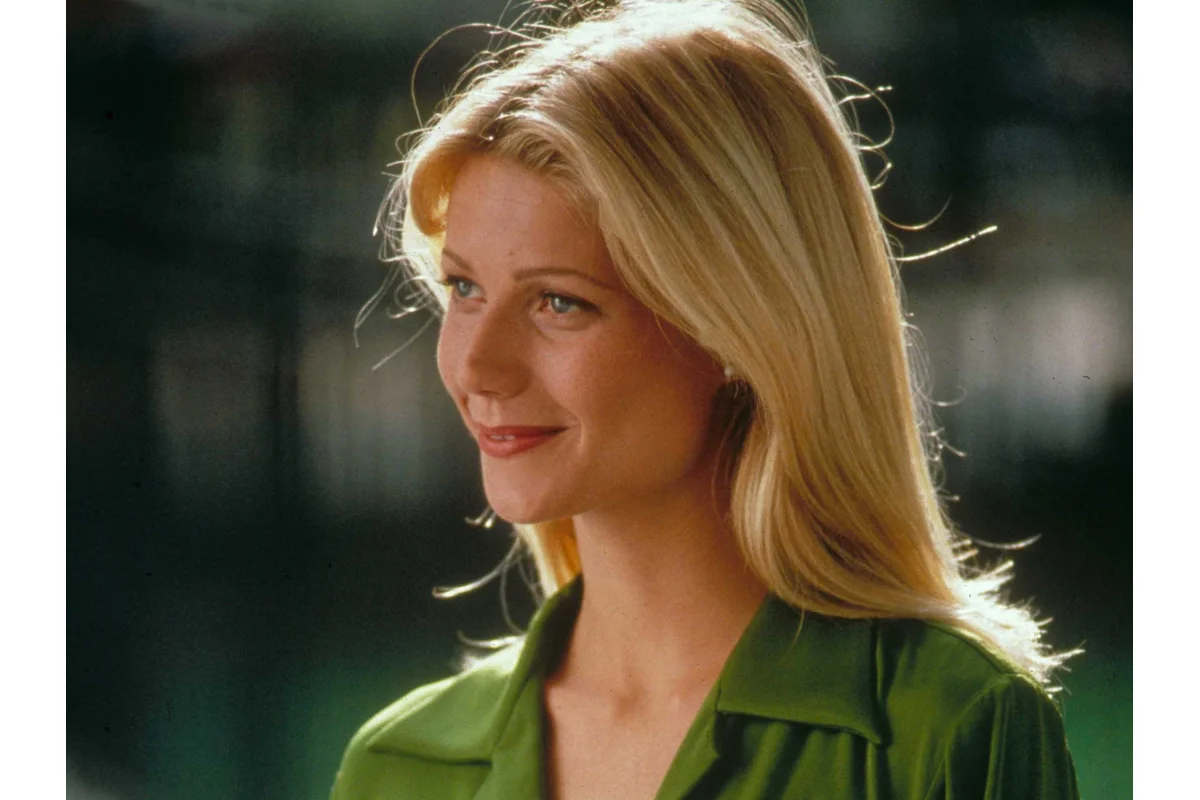
In a recent career retrospective, Gwyneth Paltrow discussed the unique working environment and tensions during the filming of “The Royal Tenenbaums,” shedding new light on her experience with the cast and director Wes Anderson. With her insights, Paltrow revealed a more nuanced perspective on what transpired between key actors, particularly Gene Hackman, during the making of this acclaimed film, offering fans rare insight into the iconic project. Gwyneth Paltrow Royal Tenenbaums experiences have captivated fans and film enthusiasts alike.
Wes Anderson’s Distinctive Vision and Early Success
Before “The Royal Tenenbaums” became a celebrated highlight in Wes Anderson’s filmography, the director had already garnered attention for movies like “Bottle Rocket” and “Rushmore.” However, it was the 2001 release of “The Royal Tenenbaums” that firmly established Anderson’s eccentric approach and visual style with the broader public and critics. The ensemble cast, which featured Gwyneth Paltrow as Margot Tenenbaum and Gene Hackman as the family patriarch, found themselves working on a film where the boundaries between comedy and drama were intentionally blurred, a hallmark of Anderson’s direction.
Stories have circulated over the years regarding Gene Hackman’s infamous challenges with Anderson. While Hackman portrayed Royal Tenenbaum, a deeply flawed father seeking reconnection with his grown children, reports suggested he was sometimes difficult on set. Despite this, Paltrow recently emphasized that there were deeper layers to the reputed tensions.
Gwyneth Paltrow Shares Her Creative Process for Margot Tenenbaum
During her SAG-AFTRA Foundation conversation, Gwyneth Paltrow delved into what made her role as Margot Tenenbaum so personally significant. She described how immersing herself in Margot’s mysterious character allowed her to lose herself in the role in a way that was distinct from her previous work. According to Paltrow, embodying Margot brought a sense of creative transformation and escape.
“And in the ‘Royal Tenenbaums,’ I think it’s the only movie where I kind of don’t totally see myself. It’s like, I don’t know why, but of course it’s me. But like, there’s just something where I am like, she’s so mysterious. Like what? And so I think it’s sort of a pleasure to watch because I can’t even totally feel myself in it, if that makes sense.”
– Gwyneth Paltrow, Actress
The actress also spoke candidly about the atmosphere on set, where having a decisive director like Wes Anderson offered both challenges and creative freedom for the actors.
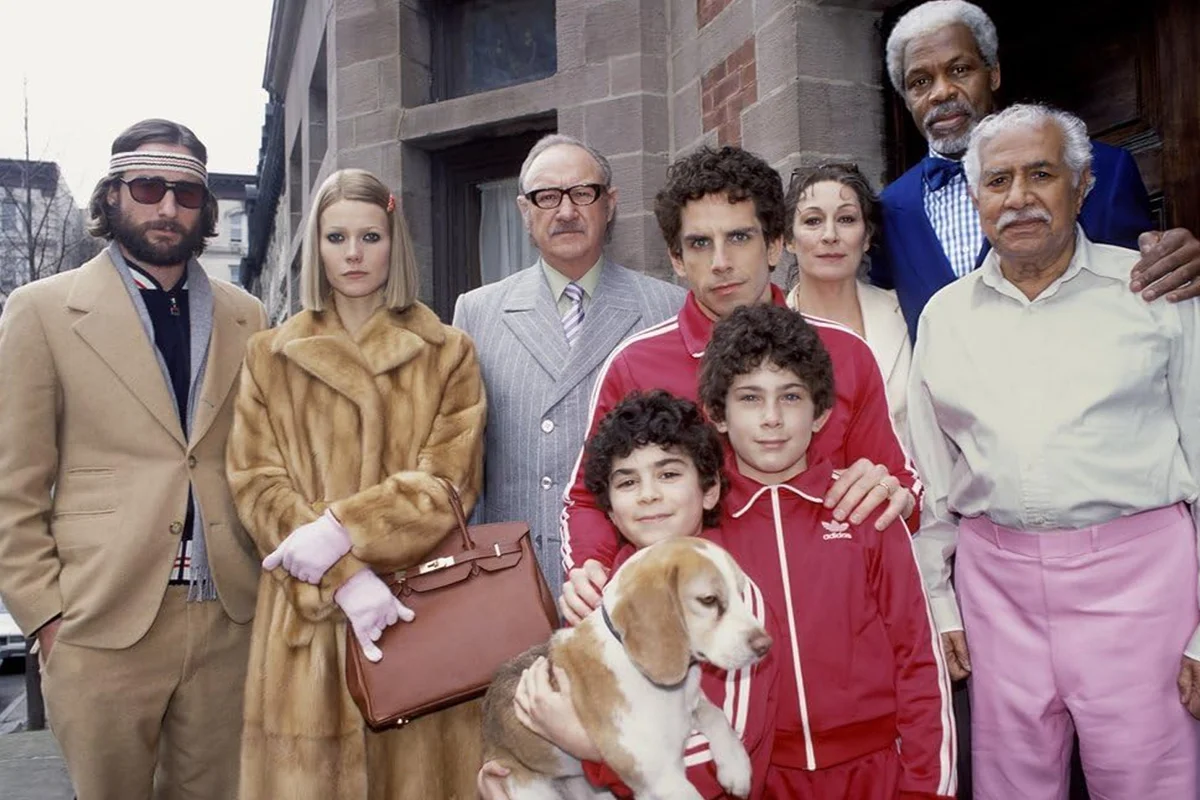
“I mean, Wes knew exactly what he wanted… Sometimes you do a film, and they’re like, ‘Oh, do you want to wear the gray pants? Or, do you want to wear a dress?’ And you’re like, oh, well, have you seen this designer? This could be cool. No. Wes is like, you will be wearing a Fendi mink coat, a Lacoste tennis dress, and penny loafers. And I was like, great. And he knew exactly the hair color he wanted, the barrette, and the eye makeup, and everything. Like, and so that’s also, there’s sort of, his is going to sound weird, but there’s also like in a case like that, there’s sort of freedom and the lack of collaboration because you can just totally relax on that front and feel like Wes is composing this whole thing. And I just need to like be exactly what he needs me to be. I found it to be really deeply fun and unconventional. That’s not the normal thing.”
– Gwyneth Paltrow, Actress
Tensions Between Anderson’s Style and Hackman’s Approach
The filming process for “The Royal Tenenbaums” was marked by a creative atmosphere that didn’t always resonate with every member of the cast. While many appreciated Anderson’s meticulous vision, Gene Hackman was reportedly frustrated by the director’s methods and the film’s distinctive tone. Paltrow suggested that Hackman struggled to adapt to the approach, which sometimes led to tension during production. She explained that Anderson’s unique style created an environment where the actors played eccentric characters, all under the composer’s strict vision, which could be alienating for performers less familiar with such a process.
“I try to sort of never feel the camera, but you feel very much that you’re in… It’s like…I feel that way about that movie, too; he was really finding and solidifying his style. It’s like the first one, which is fully Wes Anderson. And you could really feel that he had gotten a real grasp on that. And that tonally, it was coming through tonally. And Gene Hackman had no idea what Wes was going for. So, it was like there was a weird dissonance, where I think we all kind of understood it, and he didn’t. That led to interesting dynamics with Gene, but it was as if you knew that something really prescriptive and unique was happening, like, from Wes.”
– Gwyneth Paltrow, Actress
Mutual Respect Endures Despite On-Set Strains
Although reports of Hackman’s dissatisfaction and gruffness are well-documented, Paltrow made it clear during her retrospective that she genuinely enjoyed her working relationship with the Oscar-winning actor. She acknowledged the difficulties he had with Anderson’s methods but underscored her admiration for Hackman’s talent and generosity. For Paltrow, the film stood as a testament to both the challenges and rewards of collaborating with such a dynamic cast and director.
“Oh, my God. He’s so good. Yeah. I mean, I adored working with him. He was, I know he was, like, a little scary as far as, like, Wes was concerned, [and] he wasn’t always happy on the set, so it’s important to call a spade a spade. But with me, he was incredibly wonderful and generous.”
– Gwyneth Paltrow, Actress
Directorial Reflections on Creative Tension
Wes Anderson himself has spoken out about the creative differences and challenges he experienced with Hackman during the making of the film. In a conversation with The Sunday Times, Anderson explained that Hackman eventually expressed appreciation for the finished film, acknowledging the disconnect during production. Anderson reflected on his regret over not involving Hackman more deeply in the process, such as by sharing more of the footage to help the actor grasp the unique style being crafted.
“He told me he didn’t understand it when we were shooting. I wish I’d shown him 10 minutes early on. Then, maybe, he would have said, ‘OK, I get it.’”
– Wes Anderson, Director
Impact of The Royal Tenenbaums and Its Enduring Legacy
“The Royal Tenenbaums” became a landmark film for Wes Anderson, solidifying his reputation as a master of quirky narratives and stylized visuals. The on-set dynamics between cast members like Gwyneth Paltrow, Gene Hackman, and Bill Murray ultimately contributed to the unique energy and tone that has made the film a cult classic. Despite moments of confusion and friction, those involved ended up delivering memorable performances that resonate with audiences decades later.
As Paltrow continues to reflect on her work in film, both her candor about the creative process and her praise for her co-stars offer a rare glimpse into what it takes to produce a film that leaves a lasting mark on audiences and critics. With directors like Anderson and actors such as Hackman and Paltrow, the set of “The Royal Tenenbaums” became a crucible for groundbreaking cinema, blending talent, vision, and, sometimes, a measure of on-set tension that fueled its artistry.
Looking forward, Paltrow’s stories remind fans and future filmmakers that the interplay between different personalities, approaches, and creative visions often gives rise to the most memorable moments in movie history. The film’s continued popularity ensures its place in pop culture, thanks in large part to the honesty and dedication of its cast and crew.
